PARLIAMENT HILL—Canadians could soon have another retirement savings option, though it may not be quite the guarantee offered by the Canada Pension Plan (CPP).
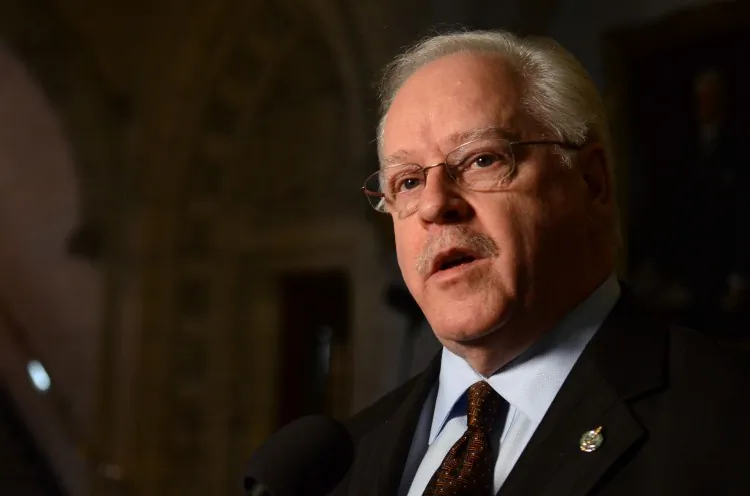
Ted Menzies, Minister of State (Finance), on Thursday announced new legislation to create Pooled Registered Pension Plans (PRPP). The voluntary plans, which are targeted at small and medium-sized businesses, will need provincial approval but don’t face the same legislative hurdles as revising the CPP.
Opposition parties described the move as a step in the right direction but not a fundamental solution to the savings shortfall facing future retirees.
New Option
“Today marks a major milestone in our efforts to ensure the ongoing strength of Canada’s retirement income system by providing a pension option for the many workers,” Menzies said on Canadian Multicultural Radio, where he made the announcement.
The new plans offer smaller employers a relatively inexpensive way to administer a pension option for employees, but the plans will be offered by private sector financial institutions.
“If you invest in a PRPP you will benefit from lower investment management costs associated with the large scale of these funds,” said Menzies. “Essentially, you will be buying in bulk. This will leave you with more cash in your pocket when you retire.”
Criticisms
NDP pensions critic Wayne Marston said the plans don’t address the fundamental problem of Canadians not saving for retirement.
Canadians have other voluntary saving options now, but are electing not to save, noted Marston
“In thirty years, they are going to hit a wall,” he said.
“Nobody is saying they should not have done this,” Marston said of the new plans, but added that they are a secondary option rather than a solution.
He said that fact is underscored by retirement savings that disappeared from RRSPs and other investments in the global economic downturn. While the CPP is a defined-benefit pension plan, PRPPs will be defined-contribution plans, and will pay out based on market outcomes, unlike the guaranteed payments offered by the CPP.
Marston is concerned that the financial institutions offering the plans will have high fees that will erode some of the benefit to savers. He said a better option would have been a modest increase to the CPP spread over seven years.
But changes to the CPP require support from seven provinces representing two-thirds of the population. Flaherty had voiced support for CPP reform but with Alberta previously opposed and Quebec withholding support, Flaherty fell short of what he needed and abandoned reforms in favour of introducing PRPP.
Marston said a recent election in Alberta makes it worth going back and checking what their stance is now.
Liberal finance critic Scott Brison said raising the CPP is not a good option with the current economic fragility. He said a better option would be to allow optional voluntary contributions to CPP.
Provincial enabling legislation will need to be introduced for the framework to become fully operational.
Industry Minister Christian Paradis said the government is confident provinces will put needed regulations in place for the private plans.
A draft of tax rules for PRPPs will soon be released for public comment, said the government.
 Friends Read Free
Copy
Facebook
Tweet
Friends Read Free
Copy
Facebook
Tweet