Through a beautiful online magazine and informative blog, Martin and Fisher show today’s bride how to plan her fairytale wedding, without compromising style and by incorporating green elements from the dress to the cake along the way.
In just under one year since the launch of the first issue, Martin, who is editor-in-chief, and Fisher, the style editor, are becoming experts on green weddings, with followers growing every day around the world.
Owner of Elegance and Simplicity, a wedding and events firm based in Washington D.C., Martin had been doing green weddings and floral design for years. With a scarcity of information on the topic, she was prompted to write a book on eco-beautiful weddings to help brides understand that having a green wedding is not just about wearing a vintage dress and having vegan food.
“We wanted to show people that you can have a really stylish wedding, just like all the other weddings,” says Martin.
Martin notes there are all sort of decisions made throughout the wedding planning process that can be made green, either dark green or light green, as she calls it. “At least you’re making some decisions to make your wedding greener,” says Martin. “It makes a huge difference.”
Martin followed her publicist’s advice and launched a magazine as a platform for her book, and so the Eco-Beautiful Weddings magazine was born.
“It was kind of a big undertaking, [and] I wasn’t really sure what I was getting into,” says Martin, who has been surprised by the overwhelmingly warm response the free online magazine and blog have received throughout the world.
The magazine certainly achieves the intended goal; it delivers by providing both elegant and informative content with a ton of inspiring ideas and spectacular photography to boot.
Martin says catering is one area with big potential for reducing the ecological footprint. For instance, instead of having filet mignon at the wedding—a highly energy-inefficient meat—by just switching to chicken, you’re saving a lot of carbon emissions. She also suggests getting in touch with a caterer that is green restaurant certified, and likely to get its products from a local source.
While catering and travel are areas where many people are already looking to reduce waste, according to Martin, everything from the cake to the dress can be made green while still being stylish. “There are different levels you can go to in each and everything you do for your wedding,” she notes.
The magazine helps to break away from the misconceptions that green weddings need to be very minimalistic and that you have to sacrifice many things, especially style.
Gorgeous Gowns, Green
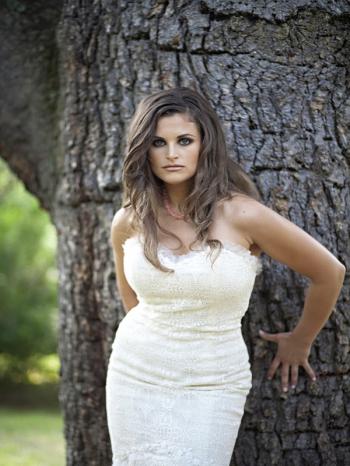
Dresses made locally by indie designers using beautiful silks, organic cotton, or other materials are some ways of keeping the dress green. There are also many perks as well, such as working directly with the designer, getting a better quality dress with more breathable fabric, and supporting local designers.
Fisher says the beauty of the dress is not compromised at all, and you can have all the latest trends. She says it’s all about finding the right vendor. “We want to become a resource for brides,” she says.
Once you start with the dress and see what a difference you’re making, everything begins to fall into place, notes Martin.
To some, it might be unimaginable just how big of a carbon footprint a simple wedding dress can have. Martin says there are many things that people don’t realize when it comes to high-end couture fashion designers. While their headquarters may be in North America, they are buying the fabric from other countries, shipping it here, designing the dress, and then sending the fabric back to be manufactured. Many jobs are not kept here, and some dresses are traveling 60 days across the water just one way.
“There’s a whole different thing that goes on when it comes to social awareness with these dresses,” says Martin.
The magazine offers alternatives, featuring a variety of well-known couture designers who keep their production local. “We just bring a lot of style to it, and as people find out about it, people share it, [saying] ‘wow, I didn’t know eco could look so good,’” says Fisher. She notes that brides even might be getting a better quality dress when it’s manufactured domestically.
Having traveled the world to numerous manufacturing factories overseas, she knows the difference between domestic and overseas production, saying that when it comes to offshore manufacturing, quality is often sacrificed.
 Friends Read Free
Copy
Facebook
Tweet
Friends Read Free
Copy
Facebook
Tweet