Submitted by Mimi Lee, who heads the HongKongers Action Group
The initial cancellation of the six Shen Yun performances at the Four Seasons Centre in Toronto at the end of March due to hoax bomb threats linked to Beijng was not an isolated incident. The shows have since been rescheduled in June thanks to the efforts of organizers. But the initial disruption was the second disruption of a cultural event connected to the Chinese communist regime’s sensitivities in Toronto within a month.
Just two weeks earlier, on March 14, Unpublished Media and the Torontonian HongKongers Action Group jointly hosted a screening of the Japanese documentary “Love Supreme: Dialogue with Xi Jinping” at Innis Town Hall at the University of Toronto. The film tracks Chinese leader Xi Jinping’s rise and the crimes he committed along the way to becoming leader, and examines how the Chinese Communist Party’s fear‑based authoritarian system shapes personal lives and suppresses the very essence of love in a strictly atheist state.
In the lead‑up to the screening at the University of Toronto, and even during it, the organizers encountered a series of pressures and attempts to interfere with the screening from multiple directions.
First, the screening was removed from the Innis Hall events webpage without explanation. Soon after, we received a legal letter from a U.S. lawyer claiming that our promotional materials did not reflect the film’s actual content. We disclosed the letter to the university immediately. This was followed by a series of administrative decisions: we were told we could not use our own licensed security provider and would be required to use university security; we were informed that unspecified “complaints” had prompted a requirement for additional security measures; and three days before the screening, we were asked to pay an additional $2,000 security fee on short notice.
The day before the screening, we were informed that the event had been unlisted again because it did not “reflect the University’s purpose, mission and values — including our commitment to freedom of expression and open dialogue.” This was surprising, given that the film itself advocates for freedom of expression in contexts where it is severely restricted. We learned that a block of approximately 70 tickets was purchased at once, limiting access for others.
Then, during the screening, two individuals attempted to disrupt the event. Despite the enhanced security arrangements the organizers had been required to pay for, the protesters managed to slip past security. A member of the university’s security team later told us they believed the individuals were paid protesters. Regardless of the accuracy of that belief, the lack of timely intervention raised concerns about the effectiveness of the new security measures.
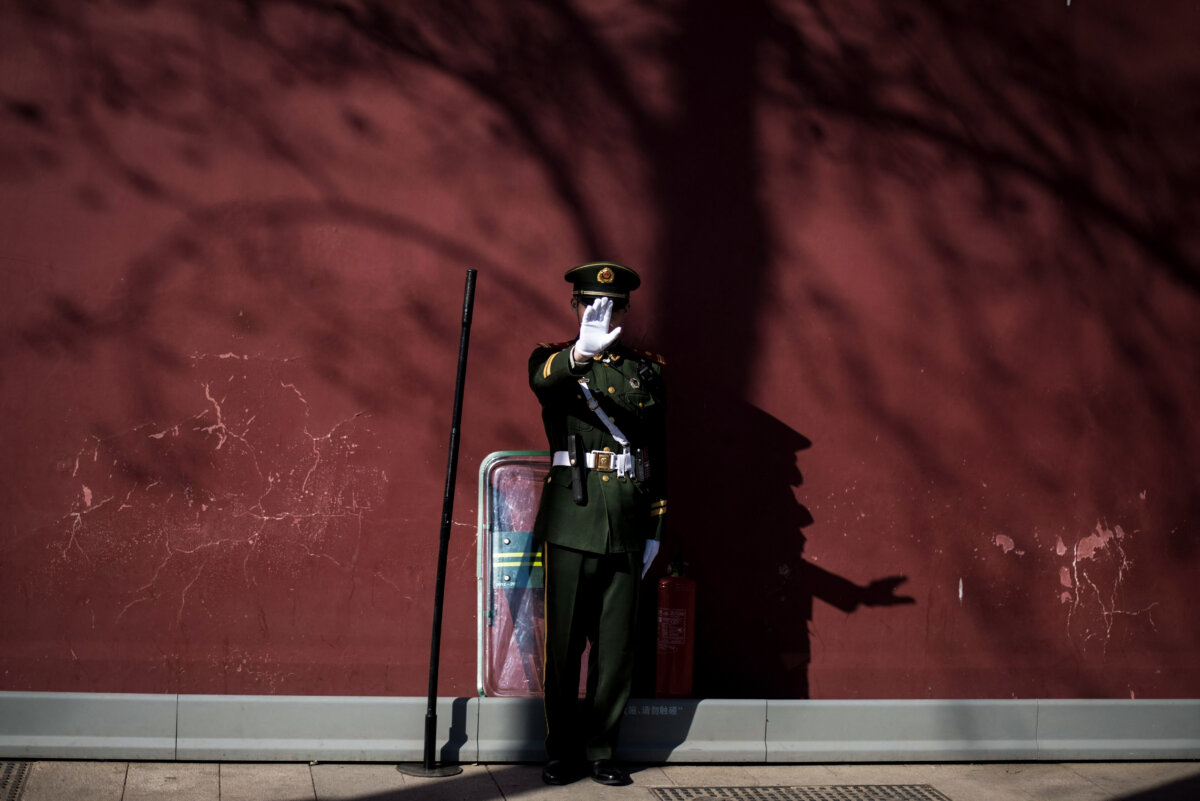
Taken together, the pressures surrounding the screening of “Love Supreme: Dialogue with Xi Jinping” and the initial disruption of Shen Yun’s run at the Four Seasons Centre reflect a broader pattern: cultural events connected to the Chinese regime’s political sensitivities are encountering escalating forms of external pressure, while Canadian institutions sometimes respond in ways that unintentionally amplify that pressure.
Whether driven by caution or misunderstanding, these responses risk undermining the Charter‑related values of freedom of expression and cultural participation that Canadians expect public institutions to uphold.
Mimi Lee is a Certified Human Rights Consultant, an officiant, financial adviser, and community advocate with over 30 years of experience in journalism, research, publishing, and public communications. She leads the Torontonian HongKongers Action Group, organizing human‑rights initiatives, cultural events, and policy engagement to strengthen democratic values in Canada.
 Friends Read Free
Copy
Facebook
Tweet
Friends Read Free
Copy
Facebook
Tweet