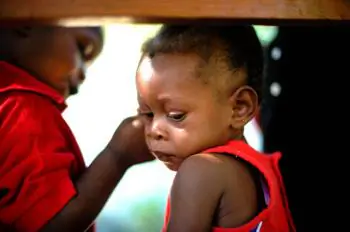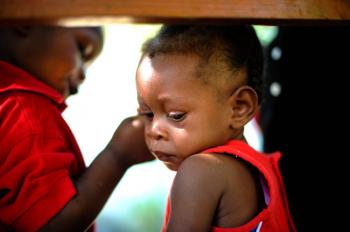

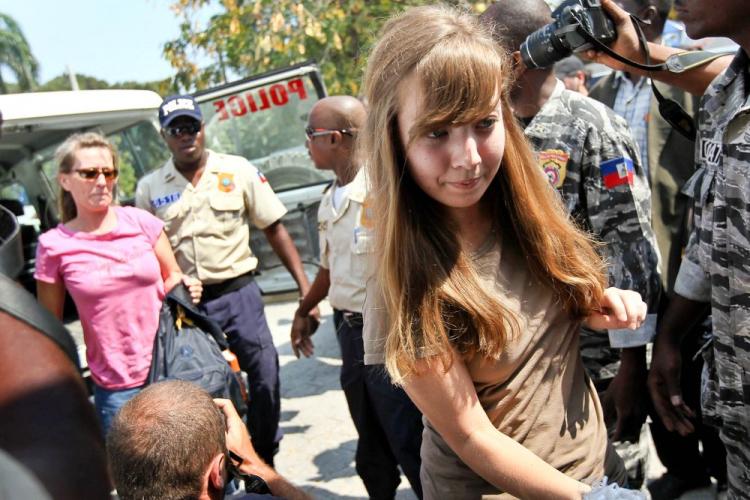
Five men and five woman were arrested at the border with the Dominican Republic, when they tried to bus 33 children, aged 2 to 12, out of Haiti without proper permission.
The judge Bernard Saint-Vil will send the recommendation to the prosecutor, who may reject it, but the judge has final word whether they will stay in custody or will be freed.
"After listening to the families, I see the possibility that they can all be released," Associated Press quoted the judge as saying, as he explicitly recommended that that all 10 Americans be released. It was not clear if this means that the charges against them will be dropped, although the attorney for one of the missionaries reportedly said that he expects the case to be dropped.
The Americans will now be allowed to leave the country, but must keep a representative in Haiti to respond to any possible questions in court.
The missionaries from the Idaho-base Baptist Church claimed that they only had good intentions and that they wanted to place the Haitian children in an orphanage they run in the Dominican Republic in order to care for them and protect them against child smuggling, which became more prevalent after the massive Jan. 12 earthquake.
It was discovered later that several of the children had at least one living parent, but the families testified before the judge that they freely entrusted their children to the missionaries, with the promise that they would receive an education and that the parents would be allowed to visit them.
 Friends Read Free
Copy
Facebook
Tweet
Friends Read Free
Copy
Facebook
Tweet