
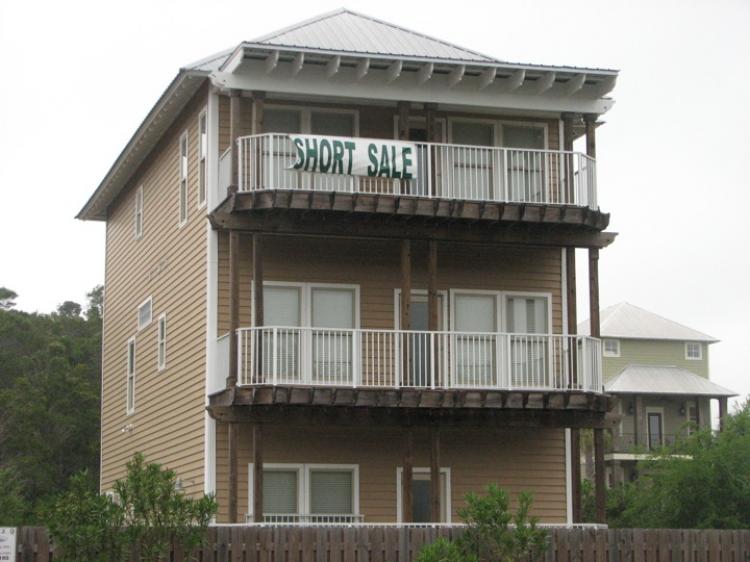
It is true that a buyer may get a great deal on a short sale property, but it is likely a sacrifice will be made in the process. I would like to share some basic principles pertaining to short sales.
Understanding
First, a buyer must have an understanding of what a short sale is. A short sale is a situation where a person is selling their home for less than what they owe to the lender or bank.
Many who are in such positions purchased their homes when the market was healthy and appreciating in value. Now, circumstances have changed, and their homes are worth less than what they paid to purchase them—and, unfortunately, someone must cut a loss.
In this case, the loss will be shared between the seller and the bank, although it is possible the seller’s loss may be forgiven by the bank.
Endurance
With short sales, first and foremost, a buyer needs to be prepared to have endurance to last. Because this really is a pre-foreclosure situation, there are two sellers involved; the owner, who still holds the title to the property, and the lender.
The owner and the lender must agree to all conditions. This adds to the length of time it takes for a buyer to receive a response. Usually, the owner of the property will respond quickly, but the bank will take time.
Sometimes the bank will even take months to respond. For this reason alone, a buyer should have endurance, and will be better off if he or she does not need to finalize the purchase within a specified time frame.
 Friends Read Free
Copy
Facebook
Tweet
Friends Read Free
Copy
Facebook
Tweet