
The U.S. Department of Agriculture (USDA) said retailers participating in the Supplemental Nutrition Assistance Program (SNAP) will face tougher stocking requirements aimed at expanding access to healthier food options for food stamp recipients.
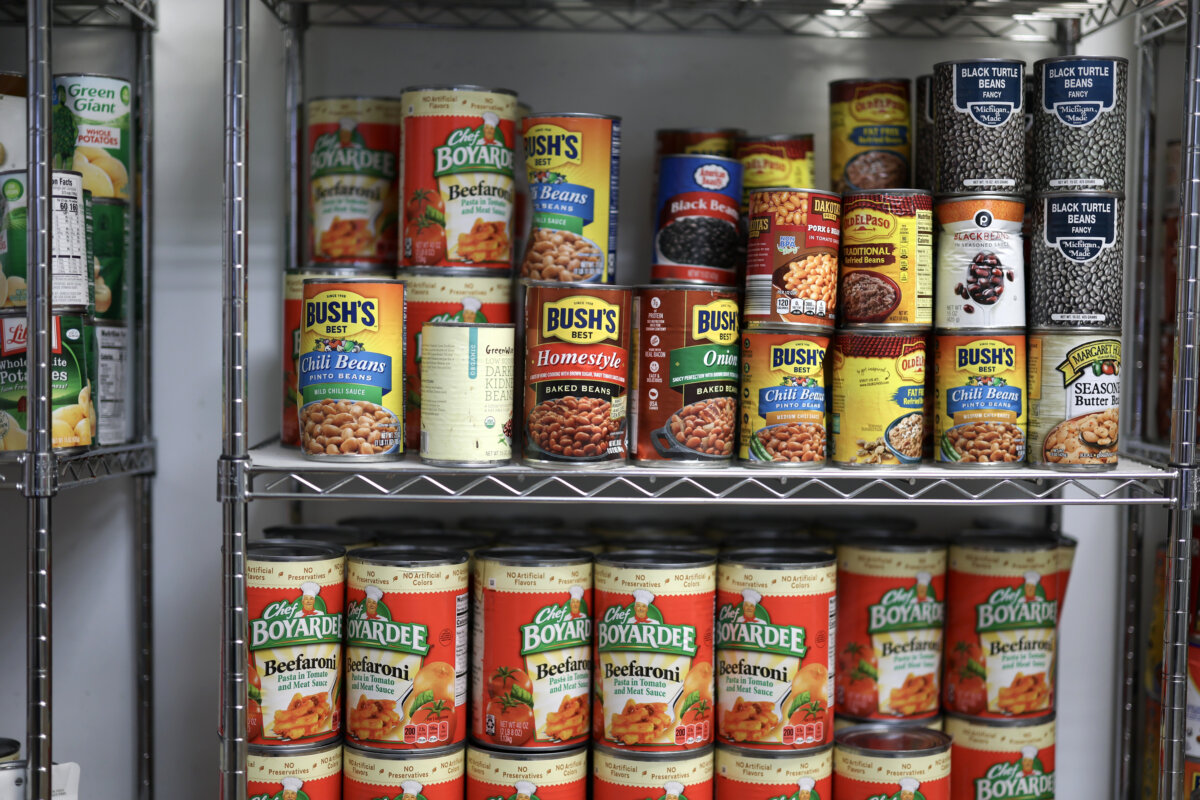
Retailers must carry seven varieties of items across four staple food categories: protein, grains, dairy, and fruits and vegetables. Federal officials said the changes are intended to increase the availability of more nutritious foods while closing loopholes that previously allowed some snack foods to count toward minimum stocking requirements.
“This rule puts real food back at the center of SNAP,” U.S. Department of Health and Human Services Secretary Robert F. Kennedy Jr. said in a press release. “It demands more from retailers and delivers better options for the families who depend on this program.”
The USDA said the rule comes as the Trump administration pushes broader nutrition and anti-fraud initiatives tied to federal assistance programs. Since the start of the administration, the Food and Nutrition Service has taken action against nearly 3,200 retailers for failing to meet stocking requirements either during the application process or after receiving authorization to participate in SNAP.
“To turn the tide on our nation’s health crisis, we need to ensure our nutrition assistance programs emphasize real food first,” Agriculture Secretary Brooke Rollins said in a statement. Rollins said SNAP-authorized retailers process more than $90 billion annually in taxpayer-funded benefits.
Federal officials said the updated requirements will take effect in fall 2026, with additional guidance for retailers expected in the coming weeks.
The Center for Science in the Public Interest said the new USDA rule won’t increase access to healthy food for SNAP shoppers.
“USDA’s announcement of the rule begins with a celebration of the large number of retailers that USDA has recently disqualified from accepting SNAP for failure to meet stocking requirements, calling into question the true intent of the updated standards,” the center’s Deputy Director Joelle Johnson said in a statement. “Is it an honest attempt to improve food access for SNAP shoppers? Or another vehicle for slashing SNAP?”
The USDA has been trying to get SNAP recipients to choose healthier foods.
In 2023, the USDA expanded financial incentives for SNAP recipients who purchase fruits and vegetables via a three-state pilot program that provided coupons, discounts, vouchers, and extra benefits for buying healthy foods.
The Trump administration is restricting the purchase of soda and candy using food stamps, as 22 states have now been approved to restrict certain purchases under the program. The restrictions still require state approval before taking effect.
As of January 2026, 38.5 million people were participating in SNAP in the United States at a cost of $7.3 billion a month.
 Friends Read Free
Copy
Facebook
Tweet
Friends Read Free
Copy
Facebook
Tweet