



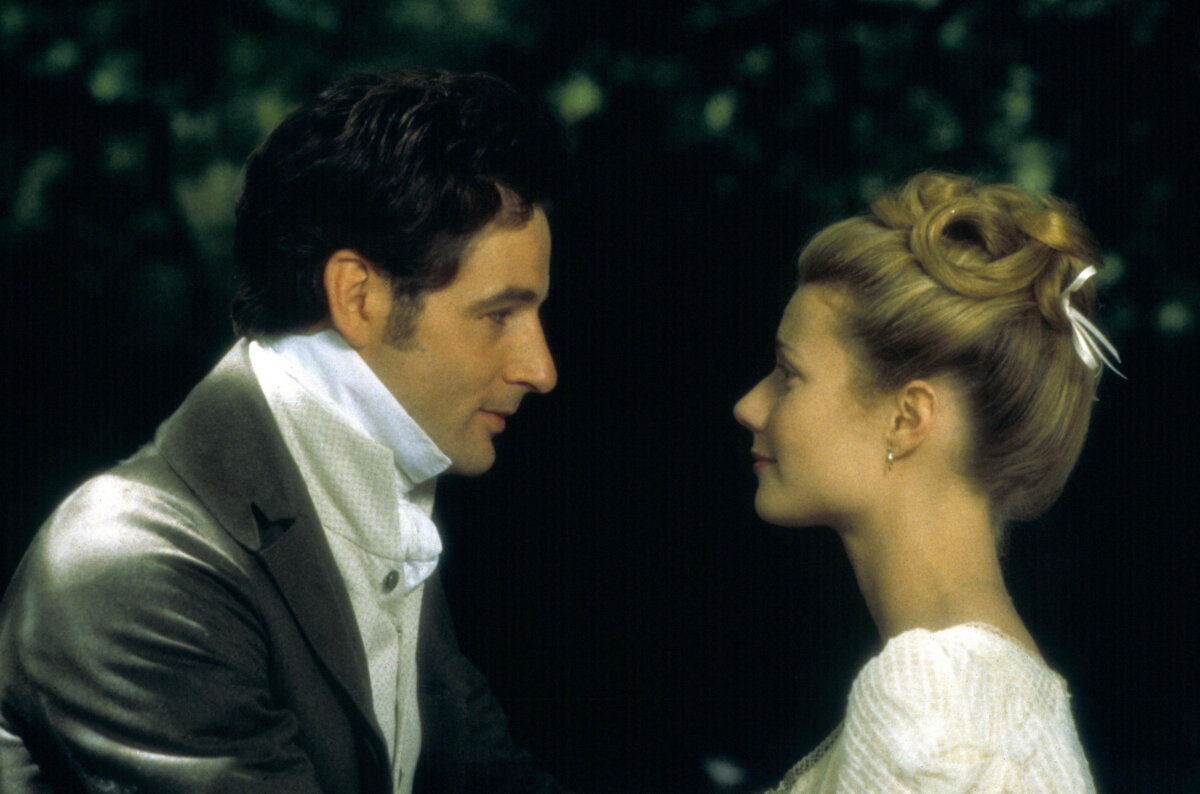
Throughout Jane Austen’s “Emma,” it is plain that the friendship between Emma and Harriet is less than ideal and more than a little selfish on Emma’s part. As Emma begins to lose her selfish satisfaction in the friendship and estimates Harriet’s virtues correctly, she also begins to more rightly estimate Mr. Knightley’s friendship and to respect his good judgment.
It would be overlooking the humanity of those in a similar position in real life to suggest that Harriet exists merely to serve the purpose of showing Emma what true friendship looks like. There is, perhaps, a more accurate observation.
It isn’t true that imperfect friendships, such as that between Emma and Harriet, should never have been formed. Rather, these unequal or imperfect friendships can guide friends to behave more selflessly. They can recognize their own character flaws and seek after the higher goods in life.
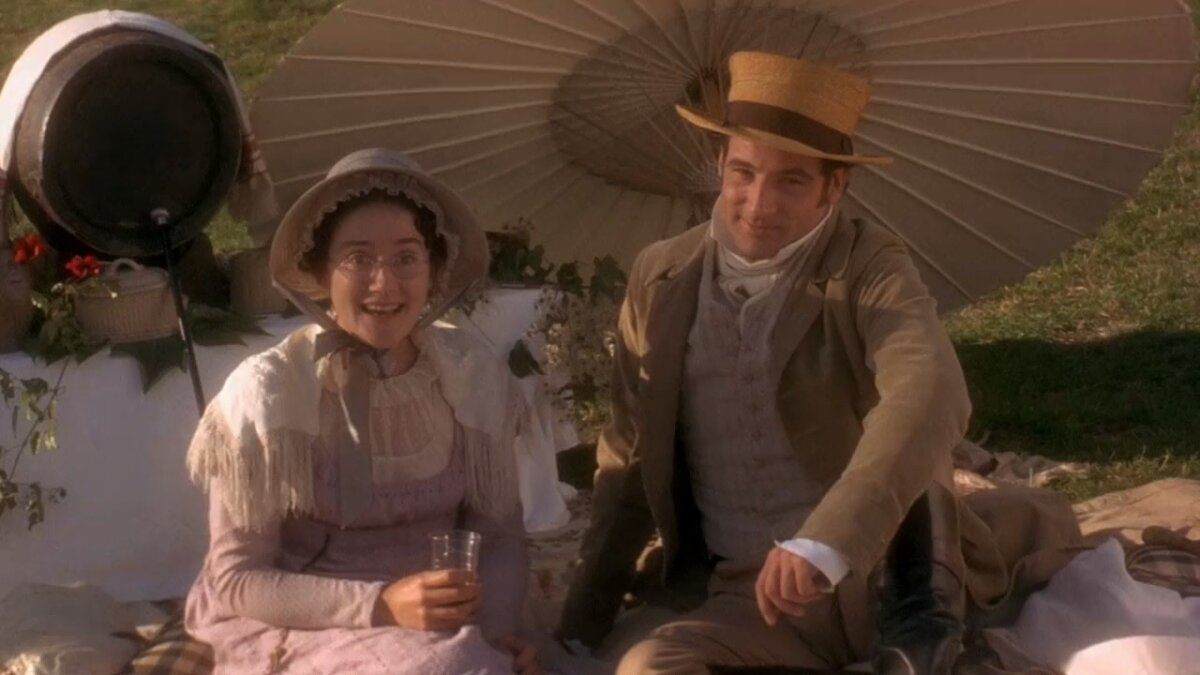
Friendship of Virtue
In addition to the imperfect friendship she has with Harriet, Emma also has a friendship of virtue. Mr. Knightley, risking his own happiness by turning Emma away from him, values her ultimate (moral) well-being enough to offer correction when she insults Ms. Bates, a poor resident of the village.
As Mr. Knightley says, the conversation is pleasant to neither Emma nor him. But he undertakes it because he knows it is the right thing to do as her friend: “I will tell you truths while I can; satisfied with proving myself your friend by very faithful counsel, and trusting that you will some time or other do me greater justice than you can do now.”
Offering a perfect example of a friendship of virtue, Mr. Knightley does not pursue the friendship only insofar as it is pleasant or convenient for him. He pursues Emma’s greater good even at his own expense.
The great credit of Emma’s character is that she is quick to repent. Emma accepts Mr. Knightley’s censure and works to correct her mistake. The incident deepens the relationship through mutual respect as each does honor to the other’s virtue and intellect.
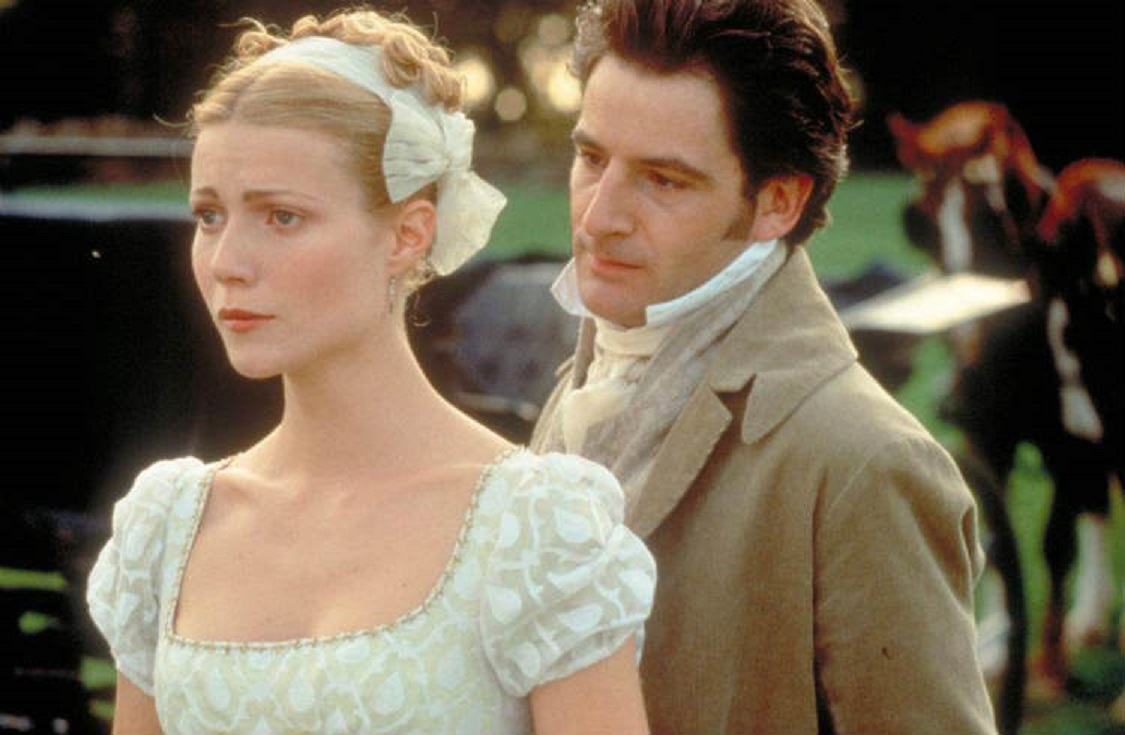
By contrast, towards the end of the novel, the reader sees that Mr. Knightley is proven correct. His early observations that Emma’s friendship would be detrimental to Harriet are right. Emma herself observes that Harriet does not have the same humility she had had formerly.
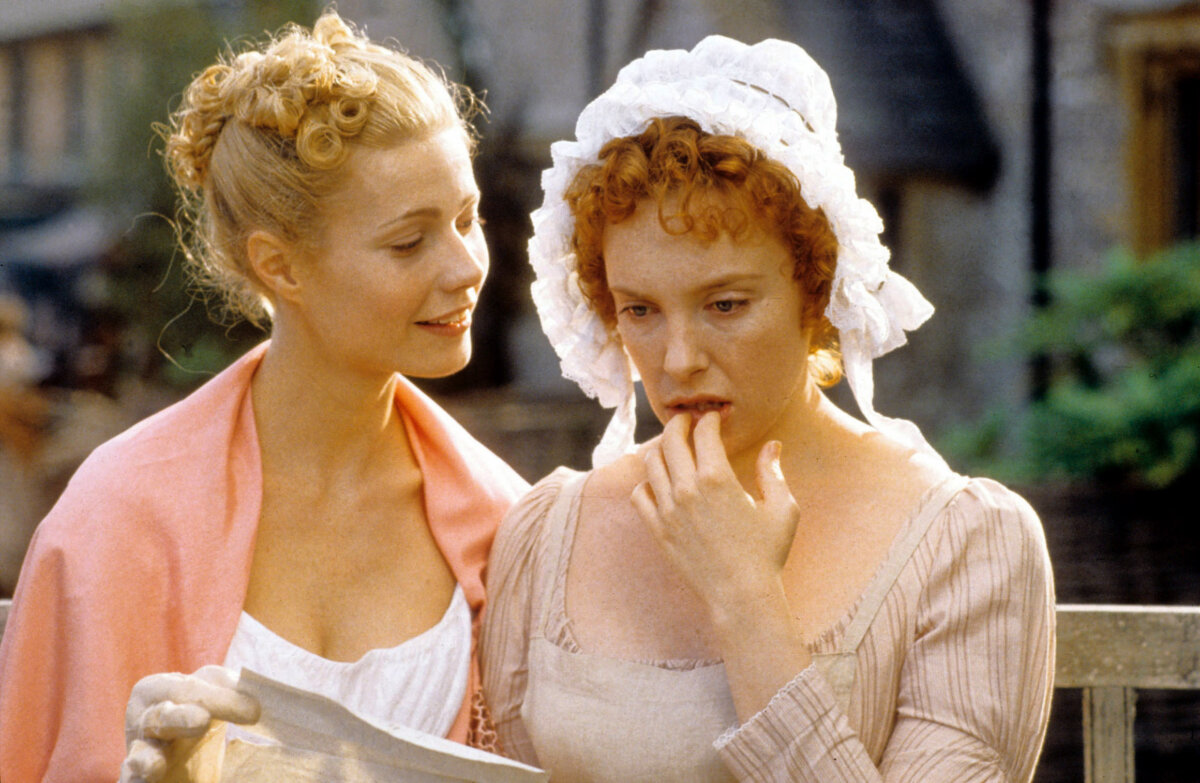
Harriet raises her eyes to consider Mr. Knightley as a potential spouse, something Emma considers a “debasement” to him. Whether or not Emma is correct in this assessment, the change in Harriet’s thinking signifies that she no longer thinks the match impossible.
While Harriet previously would never have entertained the idea out of humility, she now judges with Emma’s estimation of men. She thinks even Frank Churchill, a man far above her social rank, would be beneath her, saying, “I hope I have a better taste than to think of Mr. Frank Churchill.”
Selfish Friendship
Realizing she herself loves Mr. Knightley, Emma briefly wishes she had never met Harriet. She now thinks she should not have prevented Harriet from marrying Robert Martin, who was “unexceptionable” and would make her “happy and respectable in the line of life to which she ought to belong.”
The fact that Emma’s affection for Harriet dissipates in an instant when there is any threat to her own happiness shows that it was never a true friendship at all. C.S. Lewis writes, “Emma intends that Harriet Smith should have a happy life; but only the sort of happy life which Emma herself has planned for her.” Emma is not the sort of teacher who desires the moment when her student should outstrip her or outgrow the need for her.
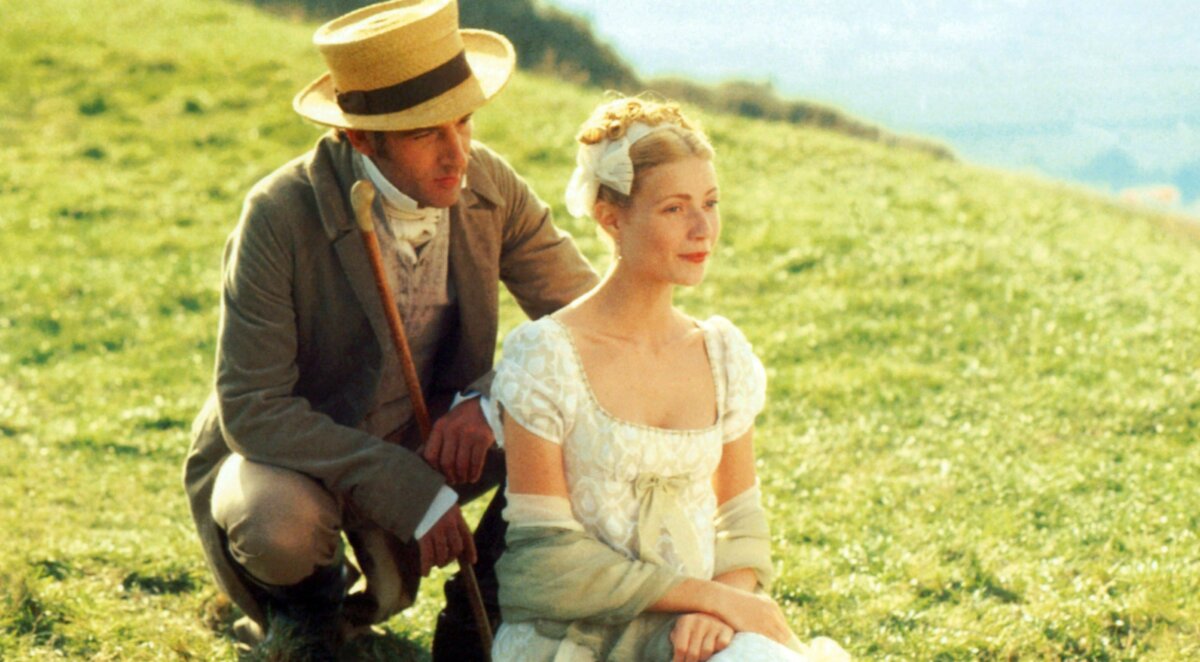
However, Emma comes to recognize this fault in herself. She has the intellectual integrity to see that Mr. Knightley choosing Harriet over herself would be the direct consequence of her own actions. She shoulders the burden of “every future winter of her life” with the meager consolation that at least this next chapter “would yet find her more rational, more acquainted with herself, and leave her less to regret when it were gone.”
Emma has the strength of character to still fulfill her responsibility as a true friend to Mr. Knightley. Even when she believes him to be on the verge of confessing his love for Harriet, she offers to listen. However unpleasant the confidence may be for her, Emma tells him:
“If you have any wish to speak openly to me as a friend, or to ask my opinion of any thing that you may have in contemplation as a friend—indeed, you may command me.—I will hear whatever you like. I will tell you exactly what I think.”
Even in the midst of her happiness on hearing that Mr. Knightley loves her, Emma is able to think of Harriet and how best she can serve both her and Mr. Knightley. She knows that not revealing Harriet’s secret of loving Mr. Knightley is “all the service she could now render her poor friend.”
At the same time, having arrived at a better understanding of all three of their characters, Emma does not display a “flight of generosity run mad” and ask Mr. Knightley to choose Harriet over her. Knowing Harriet may be the worthier of the two, Emma knows still that the match would be unequal; it would surely not be to Mr. Knightley’s greater benefit or happiness.
Growth in Humility
Emma comes to recognize her folly and grows in humility. She no longer seeks after praise for having helped Harriet. Emma has grown to recognize that she has done Harriet an emotional disservice. She has persuaded Harriet into an attachment to Mr. Elton and disappointed hopes.
She has also done Harriet a moral disservice in that Emma is shown to be a poor instructor in virtue, leading Harriet further from her natural humility. Mr. Knightley praises Emma at the end of the novel. He says she contributed to Harriet “being an artless, amiable girl, with very good notions, very seriously good principles, and placing her happiness in the affections and utility of domestic life.”
Emma responds that she can only feel pity for Harriet and silently submits to “a little more praise than she deserved.”
By the time Harriet accepts Robert, Emma is able to rightly estimate the virtues of each. She sees how Robert will be able to help Harriet grow in virtue. Emma also realizes his own virtue and good sense—characteristics which qualify him as a worthy suitor of a friend of hers.
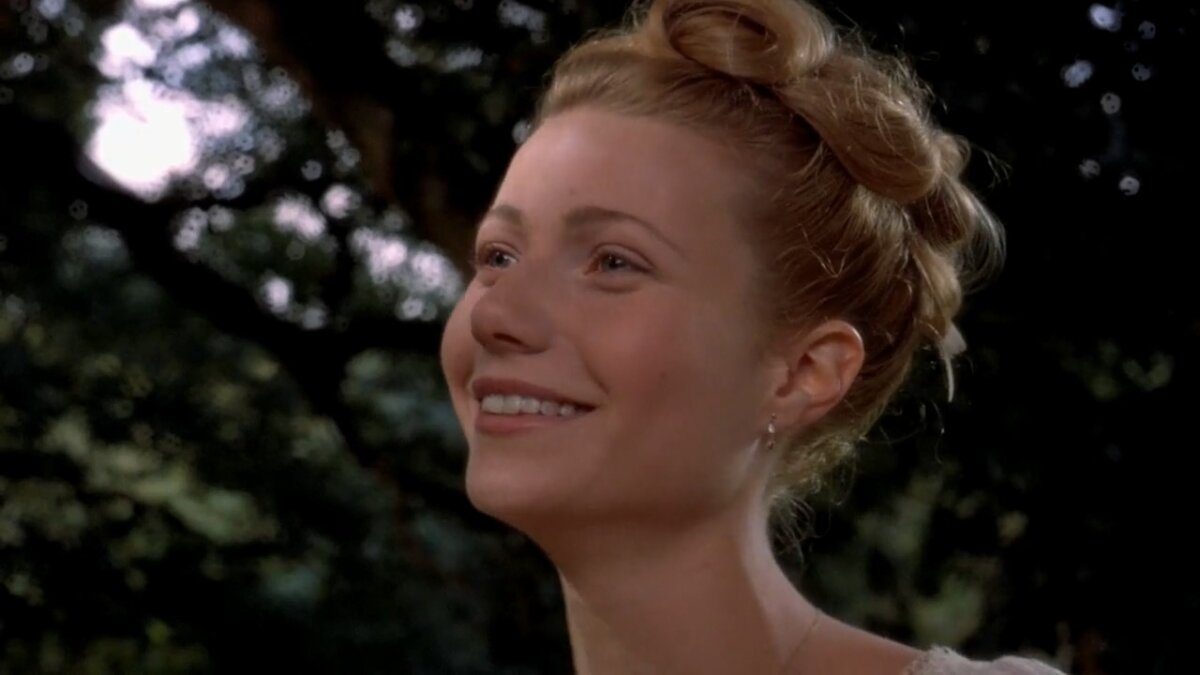
Emma is able to sacrifice her affection for Harriet; having once been unwilling to have her leave Hartfield, Emma now allows for a healthy distance, both physical and emotional. Austen writes, “The intimacy between her and Emma must sink; their friendship must change into a calmer sort of goodwill.” The friendship becomes rightly ordered, more based on a mutual interest in the other’s genuine well-being.
In order to foster an appreciation of genuine friendship, “Emma” provides the reader with a decided example of imperfect friendship. It also shows how that imperfect friendship can be reordered and integrated into one’s life with a healthy understanding of the purpose of relationships as the mutual good of one another.
At the end of the novel, Emma proves to herself that she can now seek perfect friendship rather than self-aggrandizement or selfish gain from a friendship of pleasure. Austen shows that work must be done in the individual heart in order for it to be ready to accept higher loves that are offered to it.
Even if one has the opportunity to form friendships of virtue or to receive deeper forms of love, they can only be received and appreciated fully if one grows in virtue. An individual must consider what he or she themselves can give rather than what they get out of the relationship.
Check out Part 1 to explore Emma’s friendship with Harriet Smith.
What arts and culture topics would you like us to cover? Please email ideas or feedback to features@epochtimes.nyc
