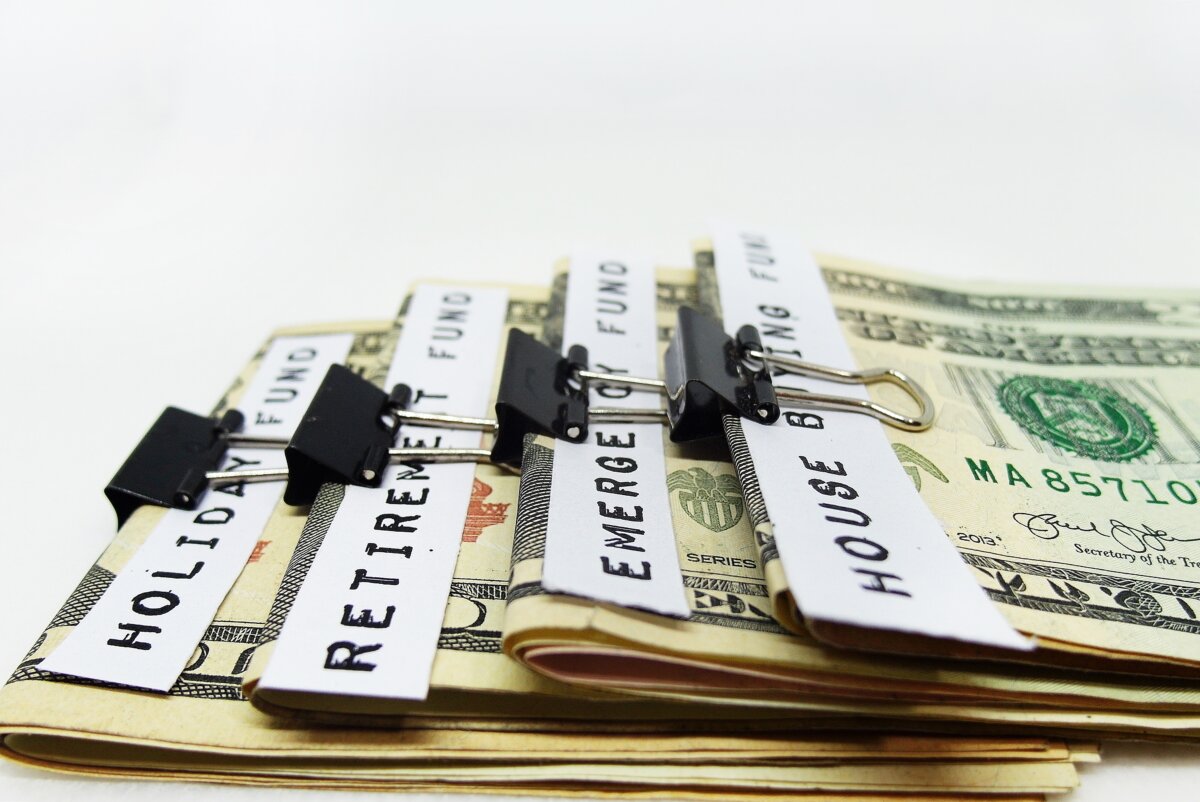
The pay yourself first method works by automatically moving money to savings, retirement accounts, and bills before you spend a single dollar. You set your savings rate once, automate the transfers, and spend whatever remains without tracking every purchase. This strategy can be one of the most effective systems for anyone who finds traditional budgeting overwhelming or unsustainable.
Why Most Budgets Fall Apart
You’re probably not bad with money, just bad at tracking it. Those are two entirely different problems.
Most traditional budgeting systems ask you to log every coffee, every grocery run, every small impulse purchase. For some people, it’s a great approach. For many others, it creates anxiety and burnout, which is usually when they give up.
The pay yourself first method flips the entire model. Instead of monitoring what you spend, you protect what matters before you ever get a chance to touch it. Savings, retirement contributions, and fixed bills come out first. Everything left is yours to spend however you want, no spreadsheet required.
How the Pay Yourself First Method Works
The method has straightforward mechanics:
- Your paycheck arrives.
- Automated transfers immediately move money to savings, retirement, and bill payments.
- Whatever remains in your checking account is your spending money.
Here’s what a basic setup looks like:
| Category | Action | Timing |
| Emergency fund/savings | Auto-transfer to high-yield savings account | Same day as payday |
| 401(k) or IRA contribution | Payroll deduction or scheduled transfer | Pre-paycheck or payday |
| Fixed bills (rent, utilities, subscriptions) | Autopay | Bill due date |
| Remaining balance | Spend freely | Anytime |
By the time you open your banking app, the important work is already done.
How Much Should You ‘Pay Yourself’ First?
A common starting point is 20 percent of your take-home pay directed toward savings and retirement combined. But keep in mind that 2026 has seen elevated living costs across many U.S. markets. Therefore, your own percentage needs to reflect your real fixed expenses first.
A practical breakdown:
- Emergency fund: If you don’t yet have three to six months of expenses saved, make this your first priority. Even $100 to $200 per paycheck adds up quickly when it runs on autopilot.
- 401(k) contributions: At minimum, contribute enough to capture your full employer match. That’s an immediate, guaranteed return on your money.
- Roth or traditional IRA: Once you’ve captured the match, consider directing additional savings here. The 2026 contribution limit is $7,500, or $8,600 if you’re 50 or older.
- Sinking funds: Set up small automatic transfers into separate savings buckets for predictable large expenses, like car maintenance, holiday gifts, or annual insurance premiums.
If 20 percent feels out of reach right now, start with whatever amount you can automate and increase it by 1 percent every few months.
Who This Method Works Best For
Pay yourself first tends to perform well if you:
- receive a steady, predictable paycheck
- tend to overspend when cash sits idle in your checking account
- feel overwhelmed by detailed monthly budget categories
- have access to an employer-sponsored retirement plan with payroll deduction
- want a system that runs itself after the initial setup
Where It Can Go Wrong
Like any budgeting method, it has real limitations. Here’s where people typically hit trouble:
Overdrafting your checking account. If your automated transfers are set too high relative to your actual fixed expenses, you can end up short before the next payday. Start conservatively and fine-tune after one or two pay cycles.
Ignoring high-interest debt. Pay yourself first works well alongside a debt payoff plan, but it is not a substitute for one. Credit card balances with high interest rates should be part of your automation lineup.
Variable or gig income. Fixed automatic transfers can create cash flow problems when your income shifts month to month. Use a percentage-based rule instead: instruct your bank to transfer 15–20 percent of each incoming deposit rather than a set dollar amount. Some banks and budgeting apps support this natively.
Lifestyle creep. Automating savings does not prevent overspending what remains. If your “free to spend” balance keeps running dry before your next paycheck, your savings rate or fixed expense load needs a closer look.
Setting It Up in 2026
A simple setup checklist:
- Open a high-yield savings account that is separate from your everyday checking account.
- Set up direct deposit splitting through your employer or bank’s online portal.
- Enroll in your employer’s 401(k) and confirm your contribution percentage.
- Turn on autopay for all recurring fixed bills.
- Set a calendar reminder 60 days out to review and adjust your transfers.
Most major banks and credit unions allow you to schedule recurring transfers in under 10 minutes online.
Frequently Asked Questions About the Pay Yourself First Method
What Is the Difference Between Pay Yourself First and a Regular Budget?
A traditional budget requires you to track spending across multiple categories throughout the month. Pay yourself first focuses only on what you save and automate at the start of each pay period, then allows you to spend the rest freely. It demands less ongoing effort and tends to be more sustainable for people who find detailed expense tracking stressful or time-consuming to maintain.
How Much Should I Pay Myself First If I’m Living Paycheck to Paycheck?
Start with a small amount, even $25 to $50 per paycheck. The goal at this stage is building the habit and creating a small financial cushion, not hitting a specific savings percentage. Once the automation is in place, increase the amount gradually as your income grows, your expenses decrease, or both. Small consistent contributions build meaningful savings over time.
Can the Pay Yourself First Method Work With Irregular Income?
Yes, with one adjustment. Instead of automating a fixed dollar amount, set your transfer as a percentage of each deposit. Your savings will scale up on strong income months and stay manageable on slower ones. A transfer rate of 10–20 percent of each deposit is a reasonable starting range depending on your fixed expense obligations and financial goals.
Is Pay Yourself First a Good Strategy in a High-Cost-of-Living Environment?
It can work well, but your savings rate needs to be honest about what you can actually afford. In high-cost markets, fixed expenses consume a larger share of income and leave less room for automation. Begin by securing your employer retirement match and a modest emergency fund contribution, then build your savings rate upward as your financial situation allows over time.
The Epoch Times copyright © 2026. The views and opinions expressed are those of the authors. They are meant for general informational purposes only and should not be construed or interpreted as a recommendation or solicitation. The Epoch Times does not provide investment, tax, legal, financial planning, estate planning, or any other personal finance advice. The Epoch Times holds no liability for the accuracy or timeliness of the information provided.