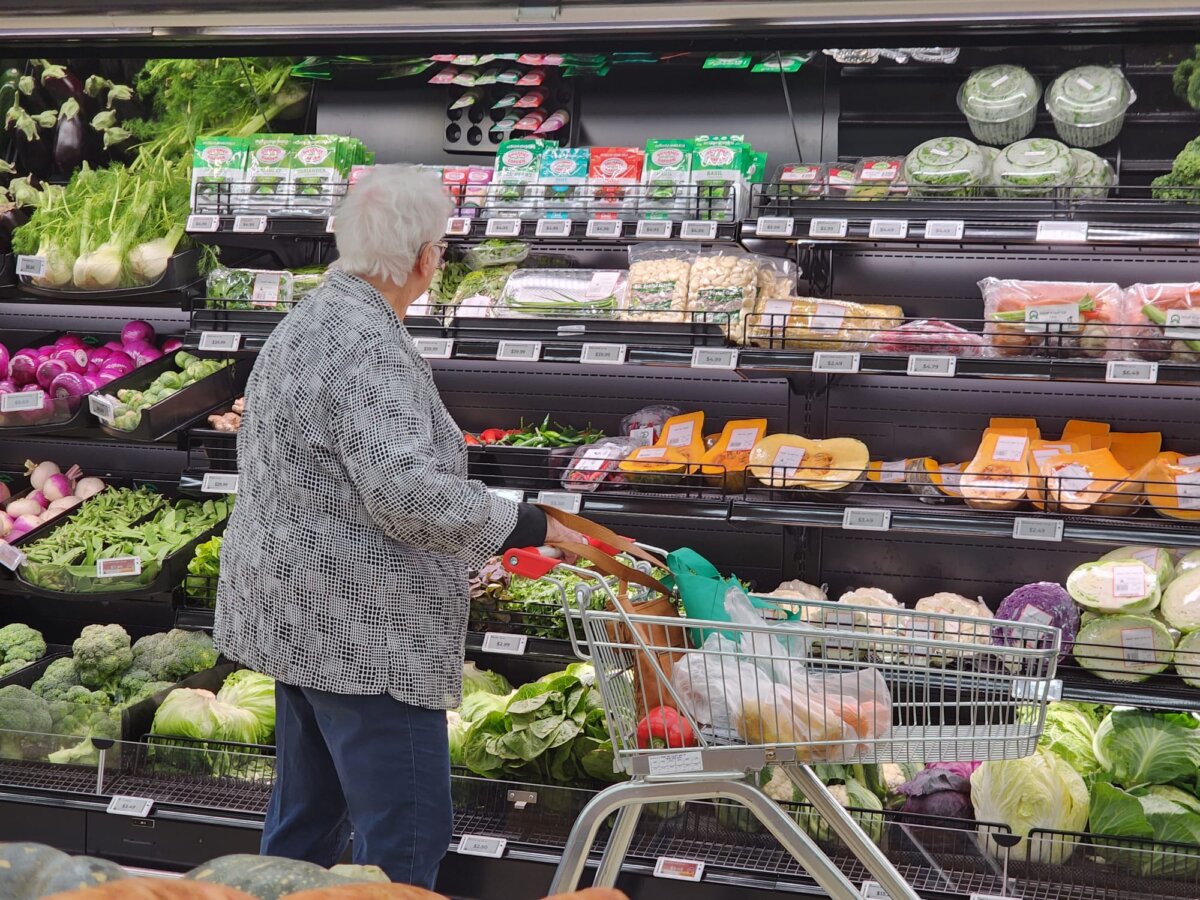

Australians relying on government payments are facing greater rises in their household expenses compared to any other group in the June 2025 quarter.
According to the Australian Bureau of Statistics (ABS), this is due to rising electricity costs and the end of energy bill relief subsidies.
While the annual rise in living costs has slowed overall, the latest Living Cost Indexes (LCIs) show that households on government transfers—including pensioners—continue to feel the greatest financial strain.
ABS head of prices statistics Michelle Marquardt said housing and food costs were the biggest contributors to cost-of-living increases across all household types.
But for lower-income households, the impact was worse, as the second instalments of both the Commonwealth Energy Bill Relief Fund (EBRF) and state rebates in Perth and Queensland were used up by the March quarter.
Without that support, out-of-pocket electricity costs rose sharply this quarter.
Employee Households Benefit From Rate Cuts
In contrast, employee households—whose main income comes from wages or salaries—experienced the smallest increase in living costs this quarter, a trend last seen in March 2022.
Their quarterly expenses increased by up to 1 percent, the lowest among all household types.
This relief came largely due to a 1.4 percent drop in mortgage interest charges, driven by banks lowering rates on variable and new fixed-rate home loans after the Reserve Bank cut the cash rate in February and then again in May.
Because employee households typically spend more on mortgages than other groups, they were the main beneficiaries of the rate cut.
Still, the annual increase in employee household costs was 2.6 percent to June 2025, down from 3.4 percent the previous quarter. While mortgage interest charges remained the biggest contributor, the rate of growth slowed to 4.5 percent, from 8.8 percent in the March quarter.
No Relief for Pensioners
Age pensioners and welfare recipients not only faced the largest quarterly increases, but their long-term cost pressures remain elevated while pension payments saw a modest rise.
The living index for this group rose 2.7 percent in the six months between December 2024 and June 2025, outpacing the 1.6 percent rise in the CPI over the same period.
But with electricity rebates already exhausted and food prices still climbing, pensioners are finding it difficult to cover basic expenses.
Opposition Targets Inflation Claims
Cost-of-living pressures dominated Question Time in Parliament last week, with the opposition putting a spotlight on rising energy prices, grocery bills, and bulk billing costs.
Opposition Leader Sussan Ley criticised Treasurer Jim Chalmers for calling the latest inflation figures “outstanding,” citing three-year price hikes of 34 percent for eggs and 18 percent for bread.
Chalmers countered that food inflation had halved from 5.9 percent under the Coalition to 3 percent.
While ABS data shows food prices rose 1 percent in the June quarter, fruit and vegetables increased 4.3 percent, driven by seasonal shortages.
Egg prices soared 19.1 percent over the year following bird flu outbreaks, while coffee, tea, and cocoa rose 9.4 percent amid global supply issues.
Health costs also increased 1.5 percent, with medical and hospital services up 2.3 percent after private health insurance premiums rose in April.
 Friends Read Free
Copy
Facebook
Tweet
Friends Read Free
Copy
Facebook
Tweet