American medical manufacturer Becton Dickinson said Oct. 6 it will invest $19 billion in the United States over several years under a partnership with the federal government, in exchange for relief from future tariffs if it meets agreed milestones.
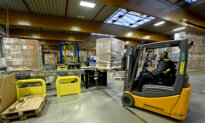
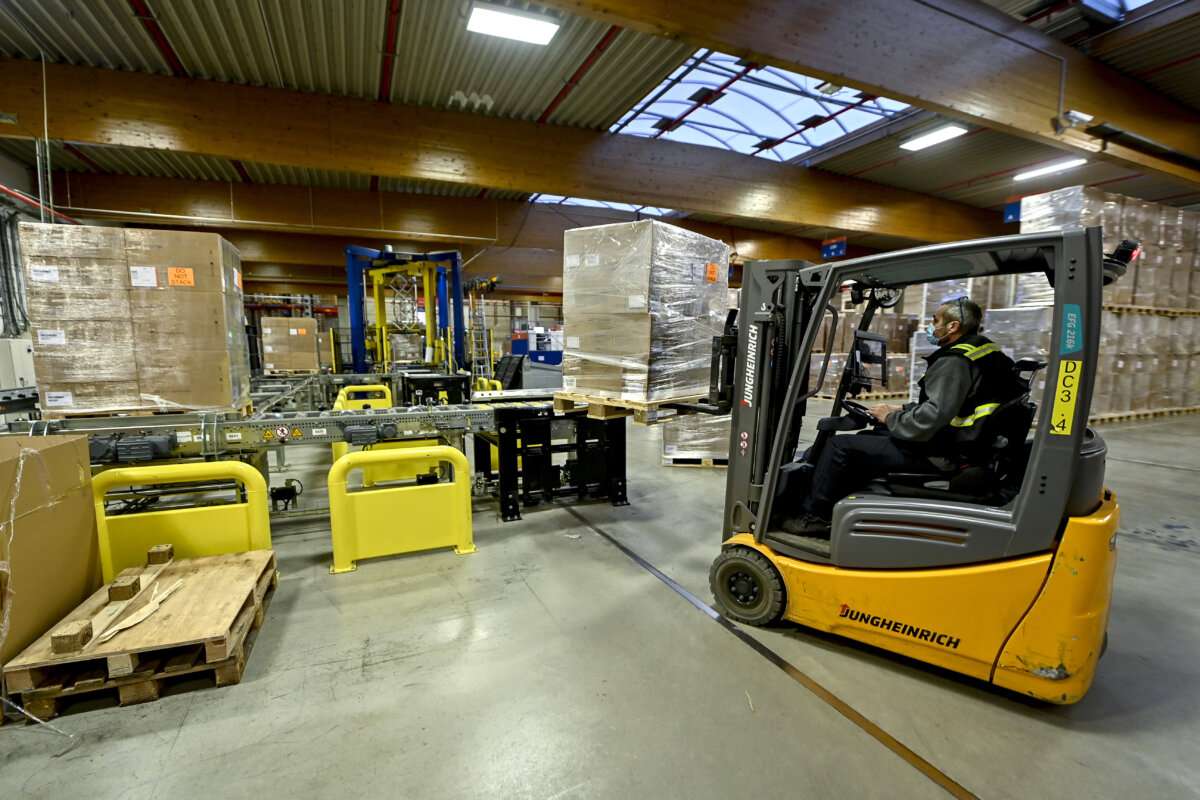
The Franklin Lakes, N.J., company said $3 billion of that sum will go to manufacturing expansion at strategic sites. It plans to raise its end-to-end U.S. manufacturing by about 5 billion essential medical consumables a year, which is 80 percent of its sales. All needles sold are to be made here, with American-made steel.
Becton Dickinson, which calls itself the nation’s largest maker of essential medical consumables, said those products are used in about 90 percent of U.S. hospital visits. Its U.S. network includes plants in Columbus and Broken Bow, Nebraska.; Canaan, Connecticut.; Añasco, Puerto Rico; Sandy, Utah; El Paso, Texas; Covington, Georgia.; and Sumter, South Carolina.
The tariff relief is not open-ended. The company said future relief from Section 232 tariffs, targeting imports judged to be a threat to national security, will only be granted if the company hits the milestones in the agreement and on how any future Section 232 action is written and applied.
The company has said it cannot calculate the financial impact of the tariffs until the rate is published. The Trump administration has yet to publish the tariff rule, with President Donald Trump indicating it will be finalized by year-end.
The Commerce Department opened its Section 232 investigation into imported protective equipment and medical items in September 2025. These include surgical masks, syringes, intravenous bags, pacemakers, wheelchairs, and hospital beds, and also reached insulin pumps, coronary stents, heart valves, hearing aids, prosthetics, blood glucose monitors, orthopedic devices, CT scanners, and MRI machines.
The department was seeking information from industry about domestic capacity and the prospect of “foreign control or exploitation of supply chains,” the notice said at the time.
“This agreement reflects a shared commitment between the U.S. Government and [Becton Dickinson] to strengthening America’s healthcare infrastructure, expanding U.S. manufacturing capacity and supporting reliable access to essential medical technologies, ultimately building a more resilient healthcare system for the future,” Tom Polen, chairman, CEO, and president of the company, said in an Oct. 6 statement.
Trump on Oct. 5 announced part of the deal in a post on Truth Social as he headed to Nebraska as part of his 32-day campaign tour to support Republicans running in the November midterm elections.
“HUGE INVESTMENT WIN for NEBRASKA AND THE U.S.!” the president wrote. Becton Dickinson “has agreed to an Investment of 3 BILLION DOLLARS to Onshore Manufacturing of Essential Medical Products (syringes, needles, lab kits, and more) that American Patients and Hospitals depend on.
“No one likes needles—But, if you need one, it should be made of American Steel in the U.S.A.”
The president attributed Beckton Dickenson’s decision to his tariff policies.
Later that night, the president addressed thousands of supporters gathered at Grand Island.
Earlier in January, Becton Dickinson had already announced the expansion at its Columbus facility in Nebraska for $110 million, to increase its production of Neopak glass prefillable syringes. The investment added about 120 jobs for supply beginning in mid-2026.
Drugmakers had already pledged billions in U.S. investment in response to Trump’s tariff policies.
AstraZeneca said in July 2025 it would invest $50 billion in the United States by 2030. Eli Lilly had announced a $27 billion plan on Feb. 26, 2025, for four new U.S. drug plants, and Johnson & Johnson committed on March 21, 2025, to more than $55 billion over four years.
The president said in July that tariffs on imported drugs could rise to as much as 200 percent.
“We’re going to give people about a year—a year and a half—to come in. And after that, they’re going to be tariffed,” he said at the time.
 Friends Read Free
Copy
Facebook
Tweet
Friends Read Free
Copy
Facebook
Tweet