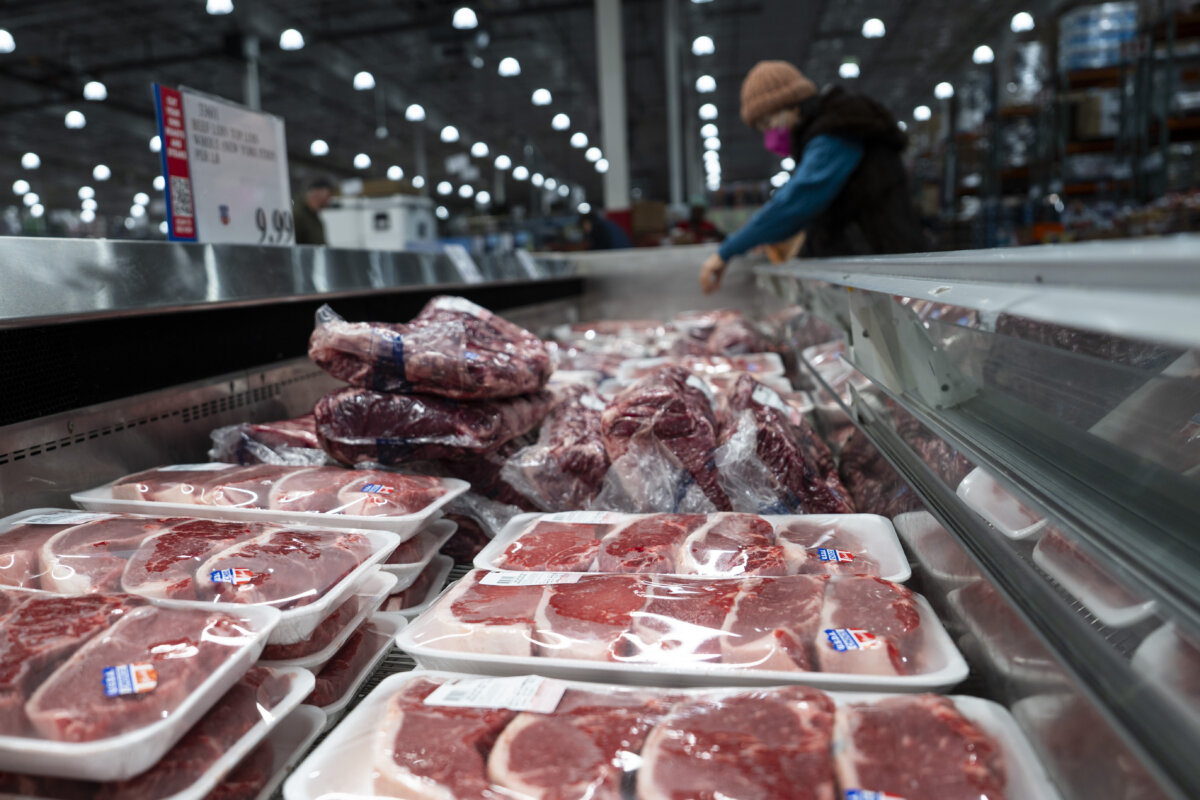

Grillers have received some bad news ahead of the summer barbecue season: Beef prices are surging.
Live cattle prices climbed by a record $2.52 per pound at the end of the April 15 trading session, adding to their year-to-date gain of about 8 percent. Futures retreated modestly, slipping by 1 percent the next day.
Prices have climbed by 25 percent over the past year amid shrinking supply and steady demand.
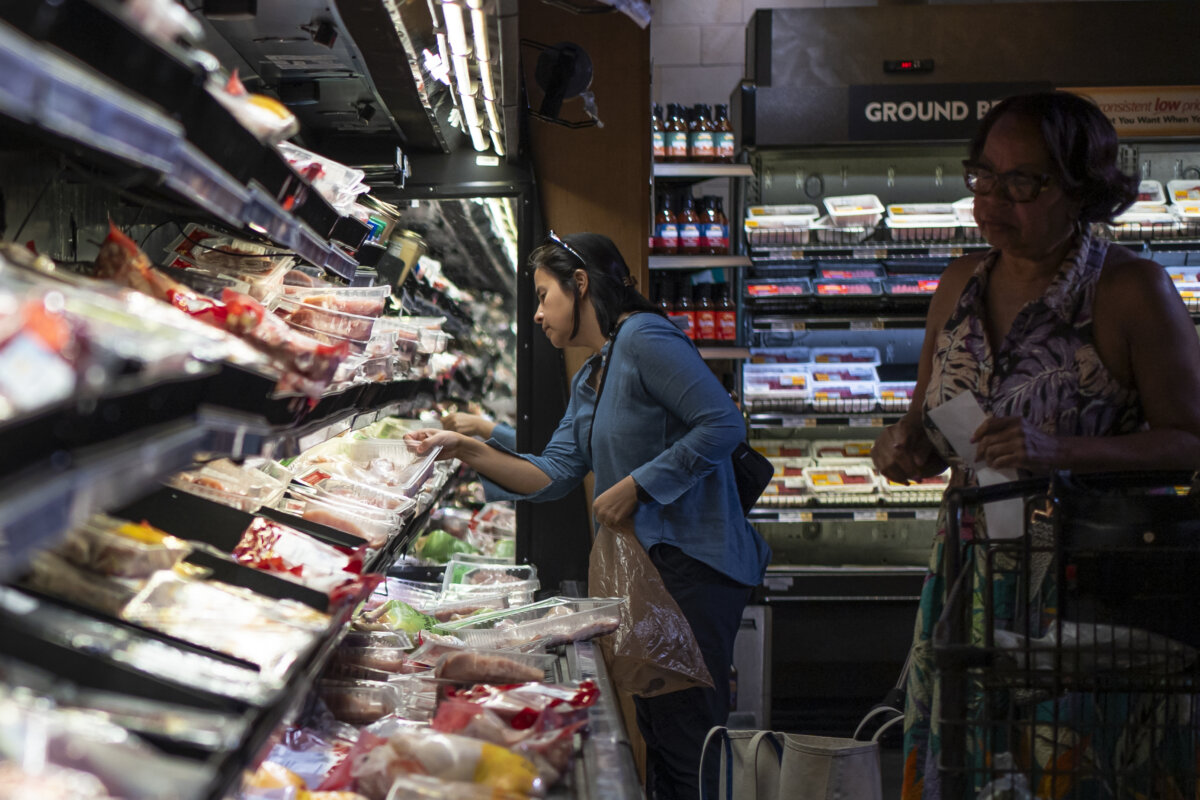
At the retail level, the average price for a pound of ground beef is at a record high of $6.70, up by 16 percent from a year ago, according to the Bureau of Labor Statistics. The March consumer price index report confirmed modest relief, with beef prices coming down by more than 1 percent.
“This has kept slaughter availability constrained and pushed live cattle costs higher,” Torsten Slok, chief economist at Apollo, said in an April 9 note. “Resilient consumer demand and elevated feed, labor, and energy costs are reinforcing the move at retail.”
Since Russia’s invasion of Ukraine, which helped push up feed costs, the United States has faced a shrinking cattle herd. Worsening drought conditions and higher equipment, fuel, and labor costs have also made it more expensive for ranchers to maintain cattle.
The number of beef cows has fallen below 28 million this year, the lowest number since the 1960s.
With the war in Iran—approaching its eighth week—keeping global energy markets higher, it might not become any easier for cattle farmers.
Additionally, transportation costs will pose another hurdle for the industry. The national average price for a gallon of diesel is firmly above $5, according to the American Automobile Association.
Looking ahead, beef prices are forecast to rise by more than 10 percent this year because of shrinking beef production, the U.S. Department of Agriculture (USDA) said in its latest World Agricultural Supply and Demand Estimates report.
The production outlook was revised lower this month by 20 million pounds, to 25.79 billion pounds.
“Beef production is expected to decline again in 2026, although not as severely,” Michael McConnell, USDA livestock analyst for the World Agricultural Outlook Board, wrote earlier this year. “Growth in pork, broilers and turkey production, however, are expected to offset the decline.”
So far, higher beef prices have not stopped shoppers, as demand has remained robust this year.
Public Policy Actions
The White House has attempted to mitigate the spike in beef prices by boosting imports, prompting complaints from industry trade associations.
President Donald Trump signed an executive order in February to substantially increase beef imports from Argentina into the United States.
The president has previously encouraged farmers to lower their prices, claiming that his tariffs have allowed cattle ranchers to flourish.
“If it weren’t for me, they would be doing just as they’ve done for the past 20 years—Terrible!” Trump said in an October 2025 Truth Social post. “It would be nice if they would understand that.”
The National Cattlemen’s Beef Association expressed disapproval over expanding beef imports from Argentina, urging the White House to instead center efforts on protecting domestic cattle from foreign animal diseases.
“If President Trump is truly an ally of America’s cattle producers, we call on him to abandon this effort to manipulate markets,” the group said in a statement.
Mexico and Central American countries have experienced an active, widespread outbreak of New World screwworm—a parasitic fly that can devastate livestock. To date, there have been no U.S. cattle infections.
In recent months, the administration has negotiated various trade agreements, including those with Indonesia and Taiwan, to bolster U.S. beef exports.
U.S. officials have also supported the sector, taking new actions to increase the supply of American beef, benefiting producers and lowering consumer costs.
Some of these measures, introduced by USDA and the Department of the Interior, focus on cutting red tape, such as streamlining permitting processes and reducing delays in issuing grazing permits and in infrastructure improvements.
“This is another example of President Trump eliminating costly bureaucracy in order to lower consumer prices,” Agriculture Secretary Brooke Rollins said in a March 31 statement.
“Our public lands are there for the people, and this action demonstrates the commitment at USDA and the Department of the Interior to improve our services so farmers and ranchers who use public lands can run more efficient operations.”
 Friends Read Free
Copy
Facebook
Tweet
Friends Read Free
Copy
Facebook
Tweet