
Commentary
The S&P 500 rose 4.4% in the first 10 days of April, and NASDAQ is up 6.1%, after Iran and the U.S. agreed to a two-week ceasefire brokered by Pakistan. During this ceasefire, the Strait of Hormuz was initially opened up in a limited way to alleviate crucial shortages of crude oil and fertilizer, but that flow of ships was very limited last week and may be terminated again as the peace talks broke up last weekend.
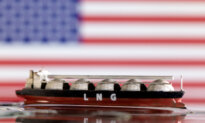
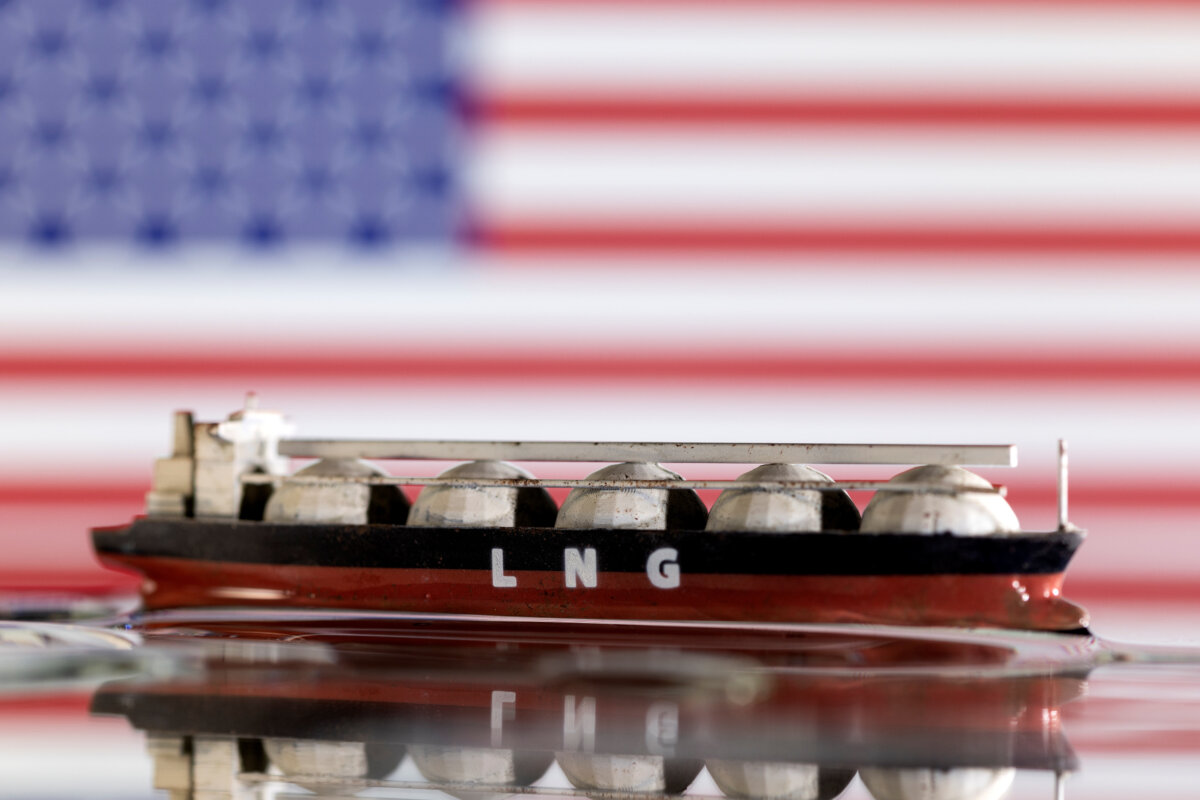
During this peace process, I wouldn’t become over-concerned with day-to-day news. I’d rather examine the endgame. In last week’s Navellier Market Buzz, veteran investment strategist Eric Fry and I discussed whether controlling world energy markets was part of the original Trump administration’s “master plan” for attacking Iran. After all, the U.S. is already controlling LNG shipments, so crude oil would be the next logical step toward stabilizing global energy prices. Since U.S. sanctions remain on Iranian crude oil, the U.S. has negotiating leverage. Furthermore, the U.S. bombed Kharg Island before the ceasefire, and our U.S. Marines could easily take control of Iran’s deep-water port there, a spot controlling 90% of Iran’s crude oil exports.
Here are the most important developments recently and what they mean:
– Goldman Sachs (GS) kicked off the earnings announcement season with its strongest result in the past five years. Most of the earnings announcements this week will be financial stocks, and by and large, they should report good results. Next week, fundamentally superior stocks will begin to announce their second-quarter results, and expectations are very high due to positive analyst earnings revisions.
– Stocks have now fully recovered to pre-Iran conflict levels. The S&P is now only 65 points from its February all-time high, and the other major indexes aren’t far behind. Credit spreads are also falling. All this while the status of the Strait of Hormuz remains uncertain. The primary explanation is that earnings estimates have not been cut, with double-digit growth still forecast for 2026.
– While crude oil and distillates remain very elevated from pre-Iran conflict levels, investors are willing to see the energy situation as temporary. It doesn’t hurt that the U.S. is the largest oil producer in the world, plus now has control of Venezuela’s oil, the largest reserves in the world (albeit mostly “dirty”, not “light” crude oil). Picking up the slack of shuttered Middle East production accrues to the U.S.
– In the meantime, the U.S. is continuing to cut off the revenue to the Iranian Republican Guard Corps (IRGC) to get them back to the negotiation table and/or cause an Iranian regime change. Right now, the U.S. is essentially implementing an economic chokehold on Iran.
– This is a good time to remind all investors that the U.S. remains largely unaffected by the goods that are transmitted through the Strait of Hormuz. Although food and energy inflation have surged, the March Producer Price Index (PPI) was much lower than forecast. The U.S. economic growth is expected to accelerate in the second and third quarters and approach 5% annual GDP growth.
Overall, the next few weeks should be stunning as fundamentally superior stocks announce better-than-expected results. The tension with the U.S. and Iran will persist, but since Iran’s military has been disabled, the presence of the U.S. Navy in the Strait of Hormuz will eventually allow ship traffic to resume, once the area is swept for mines. So, investors should be seeing that normalcy will be returning to the world economy in the upcoming months.
 Friends Read Free
Copy
Facebook
Tweet
Friends Read Free
Copy
Facebook
Tweet