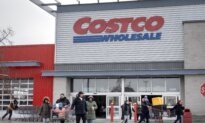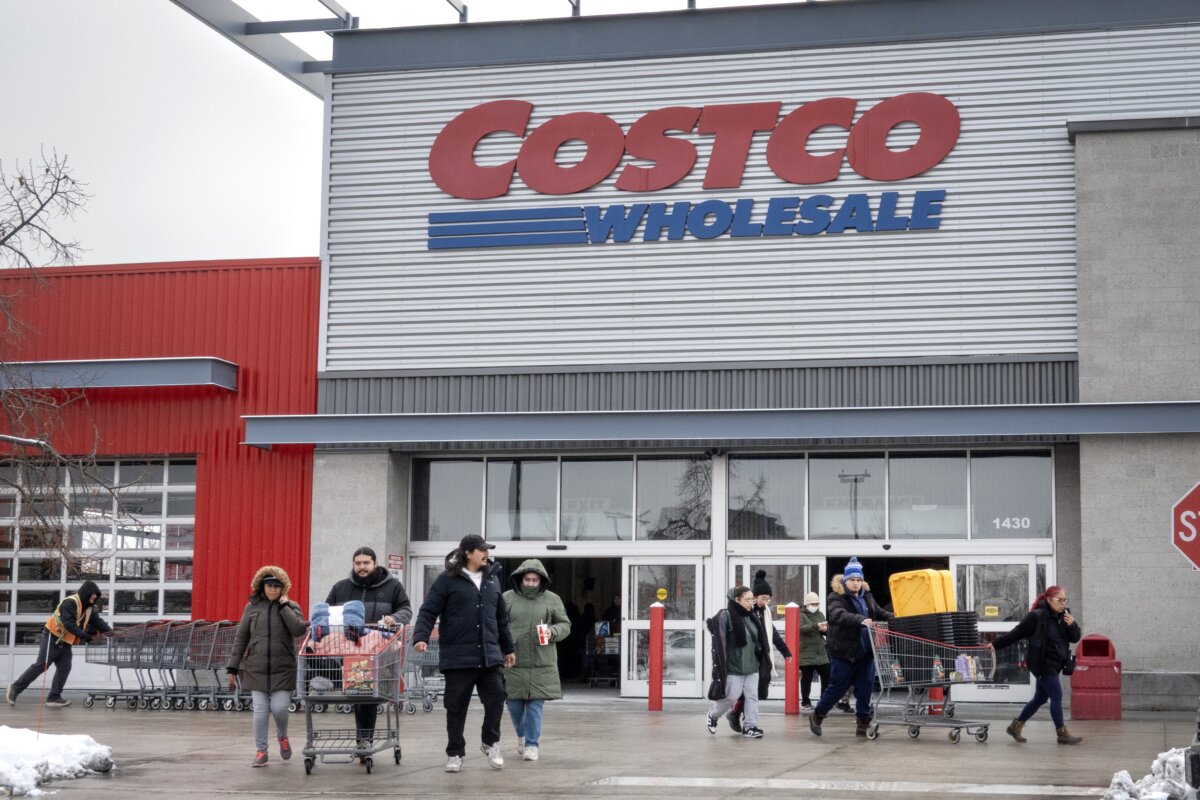

Costco will pass any tariff refunds it might receive back to members through lower prices, CEO Ron Vachris said, although the timeline and even the likelihood of repayments remain uncertain.
Vachris made the pledge during Costco’s quarterly earnings call on March 5, as importers across industries pursue tens of billions of dollars in refunds after the U.S. Supreme Court ruled that President Donald Trump exceeded his authority when he used an emergency power to impose global tariffs aimed at reducing trade deficits.
Costco is among the companies that have filed a lawsuit in the U.S. Court of International Trade (CIT) seeking repayment of duties collected under Trump’s sweeping tariffs. If Costco ultimately secures refunds through that litigation, Vachris said, members would see the benefit.
“Regarding tariff refunds, it is not yet clear what the process will be, what refunds, if any, will be received, and when this will happen,” Vachris told investors during the call.
“As we’ve done in the past, when legal challenges have recovered charges passed on in some form to our members, our commitment will be to find the best way to return this value to our members through lower prices and better values.”
A day after the high court struck down the tariffs, Trump imposed fresh 10 percent import duties under what is known as Section 122, a statute that authorizes the president to levy global tariffs of up to 15 percent to address “fundamental international payments problems.” The tariffs can remain in place for up to 150 days and would require congressional approval to extend beyond that period.
U.S. Treasury Secretary Scott Bessent has said the rate was “likely” to be raised to the 15 percent maximum in the coming days.
In the meantime, Costco has already taken several steps to manage the impact of tariffs on its pricing, including shifting the countries of origin for certain items, consolidating global purchases, and leaning more heavily on its Kirkland Signature private-label brand, according to Vachris. Those measures, he said, should give the wholesaler an edge as the new tariffs replace the overturned, national emergency-based ones.
“We believe our expertise in buying and our limited SKU-count (Stock Keeping Unit) model puts us in a position to manage this as well as anyone,” Vachris said.
The call came days after the CIT issued an order stating that “all importers of record” were “entitled to benefit” from the Supreme Court ruling. The order offered some clarity on how refunds may be handled, an issue the Supreme Court did not mention in its decision.
The CIT order followed a federal appeals court’s rejection of a Trump administration request to delay the refund process by 90 days. In that request, government lawyers warned that the process “will take time,” pointing to a 1998 case in which U.S. importers won a $730 million refund in the CIT, but it took years for the government to fully distribute the money.
The new Section 122 tariffs, meanwhile, are facing a new round of legal challenge from a coalition of attorneys general from 24 mostly Democrat-led states. The lawsuit argues that Section 122 has never been invoked and can be used only under limited circumstances—such as to address “large and serious balance-of-payments deficits” and prevent an “imminent and significant depreciation of the dollar,” and that the president’s stated rationale does not meet those requirements.
The Trump administration says the use of Section 122 is justified.
“The President is using his authority granted by Congress to address fundamental international payments problems and to deal with our country’s large and serious balance-of-payments deficits,” a White House spokesperson said in a statement to The Epoch Times. “The Administration will vigorously defend the President’s action in court.”
 Friends Read Free
Copy
Facebook
Tweet
Friends Read Free
Copy
Facebook
Tweet