

Disney has agreed to pay $10 million to settle a complaint alleging that the company unlawfully collected children’s personal data, the Federal Trade Commission (FTC) said in a Sept. 2 statement.
The Sept. 2 complaint against Disney, filed by the Department of Justice after being notified by the FTC, alleged that the company violated the Children’s Online Privacy Protection Act (COPPA) by failing to properly label some videos that it uploaded to YouTube as “Made for Kids,” the FTC said in a statement.
COPPA requires websites, apps, and other online services directed at children under 13 to notify parents about the personal data they collect and obtain verifiable parental consent before collecting such information, the agency said.
YouTube requires content creators to clearly specify whether the videos uploaded to the platform are “Made for Kids” or “Not Made for Kids” to comply with COPPA, according to the statement. When designated as “Made for Kids,” YouTube disables some video features, such as the collection of personal information and serving personalized ads.
“The mislabeling allowed Disney, through YouTube, to collect personal data from children under 13 viewing child-directed videos and use that data for targeted advertising to children,” the FTC said in the statement.
“Disney receives a portion of the revenues that YouTube generates from advertising placed with Disney videos and revenues from advertising that Disney sells directly. The mislabeling also exposed children to age-inappropriate YouTube features like autoplay to videos not ‘Made for Kids.’”
The proposed settlement mandates Disney to pay $10 million as a civil penalty for the alleged COPPA violation.
Disney is also required to set up a program to review whether the videos posted on YouTube should be designated as “Made for Kids,” it added.
“This settlement does not involve Disney-owned and operated digital platforms but rather is limited to the distribution of some of our content on YouTube’s platform,” a Disney spokesperson said. “Disney has a long tradition of embracing the highest standards of compliance with children’s privacy laws, and we remain committed to investing in the tools needed to continue being a leader in this space.”
Protecting Children’s Data
According to the FTC, YouTube had informed Disney in mid-2020 that it had changed the designations of more than 300 Disney videos to “Made for Kids” from “Not Made for Kids.”
Even after this notification, Disney failed to properly designate certain videos as “Made for Kids,” the FTC said.
“This case underscores the FTC’s commitment to enforcing COPPA, which was enacted by Congress to ensure that parents, not companies like Disney, make decisions about the collection and use of their children’s personal information online,” FTC Chairman Andrew N. Ferguson said. “Our order penalizes Disney’s abuse of parents’ trust, and, through a mandated video-review program, makes room for the future of protecting kids online—age assurance technology.”
Lawmakers are considering strengthening COPPA rules.
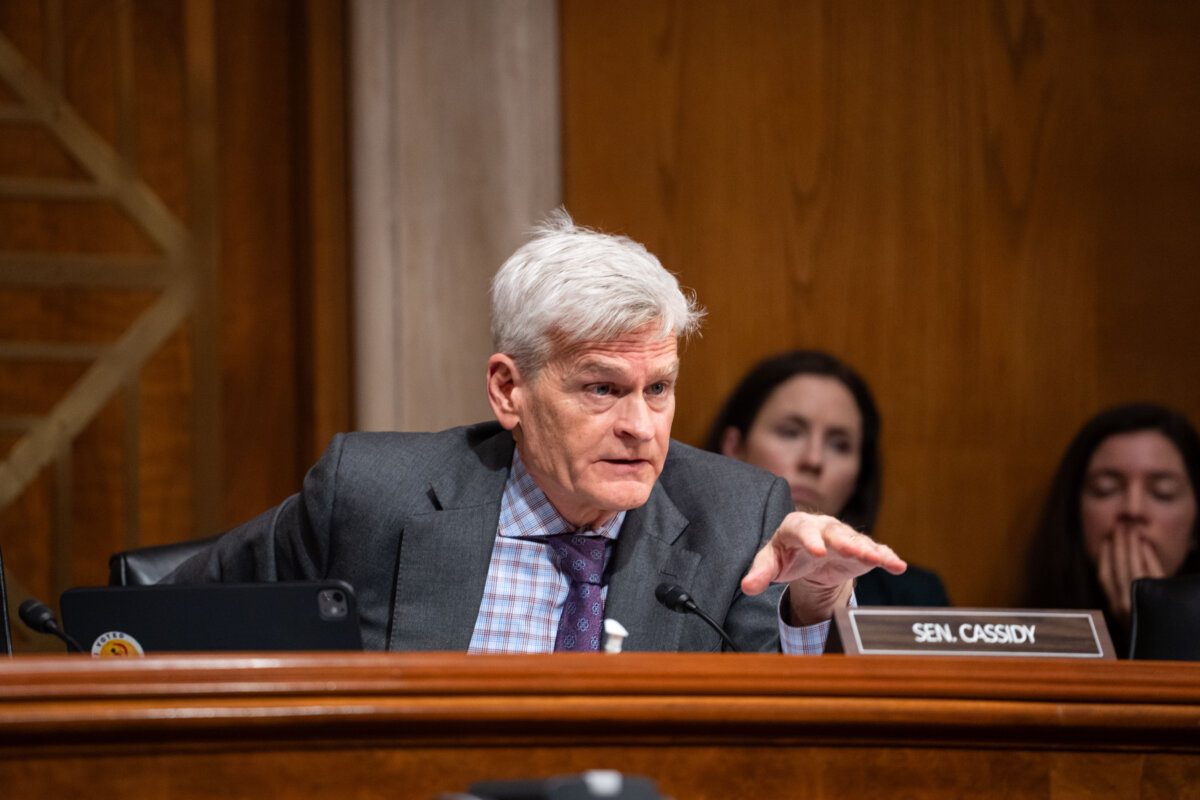
In March, Sens. Ed Markey (D-Mass.) and Bill Cassidy (R-La.) reintroduced the bipartisan Children and Teens’ Online Privacy Protection Act (COPPA 2.0), according to a March 4 statement from Markey’s office.
The bill seeks to ban advertising aimed at children and teenagers, bar internet companies from collecting personal information from individuals aged 13 to 16 without consent, and require companies to let users delete personal information collected from a child or teenager.
“We need strong modern legislation that keeps pace with the ever-evolving digital landscape and creates a safer online environment by addressing the youth mental health crisis and protecting the personal information of our kids,” Markey said at the time.
“Congress must finally pass my Children and Teens’ Online Privacy Protection Act to extend these protections to teenagers, block targeted advertising to kids and teens, and give parents of young people an eraser button to protect them from predatory data collection practices.”
Reuters contributed to this report.
 Friends Read Free
Copy
Facebook
Tweet
Friends Read Free
Copy
Facebook
Tweet