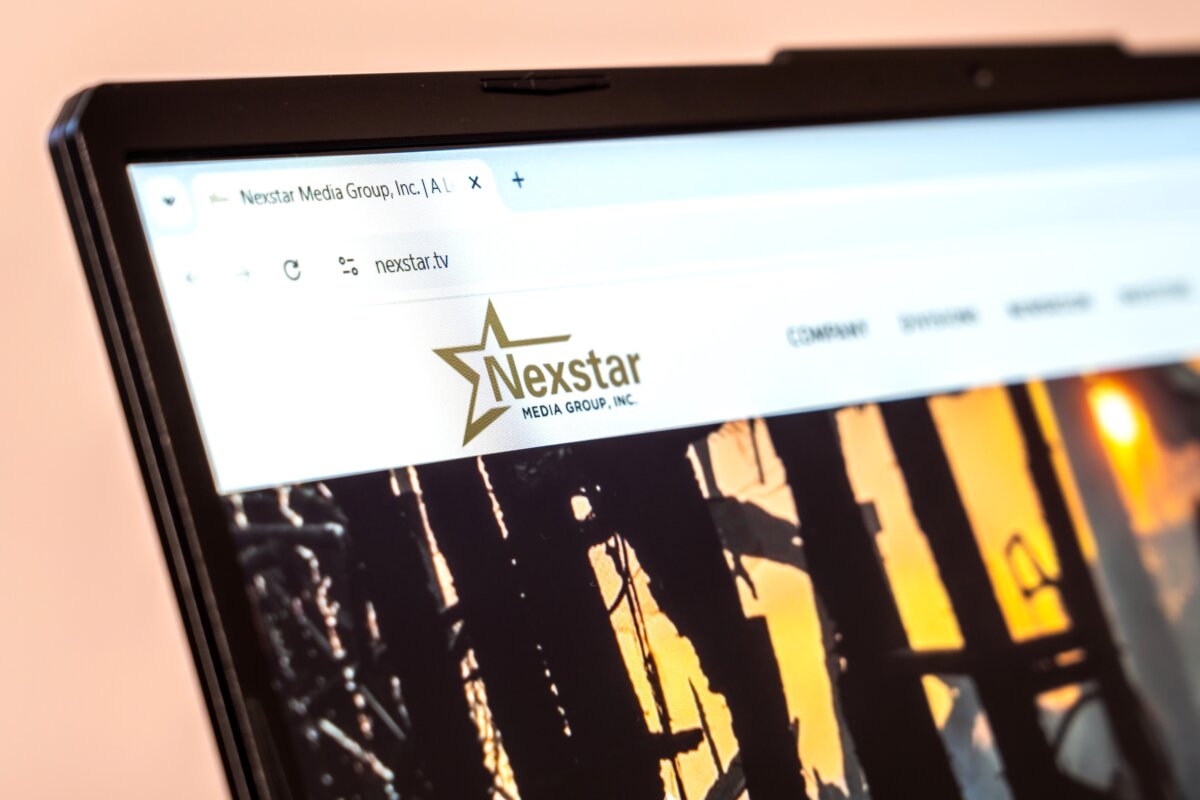

The Federal Communications Commission (FCC) on March 19 approved Nexstar’s $6.2 billion purchase of local broadcast station owner Tegna amid legal challenges from eight states opposing the deal.
FCC said the deal would enable “broadcast TV stations to counter the growing power that national programmers have amassed in recent years,” while allowing Nexstar to own less than 15 percent of TV stations.
“By approving this transaction, which allows Nexstar to own less than 15 percent of television stations, the FCC acts mindful of the media marketplace that [exists] today—not the one from decades past—and the agency ensures that these broadcasters have the resources to continue investing in their local news operations,” FCC Chairman Brendan Carr said in a statement.
Carr said in a post on X that Nexstar had committed to “certain concrete conditions” as part of the transaction, including “divesting a number of stations, increasing localism, and affordability steps.”
“For years, the FCC stood idly by while trusted sources of local news and information went out of business,” he said. “Today, the FCC acts to empower some of those broadcast TV stations. It does so by approving the combination of Nexstar and TEGNA TV stations.”
Nexstar later announced that it had closed the deal with Tegna following approval from the FCC and the Justice Department. Nexstar CEO Perry Sook said the deal is “essential to sustaining strong local journalism in the communities we serve.”
“By bringing these two outstanding companies together, Nexstar will be a stronger, more dynamic enterprise—better positioned to deliver exceptional journalism and local programming with enhanced assets, capabilities, and talent,” Sook said in a statement.
The FCC approval came just a day after a coalition of attorneys general from eight states filed a lawsuit to stop the merger, saying it would concentrate local TV ownership and harm consumers.
California Attorney General Rob Bonta, who led the coalition, said the merger would result in the creation of the largest broadcast station group in the United States, “putting more broadcast programming in the hands of fewer people.”
Bonta also warned that the deal would sharply increase concentration in local TV markets and could drive up cable and satellite prices.
The merger was first announced in August 2025, when Nexstar agreed to acquire Tegna in a $6.2 billion cash transaction. President Donald Trump said on Feb. 7 that he supports the merger, as he believed it would create more competition for national networks.
“Those that are opposed don’t fully understand how good the concept of this Deal is for them, but they will in the future. GET THAT DEAL DONE!” Trump stated on social media.
Nexstar already operates more than 200 owned or partner stations in 116 markets and runs national networks including The CW and NewsNation, while also owning the political news outlet The Hill.
According to the filing, the combined company would operate in 132 designated market areas, including nine of the 10 largest U.S. markets and 41 of the top 50.
Bonta was joined in the lawsuit by the attorneys general of Colorado, Connecticut, Illinois, New York, North Carolina, Oregon, and Virginia.
Evgenia Filimianova contributed to this report.
 Friends Read Free
Copy
Facebook
Tweet
Friends Read Free
Copy
Facebook
Tweet