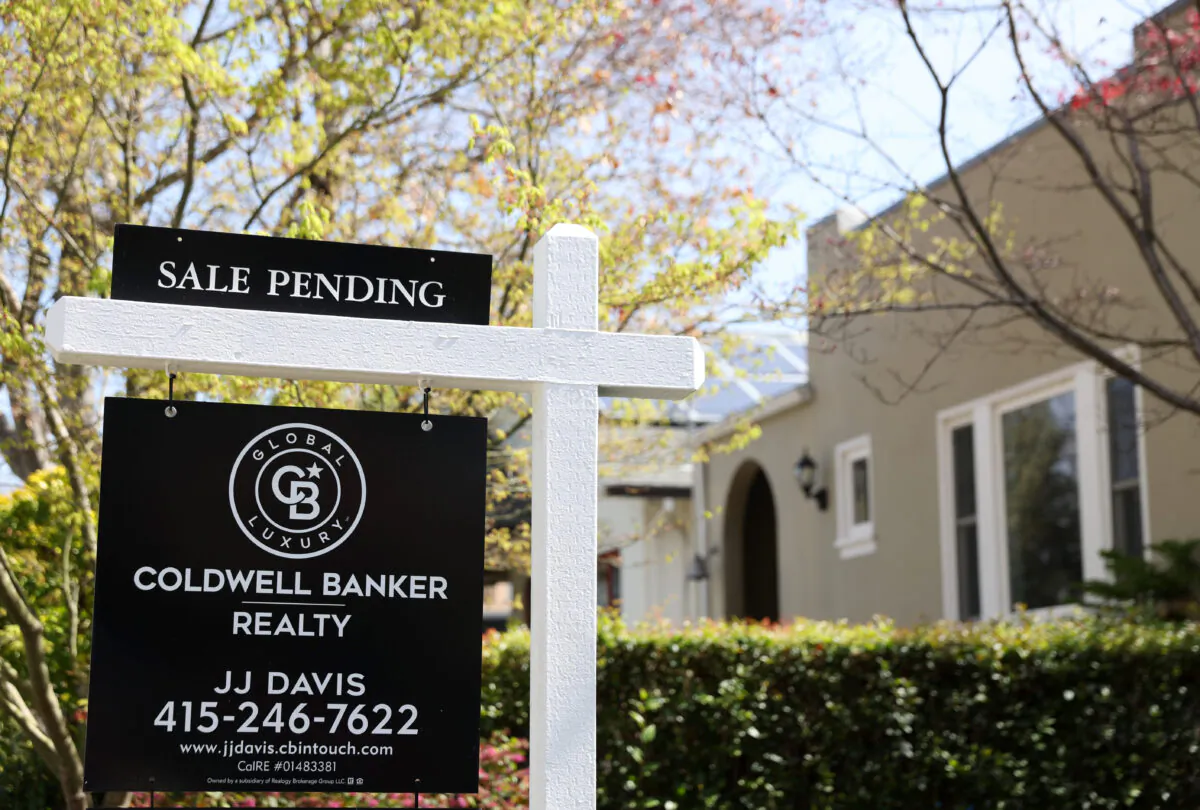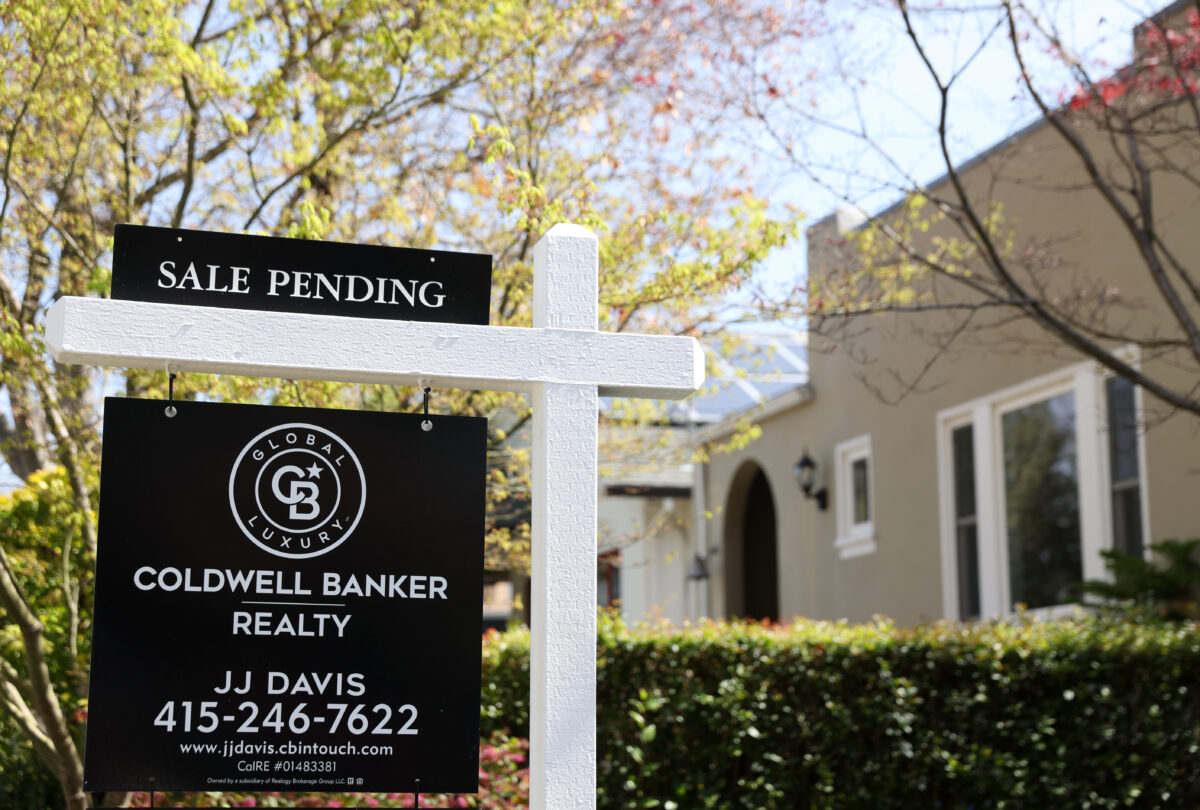

Home sales contract cancellations declined slightly in April, while both property listings and contract signings increased in the first four months of the year, according to two reports.
A May 21 Redfin report indicated home purchase contract cancellations in April saw a slight decline of 0.1 percent from the previous month. Nationally, nearly 47,000 home sale agreements fell though, representing just 13.4 percent of homes under contract that month.
While contract cancellations remain higher than in the early 2020s when inventory was low, the national real estate brokerage noted that April’s numbers tied with January for the lowest number of cancellations since September 2024.
“We’re seeing some buyers cancel purchase agreements, but no more than usual, and when buyers do back out it’s typically because of post-inspection repair costs and appraisals,” Timothy Hourigan, a Syracuse, New York, Redfin Premier agent said in the report.
“Buyers are generally committed because supply is tight enough that they’re excited to find a home they love in their price range. In places like Syracuse, where homes are affordable compared to nearby big cities, bidding wars are more common than backing out.”
The report attributes the dip in April’s contract cancellations to both buyers and sellers gaining a better sense of the current market conditions. On the buying side, potential homeowners may be less likely to back out of a deal, as they have adjusted to higher mortgage rates and monthly payments. For sellers, many have recognized that much of the nation is a buyer’s market and are now willing to negotiate on prices or make other concessions.
The report said cancellations declined month over month in nearly half of the country’s 50 most populated metros. Orlando experienced the biggest decline from 18.5 percent in March to 16.8 percent in April.
Higher-priced regions where inventory is tighter also showed fewer cancellations. Redfin noted that in San Francisco, just 2.8 percent of purchase agreements fell through in April. Nassau County (Long Island), New York, had cancellations at just 3.3 percent, while New York City and Montgomery County, Pennsylvania, both experienced dropout rates of 7.5 percent.
However, cancellations were on the rise in Detroit, along with several Sun Belt states. Detroit saw the largest percentage increase in cancellations from 14.1 percent in March to 16.9 percent in April.
Redfin’s analysis shows that buyers are more likely to have second thoughts about purchasing in Sun Belt metros because they tend to be major buyer’s markets. “In Atlanta, for example, there are nearly 70 percent more home sellers than buyers, giving buyers the upper hand and allowing them to back out of deals with peace of mind that there are other homes to choose from,” the report stated.
Meanwhile, a report from Realtor.com released on the same day indicated that the 2026 spring market is accelerating with both new listings and contract signings, increasing to their highest levels since 2022. Nationwide, inventory is up by 1.1 percent compared with the same time last year, and has increased by 22 percent since 2023. Contract signings have also grown by 2.9 percent year-over-year and 4.1 percent compared with 2023.
Overall, the report shows that 34 of the country’s top 50 metros have recorded more contract signings in the first four months of this year than in the same period in 2024, and 31 have seen more new listings compared with the same period last year.
“This spring looks different, or at least more promising so far,” Realtor.com senior economist Jake Krimmel said in the report. “For the first time since that reset, 2026 signings are running consistently above the prior three-year cluster, not necessarily by a dramatic margin, but at a clip that has been slightly widening as the year has progressed.”
Despite overall conditions appearing to be improving this spring, Krimmel cautions that the housing market is “not out of the woods yet.” He predicts the next two months will be critical in determining whether the spring 2026 market will represent a full recovery.
“The path to an unstuck market runs through buyer activity. And so far, the housing market has beaten low expectations this spring, leaving us cautiously optimistic about sales in the key volume months of May and June,” he said.
 Friends Read Free
Copy
Facebook
Tweet
Friends Read Free
Copy
Facebook
Tweet