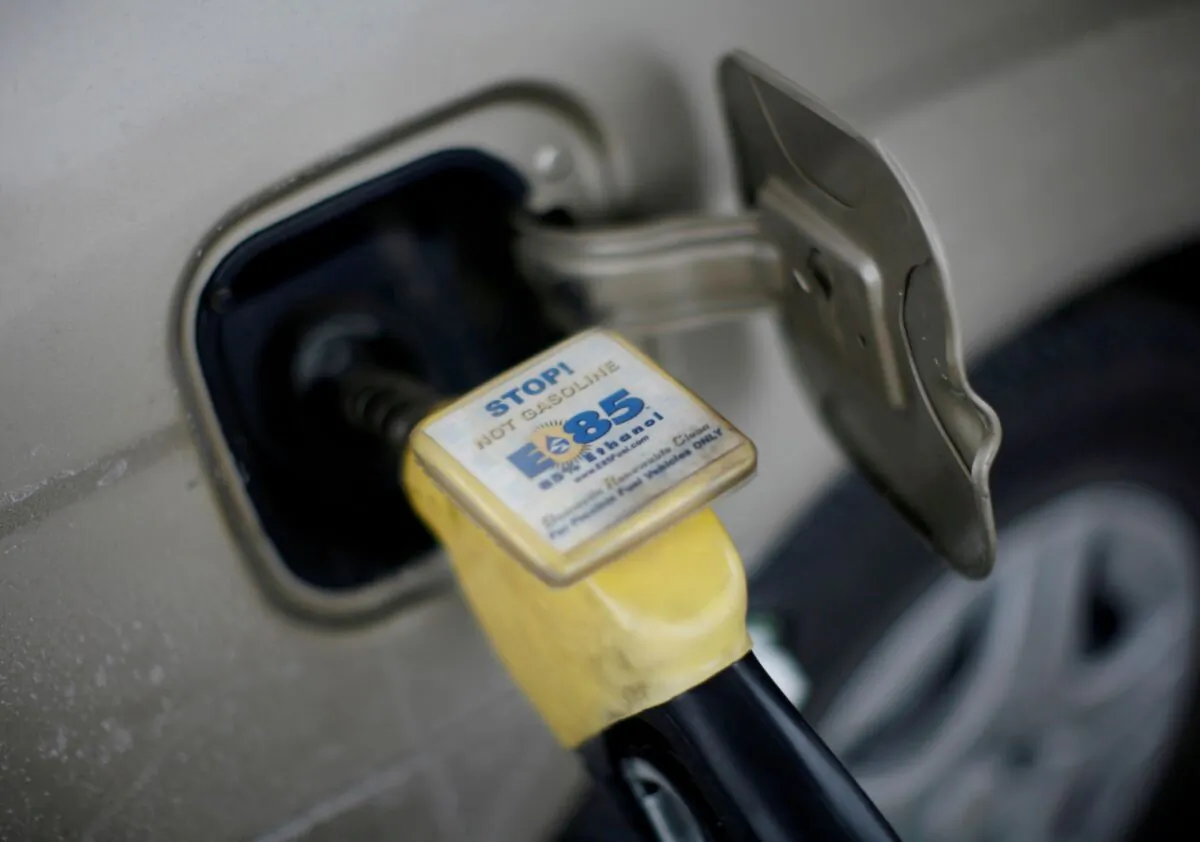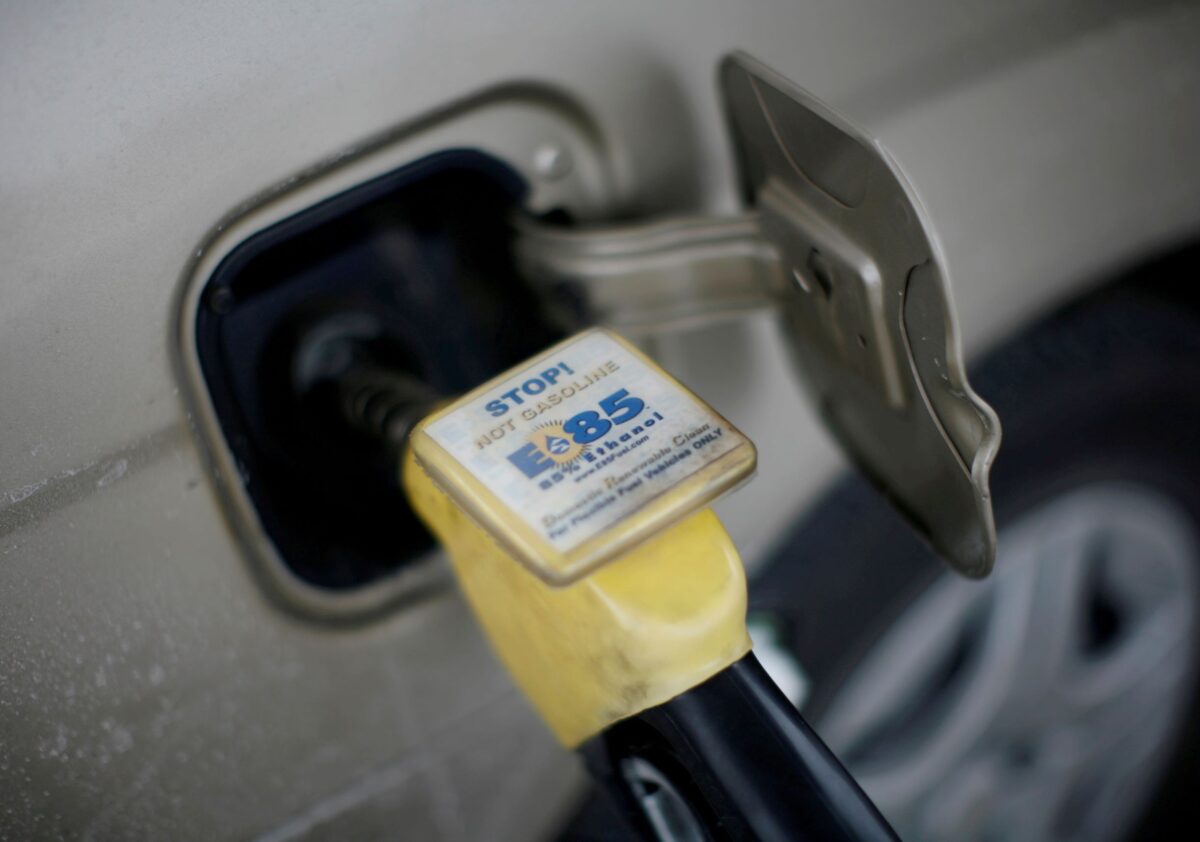

The IRS and the Department of the Treasury have proposed regulations regarding how businesses producing clean fuels, such as biofuels, can secure tax credits, in line with updates made under the One Big Beautiful Bill Act (OBBB), the IRS said in a Feb. 3 statement.
“The clean fuel production credit provides businesses an income tax credit for clean transportation fuel produced domestically after Dec. 31, 2024, and sold by Dec. 31, 2029,” the agency said.
The credit, referred to as 45Z, was introduced under the Inflation Reduction Act during the Biden administration, applicable for 2025–2027. The OBBB, signed by President Donald Trump in July 2025, extended the term period to 2029 and introduced several changes to the credit program.
Latest regulations from the IRS and Treasury “provide guidance on the determination of clean fuel production credits, emissions rates, and certification and registration requirements,” the agency said, adding they provide “further certainty and clarity” for taxpayers.
According to the proposal, published in the Federal Register, a taxpayer must meet certain criteria to claim 45Z credits, including manufacturing the fuel at qualified facilities in the United States.
A qualified facility must be used for the production of transportation fuels. The proposal excludes facilities for which certain other credits, such as producing clean hydrogen, are allowed.
All fuel manufactured after Dec. 31, 2025, must come from feedstock that was grown or produced in the United States, Mexico, or Canada. To qualify for the credit, the taxpayer cannot be a foreign entity, applicable to taxable years after July 4, 2025.
For fuels produced after Dec. 31, 2025, credits are calculated based on a rate of either $0.20 or $1 per gallon. For fuels produced on or prior to this date, the rates can range from $0.20 to $1.75 per gallon.
The credit amount can be calculated by multiplying this per-gallon amount by the “emissions factor” of the fuel. Taxpayers can determine a fuel’s emissions factor by using the annual emissions rate table published by the Treasury secretary.
The Federal Register clarified that the credits will only be available to taxpayers registered as producers of clean fuel at the time of production of the fuel.
The IRS and the Treasury are also concerned about potential abuse of the credits, such as wasteful production of fuel without any intent to use it. The proposal provides for general anti-abuse rules to deal with such situations.
The Treasury and the IRS are accepting written and online public comments on the proposed regulations until April 6, following which, a public hearing is scheduled for May 28.
Industry Responses
In a Feb. 3 statement, the American Soybean Association (ASA), together with the National Oilseed Processors Association, applauded the new guidance, arguing that it would benefit the domestic biofuel value chain.
“Over the past several years, a surge in used cooking oil and tallow imports from overseas has resulted in domestic biofuel markets that no longer prioritize homegrown agricultural feedstocks like soybean and canola oil,” it said.
“Disqualifying those imported waste feedstocks from 45Z eligibility will support U.S. soybean farmers, the U.S. oilseed processing industry, and rural communities that stand to benefit from a strong, domestic biofuel value chain.”
The Renewable Fuels Association welcomed the proposed 45Z credit rules in a Feb. 3 statement. The proposal is a “step in the right direction,” providing ethanol producers with the clarity and certainty they sought on the matter, CEO Geoff Cooper said.
However, some questions remain, such as those related to implementing the prohibitions on foreign feedstock, Cooper said.
In addition, “ethanol producers are anxiously awaiting a new, revised version of the 45ZCF-GREET model, which will help shed light and provide clearer direction on several critical issues,” he said.
45ZCF-GREET is a model used by the Treasury to calculate emissions reduction percentages under the clean fuel production credit program.
 Friends Read Free
Copy
Facebook
Tweet
Friends Read Free
Copy
Facebook
Tweet