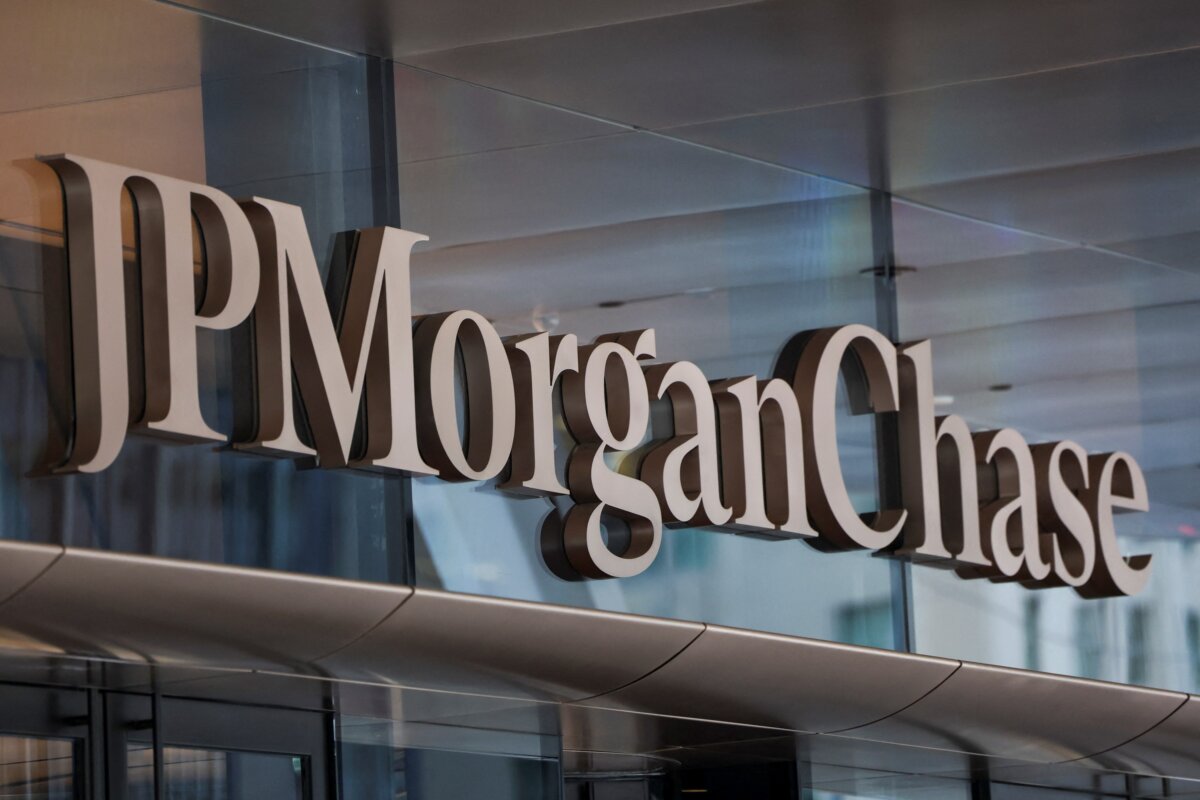

JPMorgan Chase said on Monday that it has deployed billions in financing over the past year for U.S. industries critical to national security.
The world’s largest bank launched a $1.5 trillion campaign in October 2025—the Security and Resiliency Initiative—to invest in companies specializing in defense, energy, manufacturing, and supply chains.
A year later, JPMorgan said it has invested about $230 billion to support these firms.
This includes $5 billion in equity investments through its Strategic Investment Group.
The capital will help a wide range of companies grow, expand, or innovate to bolster next-generation defense technologies, automate manufacturing, or distribute battery storage.
These efforts will bring together funding, research capacity, investment expertise, and policy insight to reinforce American economic resilience, JPMorgan Chase CEO Jamie Dimon said.
“Strong economies and national security don’t happen by accident. They require investment in critical infrastructure, manufacturing, energy, defense, and innovation, as well as policies that encourage growth,” Dimon said.
Industry competitors are also engaged in similar initiatives.
Morgan Stanley launched a $1.5 trillion program in August to facilitate infrastructure and tech investments over the next decade.
Bank of America announced this past summer that it plans to invest $250 billion by July 2027 to support domestic digital and infrastructure projects.
Reversing the Savings Glut
Over the past 18 months, investment in the United States has surged.
The White House estimates that hundreds of investments worth more than $11 trillion have been committed across a diverse range of industries, including artificial intelligence (AI), energy, manufacturing, and pharmaceuticals.
This trend is reversing the global savings glut—an imbalance in which savings exceed desired investment and bring down inflation-adjusted interest rates—that has persisted since the Global Financial Crisis, says Federal Reserve Chairman Kevin Warsh.
AI has been at the center of the investment boom, but Warsh says it is broadening out.
“A surge of investment is broadening,” Warsh said during a fireside chat in Thailand last week for the International Monetary Fund-World Bank Annual Meetings.
“It means we’ve got plenty of tailwinds that are giving some strength and durability to this economy. That sort of momentum is certainly not found everywhere in the world.”
Robust business investment has supported global economic resilience and will help make economies more productive and wealthier, he said.
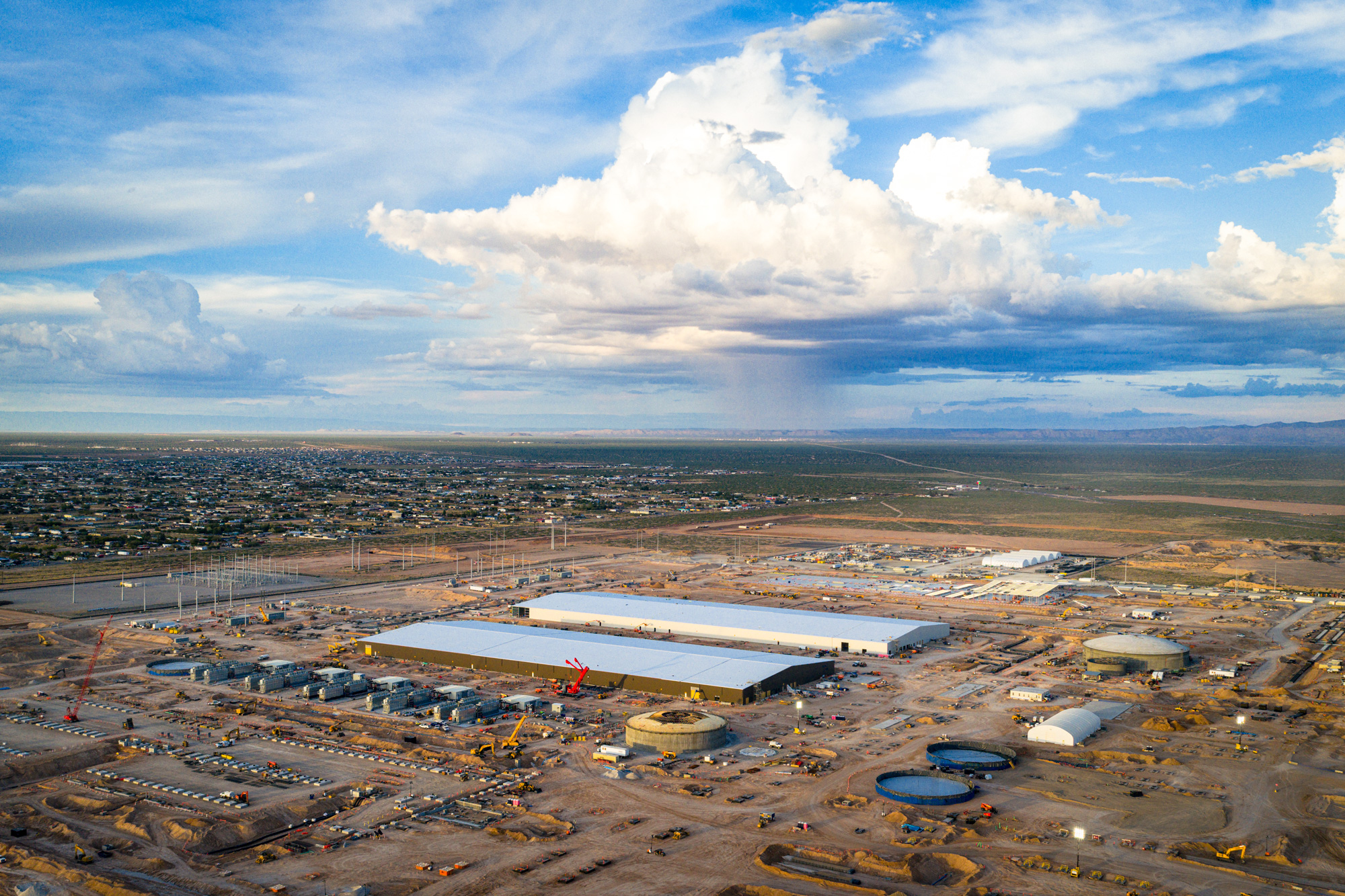 Meta’s El Paso data center in El Paso, Texas, on Aug. 13, 2026. (Brandon Bell/Getty Images)
But while widespread investment is supporting growth prospects, it is also pushing interest rates higher because of capital competition.
The Treasury Department plans to borrow about $1.4 trillion over the next six months.
At the same time, the leading AI hyperscalers—Alphabet, Amazon, Meta Platforms, and Nvidia—are issuing billions of dollars in bonds to finance the infrastructure buildout.
Goldman Sachs estimates the hyperscalers account for 40 percent of AI-related debt issuance this year.
Meanwhile, both sides are competing for cash in capital markets, and investors are demanding greater compensation for long-term lending.
This also raises fears that higher borrowing costs could eventually weigh on inflation-weary consumers. Since they represent two-thirds of the economy, growth could take a hit.
Jeff Buchbinder, chief equity strategist at LPL Financial, is not worried about adverse effects on the wider economic landscape.
“With capital investment in AI infrastructure set to increase in 2027 and expected to drive another year of strong earnings growth, and consumers maintaining spending on the back of a very positive wealth effect and limited interest rate sensitivity, a recession is probably not in the cards for 2027,” Buchbinder said in an emailed note to The Epoch Times.
 Friends Read Free
Copy
Facebook
Tweet