
Commentary
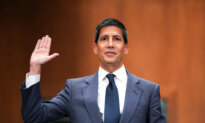
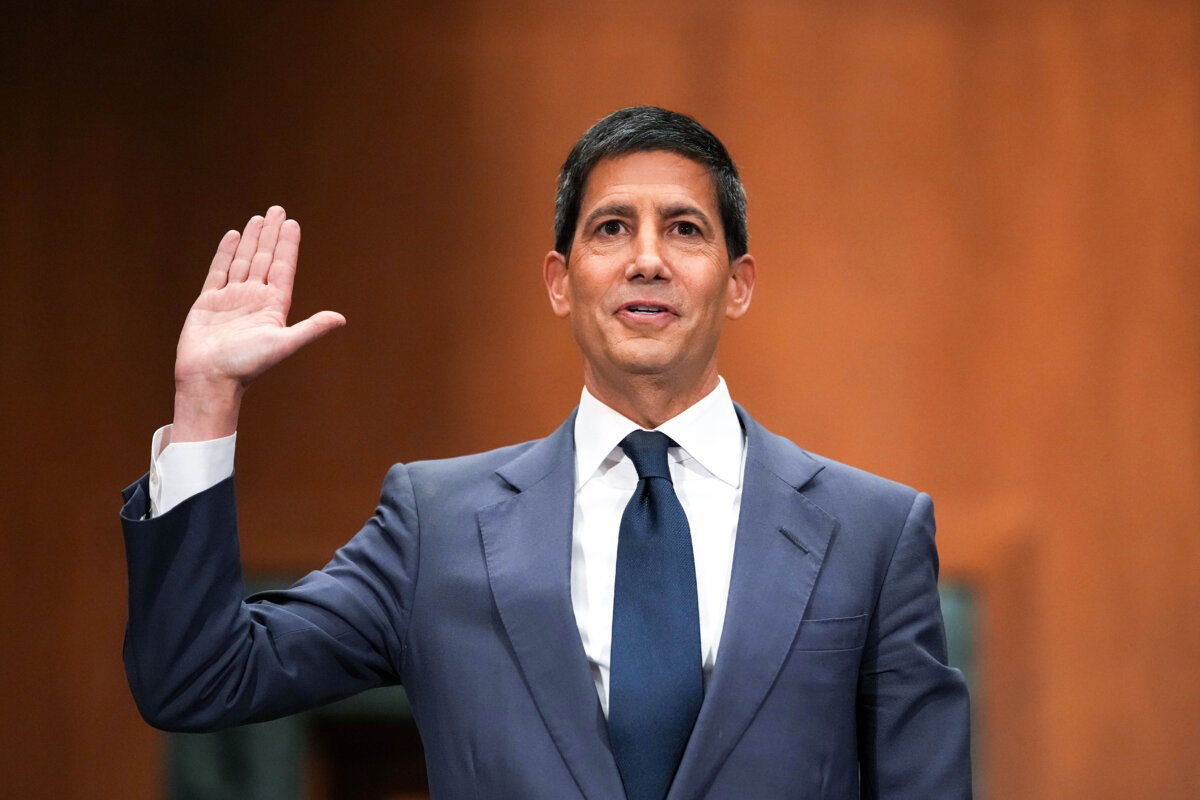
Fed Chair Jerome Powell’s second four-year term ends May 15th, and Senate hearings for incoming Fed Chair Kevin Warsh are nearing a positive conclusion, despite some comic moments – like the time when Senator Elizabeth Warren called Warsh a “sock puppet” for President Trump. Warsh responded calmly about the importance of maintaining an independent Fed, but we know Warsh is not a fan of quantitative easing and he plans to shrink the Fed’s balance sheet. I’d say Kevin Warsh will likely be confirmed soon.
If the Fed needs a good reason to cut rates in a hurry, it will likely come from new dangers in the shadow banking system, namely the $3 trillion private credit industry. Last week, Blackstone reported a 25% earnings increase, but its private credit funds delivered zero net returns after fees, and its portfolio of bank loans lost 1.4%. This tells me the private credit industry is now “eating its losses,” rather than passing them on to investors. If investors lose money in any private credit fund, it may decimate that industry.
The economy seems to be reviving: The Commerce Department reported retail sales soared 1.7% (month over month) in March, better than the economists’ consensus estimate of 1.4% and the strongest monthly increase in retail sales since January 2023. However, a good share of this gain came from inflated energy prices, since gasoline sales surged 15.5% in March, due almost entirely to higher prices. However, if you exclude auto and gasoline sales, retail sales still rose 0.6% in March, double the economists’ consensus estimate of 0.3% gains. Nearly every category improved in March, so consumer spending is picking up.
Here are the most important developments recently and what they mean:
– The Naval blockade on Iran is reaching a critical point, since Iran has minimal storage facilities, so its oil wells will have to be capped soon. Once Iran’s oil wells are capped, it could take months to reactivate these wells. The Wall Street Journal reported that Iran is struggling to store unsold crude oil and is now putting it in old tanks. If Iran has to cap its crude oil wells, it will curtail production for months, since restarting oil wells takes a lot of engineering. So, it will be interesting if the infighting within Iran will eventually result in economic sanity. The goal of the Naval blockade remains to cut off funds to the Iranian Republican Guard Corps (IRGC).
– It is obvious that crude oil prices are expected to remain high, since even if the Strait of Hormuz reopens, world energy and fertilizer markets have been profoundly impacted. I am now not expecting any crude oil price relief until October, when worldwide demand has its normal seasonal decline. Ironically, higher prices are good for stock markets around the world, since commodity-related stocks can act as an inflation hedge.
– As further evidence that the U.S. now controls worldwide crude oil prices, the United Arab Emirates (UAE) announced that it was leaving OPEC, which is a blow to Saudi Arabia. The UAE has complained for several years about crude oil quotas, so its departure from OPEC is not too much of a surprise. So it appears that if and when the Strait of Hormuz is reopened that UAE will be boosting its crude oil exports.
– Since five of the Magnificent Seven stocks are reporting this week, earnings announcements and guidance are expected to overpower Wall Street. All I can tell you is that order backlogs have become a big deal for data center-related companies, since they continue to grow. Although there is a pushback against data centers, in the U.S., the vast majority of states are still allowing data center construction. Since data centers tend to go where there is fast internet, cheaper electricity, and cold climates to vent heat at night, Georgia, Idaho, Kansas, Louisiana, Michigan, Nevada, North Carolina, Pennsylvania, South Carolina, South Dakota, Tennessee, Texas, Utah, and Virginia are all big winners from the data center boom.
In summary, the bottleneck at the Strait of Hormuz remains a problem for the rest of the world, since the U.S. is largely unaffected, with the exception of California, which imports up to 30% of its gasoline from India and South Korea. Meanwhile, the AI theme is very much alive and well, and this will be confirmed with this week’s important earnings by the biggest spenders on data centers. I do not expect the data center boom to slow down since there are simply too many states welcoming the data center boom.
 Friends Read Free
Copy
Facebook
Tweet
Friends Read Free
Copy
Facebook
Tweet