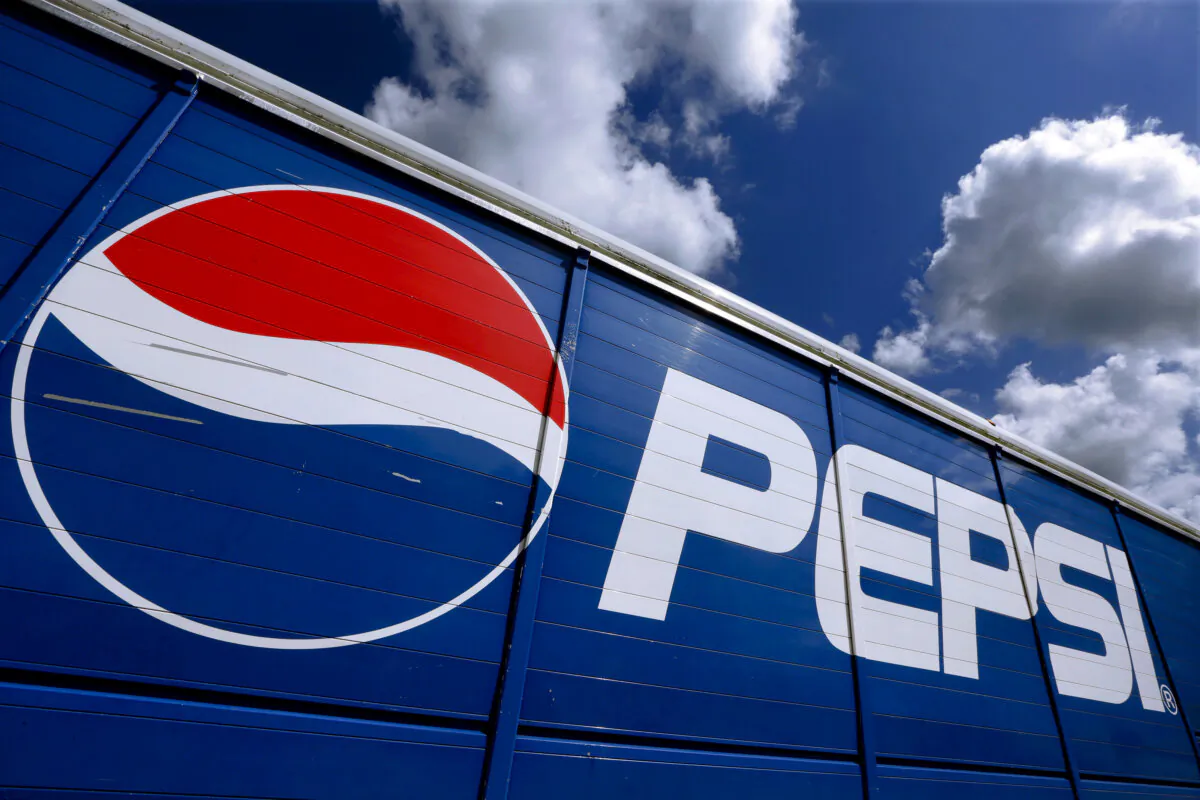

PepsiCo signaled that it could raise prices on some products as it tries to offset a new wave of input-cost inflation, even after earlier price cuts helped revive demand for its snacks in North America.
The maker of Lay’s, Doritos, Pepsi, and Gatorade posted its third-quarter results on Thursday, saying its strategy of improving affordability has helped turn around U.S. snack volumes.
During an earnings call, CEO Ramon Laguarta said PepsiCo had gone from a low-single-digit decline in U.S. snack volumes to positive growth in both volume and unit sales, while also gaining market share.
That improvement, he said, gives the company more flexibility to respond to rising costs for energy, agricultural commodities and other inputs.
Rather than relying solely on higher prices, PepsiCo is planning to use a combination of pricing, changes in its product and package mix, and additional cost savings to absorb inflation.
“We’re going to see a mix of net revenue management tactics that will impact some pricing, but also mix, and all the decisions that we can make around that,” Laguarta told analysts during the call.
The approach represents a balancing act for PepsiCo. Earlier this year, the company promised to cut prices by as much as 15 percent on products including Lay’s and Doritos in an effort to rebuild sales volumes after consumers pulled back following several years of price increases.
North America Remains Under Pressure
The pricing challenge comes as PepsiCo’s international operations continue to outperform its North American business.
International organic revenue, which strips out acquisitions, divestitures, and currency effects, increased 8 percent, marking the 22nd consecutive quarter of at least mid-single-digit growth.
In the home market of North America, however, food volumes were roughly flat from a year earlier, while beverage volumes declined 2 percent.
Even as sales volumes improved for salty and savory snacks, PepsiCo’s North American food division reported a slight decline in organic revenue.
The beverage division posted 5 percent growth in reported revenue, but much of that increase came from acquisitions. Organic revenue in the division still declined slightly.
Profit margins also remained under pressure as PepsiCo spent more to support its brands and improve affordability.
The company received $178 million in tariff refunds during the third quarter, providing a temporary boost to operating profit. Productivity savings and higher prices also helped results.
Those benefits, however, were offset by higher operating costs and increased advertising and marketing expenses.
“In North America, we remain committed to improving growth and core operating margin. However, it is taking more time than we planned,” CFO Steve Schmitt told investors in prepared remarks.
“Therefore, we expect North America’s core operating margin performance to remain under pressure in the fourth quarter.”
Companywide, PepsiCo’s core operating margin fell 35 basis points from a year earlier to 16.9 percent in the third quarter.
Through the first nine months of the year, core operating margin stood at 16.5 percent, down 25 basis points.
The deterioration contrasts with a target PepsiCo announced last December to improve margins by at least 100 basis points over three years.
PepsiCo now expects fiscal 2026 net revenue to increase about 6 percent, at the high end of its previous range of 4 percent to 6 percent. Organic revenue is expected to grow about 3 percent.
But the company cut its outlook for core earnings per share growth. On a constant-currency basis, core EPS is now expected to increase just 1 percent to 2 percent, compared with the previous forecast for growth at the low end of a 4 percent to 6 percent range.
 Friends Read Free
Copy
Facebook
Tweet
Friends Read Free
Copy
Facebook
Tweet