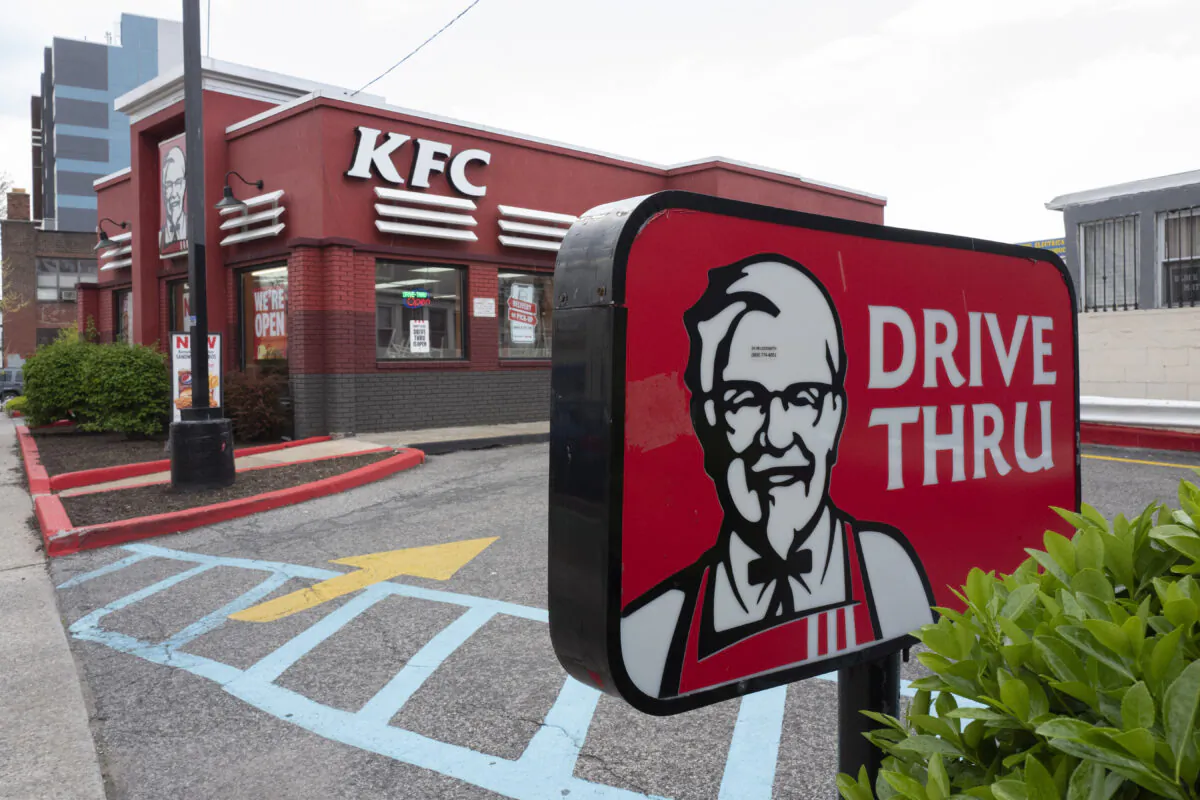

KFC is switching from PepsiCo to Coca-Cola in its U.S. restaurants, ending a beverage partnership that dates back nearly 40 years.
Beginning in January 2027, KFC will start transitioning its U.S. beverage lineup to Coca-Cola products, with the rollout expected to reach all of its roughly 3,700 U.S. restaurants by spring, the companies announced Oct. 15.
Specific financial terms of the agreement were not disclosed.
“I’m incredibly excited to bring KFC and Coca‑Cola together. These are two of the greatest originals, with deep consumer love and a shared belief that the best brands continue to evolve,” KFC U.S. President Catherine Tan-Gillespie said in a statement.
The switch marks a significant shift for the fried chicken chain, which was once owned by PepsiCo.
The soft drink giant bought KFC in 1986 and continued supplying beverages to its restaurants even after spinning off KFC, Pizza Hut, and Taco Bell in 1997 into the company that eventually became Yum Brands.
PepsiCo remains the supplier to Taco Bell and KFC restaurants outside the United States.
KFC Aims to Boost US Sales
The beverage change is part of a broader effort by KFC to regain ground in the increasingly competitive home market.
While KFC has continued expanding internationally, its domestic business has struggled as competitors including Chick-fil-A, Popeyes, and Wingstop have gained customers.
The chain has also been shrinking its U.S. footprint. Yum Brands reported that 161 KFC restaurants closed in the United States throughout 2025, and its most recent quarterly report unveiled that another 112 closed by the end of June 2026.
After accounting for new restaurant openings, KFC had a net decline of 99 U.S. locations in the first half of this year.
KFC has responded with what it calls its “Kentucky Fried Comeback,” which includes new restaurant designs, expanded chicken-tender and sauce offerings, and a greater emphasis on beverages.
Last month, the company opened an experimental restaurant in McKinney, Texas, called Open House. The location is testing breakfast, later operating hours, and an expanded drink menu that includes iced coffee, boba-filled refreshers, and milkshakes.
Beverages have become an increasingly important part of KFC’s strategy for attracting younger customers.
“We know that for Gen Z, drinks choice is key when deciding where to eat,” Dhiren Karnani, KFC’s global head of food and experience, said last year.
PepsiCo Loses a Longtime Customer
The loss of KFC’s U.S. business comes as PepsiCo works to turn around its North American beverage and snack operations amid weak demand and rising costs.
Earlier this month, PepsiCo signaled that it could selectively raise prices as it seeks to improve profit margin, even after earlier price cuts helped improve demand for some of its snack products.
For the third-quarter, PepsiCo said its North American beverage volumes declined 2 percent. Reported revenue for the division rose 5 percent, but much of that growth came from acquisitions, while organic revenue was still a decline.
PepsiCo still supplies several major restaurant chains. In addition to Taco Bell and KFC’s international restaurants, its customers include Subway and Jersey Mike’s Subs.
Coca-Cola, meanwhile, has longstanding relationships with major fast-food chains including McDonald’s and Wendy’s.
 Friends Read Free
Copy
Facebook
Tweet
Friends Read Free
Copy
Facebook
Tweet