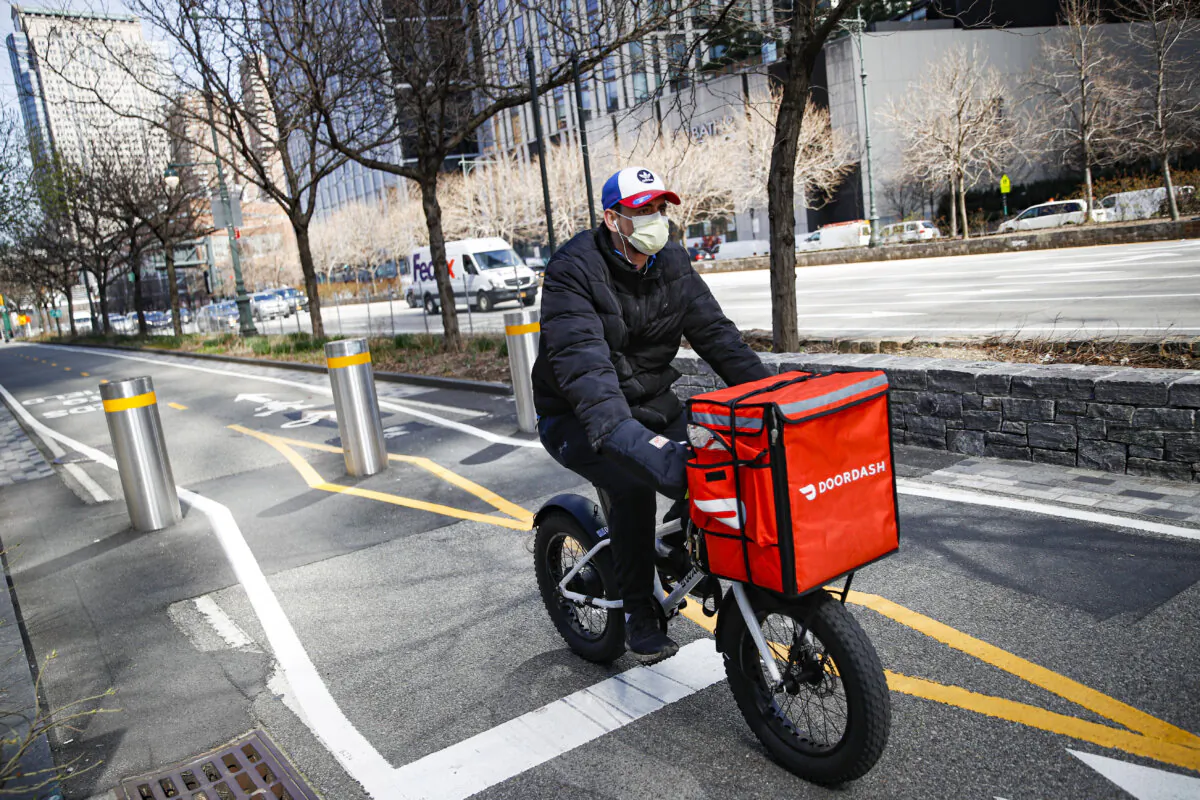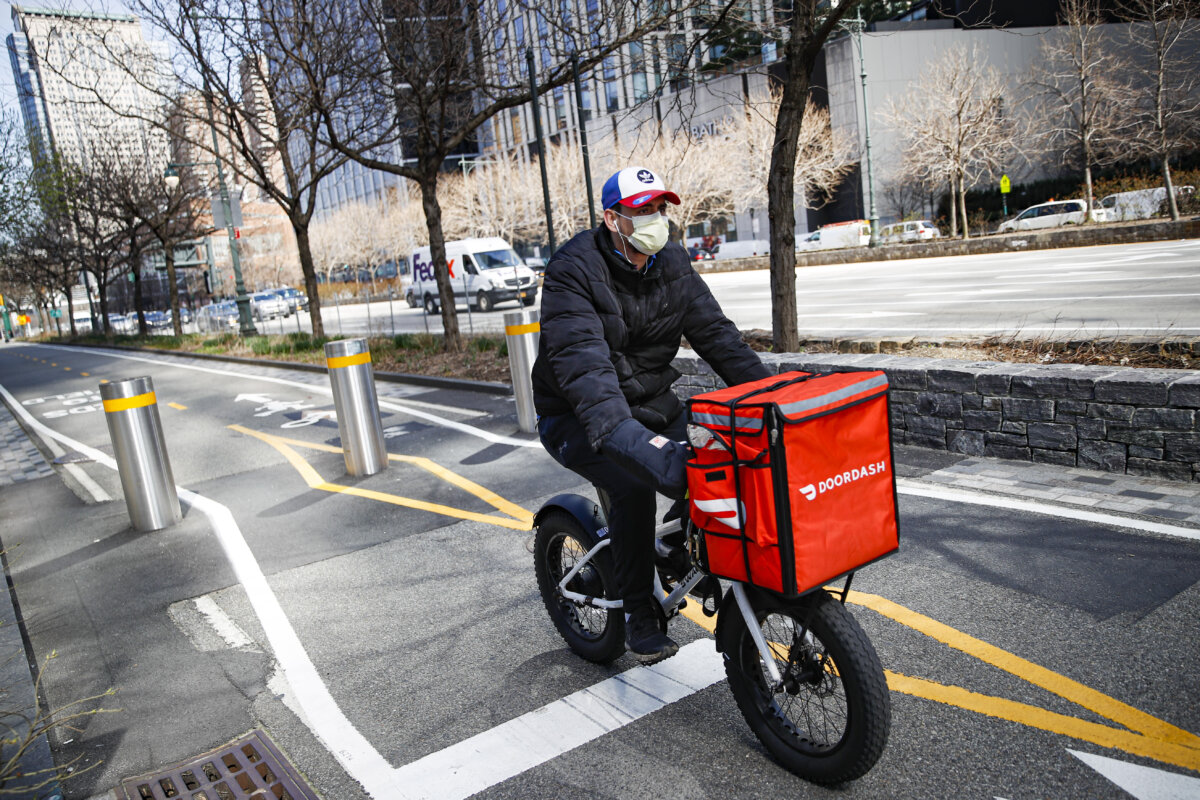

ALSO, a Palo Alto-based Rivian spin-off that builds small EVs, announced on March 30 a strategic partnership with DoorDash to develop and deploy autonomous vehicles.
The multi-year partnership includes an investment in ALSO as part of its $200 million Series C financing round with Prysm Capital and led by Greenoaks.
“I couldn’t be more excited to partner with the team at DoorDash to deploy autonomy in areas not yet fully solved for—at the intersection of roadways, bike lanes and road adjacent spaces. Small autonomous EVs are optimal in these environments and that is what ALSO is building from the ground up,” said Chris Yu, co-founder and president of ALSO.
ALSO creates its small EVs entirely in-house from the ground up and was originally incubated within Rivian before becoming an independent company in March 2025.
According to Rivian, ALSO has a current valuation of $1 billion and has $505 million in total funding after this latest round.
ALSO said it will use this funding to continue its investment in product development, manufacturing, and global deployment of its small vehicles.
As part of the deal, DoorDash co-founder and head of DoorDash Labs Stanley Tang will join ALSO’s board as an observer.
“Last-mile delivery is a physical-world challenge and the details matter, from curb access to making sure an order arrives on time and intact,” Tang said. “ALSO is building purpose-built EVs that are designed to unlock new ways to meet customers and merchants where they are. We’re excited to invest and partner with them as we look to scale autonomous delivery.”
ALSO introduced its Alpha Wave Helmet alongside its first two EVs in October 2025; the TM-B electric bike, which Rivian said is set to launch to the public this spring; and the four-wheel TM-Q electric delivery quad, which is for both consumer and commercial use. ALSO said it has plans to expand these products internationally following their initial release.
Rivian said the TM-Q is able to carry more than 400 pounds while still being able to fit in a bike lane and will likely serve as the foundation for autonomous delivery robots. These vehicles use Rivian’s battery technology and software.
In October 2025, ALSO announced a multi-year partnership with Amazon on a customized version of the TM-Q, with the goal of releasing thousands of them across the United States and Europe to assist Amazon’s delivery services.
“Micromobility solutions like pedal-assist e-cargo quads allow us to quickly deliver to customers in dense, urban cities, while helping reduce traffic and noise,” the director of Amazon’s Global Fleet, Emily Barber, said. “Working with ALSO provides an opportunity to continue to innovate in this space.”
 Friends Read Free
Copy
Facebook
Tweet
Friends Read Free
Copy
Facebook
Tweet