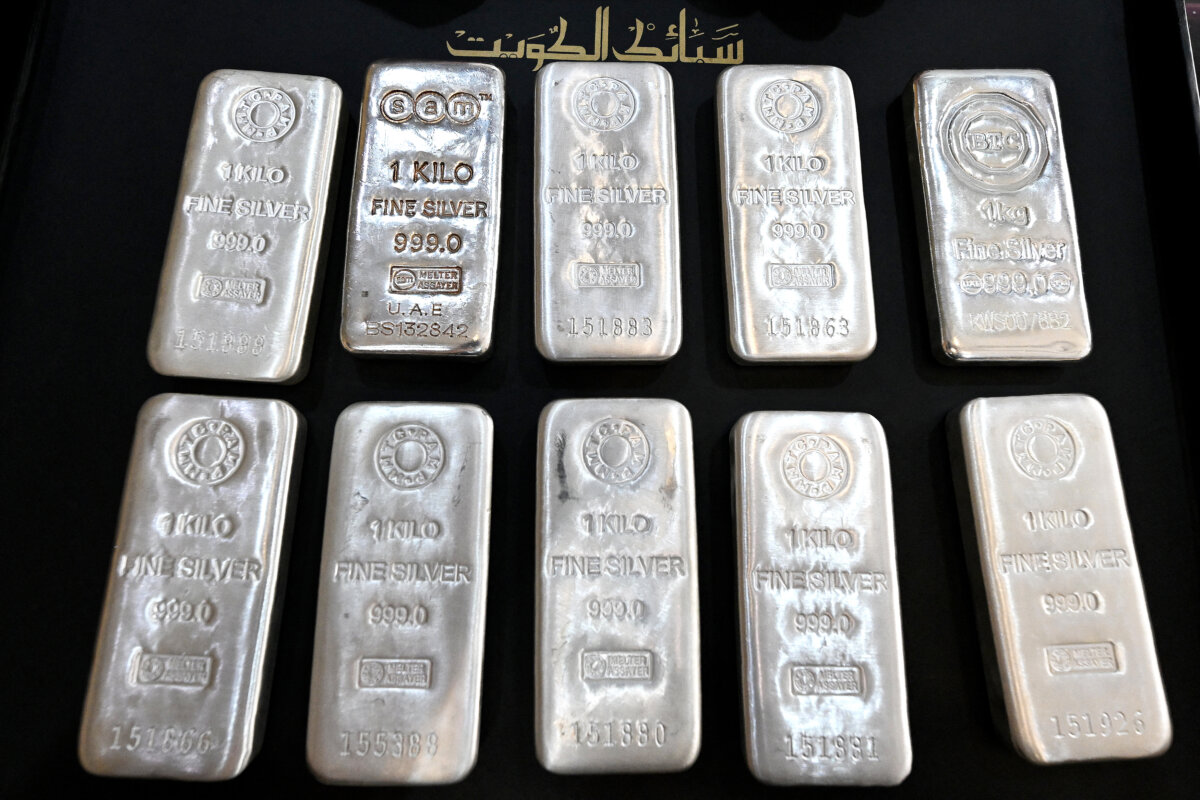

Silver prices topped $60 an ounce as the bull run in the metals market continues in the home stretch of 2025.
The white metal rallied about 4 percent, or more than $2, to almost $61 per ounce on Dec. 9 on the COMEX division of the New York Mercantile Exchange.
This year, silver has been the strongest-performing asset, rocketing more than 100 percent—outperforming gold.
Gold prices rose about 0.6 percent to above $4,200 per ounce, lifting their year-to-date gain to nearly 61 percent. The yellow metal’s meteoric ascent cooled off after flirting with an all-time high of $4,400.
The gold-to-silver ratio, meanwhile, has retreated to 70—a year-to-date low—from its peak of 105 this past spring, signaling renewed institutional confidence in silver, according to ING. This is a widely used long-term indicator that measures the number of ounces of silver required to purchase an ounce of gold.
“Prices have swung sharply this year as changing economic signals and evolving tariff policies influenced market sentiment. With uncertainty still high, we think more volatility is likely ahead,” Ewa Manthey, commodities strategist at ING, said in a Dec. 8 note.
While a persistent supply deficit and enormous industrial demand have driven silver’s rally for much of the year, tariff-driven tailwinds could be in the tea leaves, Manthey said.
Traders are eyeing a potential tariff on silver after it was added to the U.S. Geological Survey’s list of critical minerals.
Tariff uncertainty has redirected the precious metal from global exchanges such as London and Shanghai to the United States, triggering a “historic squeeze.”
Beyond import duties, silver’s rallies are typically grounded in market fundamentals, whereas gold’s gains are more often driven by safe-haven investor demand.
Looking at the year ahead, Manthey anticipates “additional demand tailwinds come from electrification, power grid upgrades, and growing use of silver in automotive components, especially in hybrid and battery electric vehicles.”
The overall metals market also has blossomed this year.
Palladium prices, for example, have advanced 70 percent, to above $1,500 an ounce, and platinum has soared 87 percent, to $1,700 per ounce. Copper prices also have increased, by 33 percent, firmly above $5 a pound.
These industrial metals have climbed on resurgent global demand and supply disruption dynamics. Portfolio diversification and bargain-hunting investors have also helped drive up their prices.
Bullish Points for 2026
Market strategists think 2026 could be another bullish environment for metals.
Gold reaching $5,000 per ounce is not out of the realm of possibility, State Street Investment Management strategists said.
“When asked if $5,000/oz. gold is in play for 2026, we think back to August 1994 and the debut studio album title for legendary British rockers Oasis (who went on an epic world tour in 2025): Definitely Maybe,” they wrote in a Dec. 5 note.
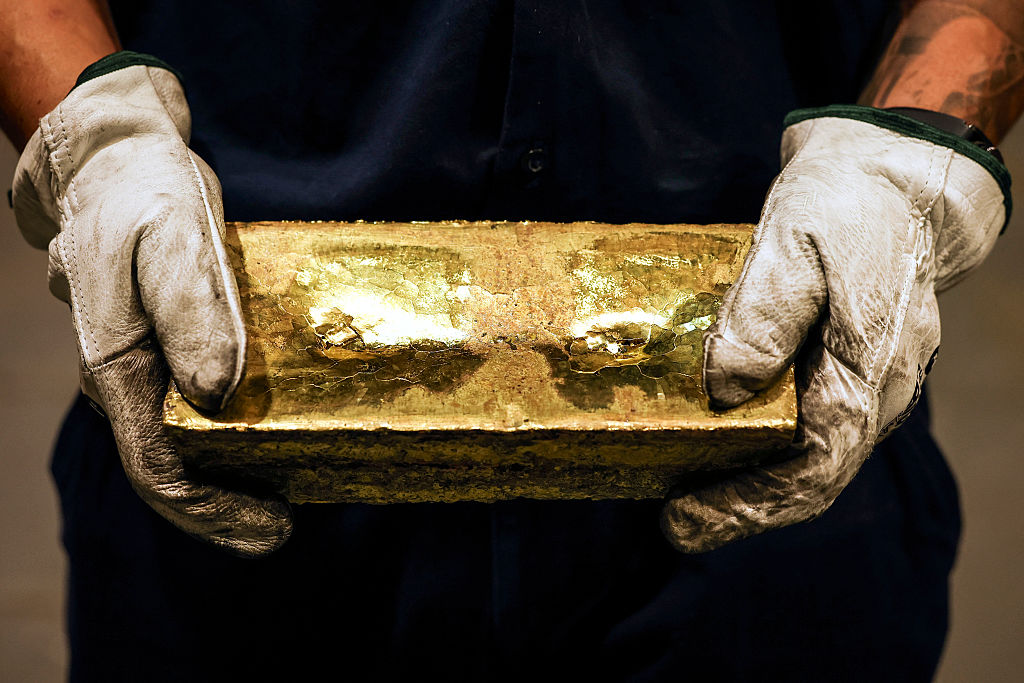
ING predicts silver prices will average $55 an ounce next year.
Various factors could further support bullish forecasts.
Soaring global debt levels, policy easing by central banks, a weaker U.S. dollar, and higher inflows into gold exchange-traded funds (ETFs) could be some of the contributors. With central banks bolstering their gold purchases, robust physical demand could further support the price of the yellow metal.
The Federal Reserve is widely expected to cut interest rates for the third straight meeting on Dec. 10, although the near-term outlook remains uncertain. Still, with the Fed signaling easing conditions ahead, this could weigh on the greenback and Treasury yields, benefiting metals.
A weaker buck is good for dollar-denominated commodities because it makes them cheaper for foreign investors to purchase. The U.S. Dollar Index—a measure of the greenback against a weighted basket of currencies—is down about 9 percent this year.
Lower government bond yields also diminish the opportunity cost of holding non-yielding bullion. The benchmark 10-year Treasury yield has fallen this year to around 4.1 percent.
“The post-pandemic regime shift is rebasing gold markets to a higher range,” they added.
 Friends Read Free
Copy
Facebook
Tweet
Friends Read Free
Copy
Facebook
Tweet