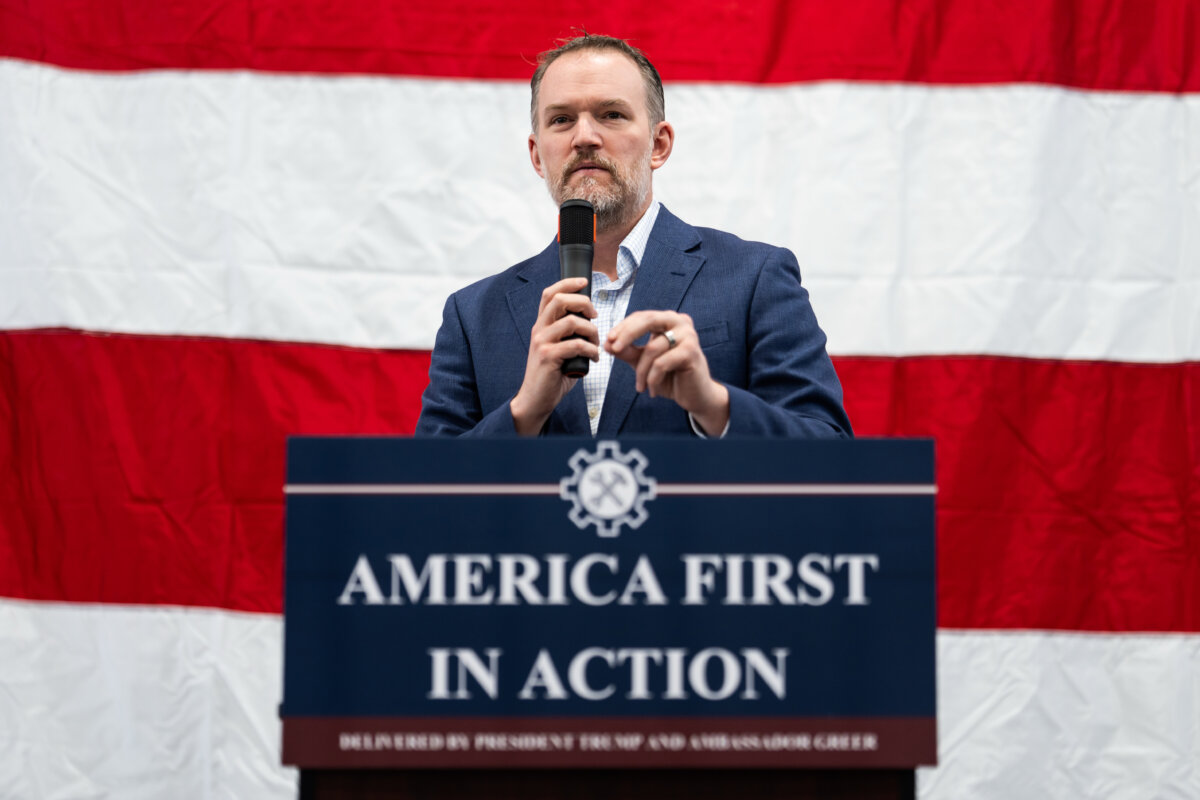

The United States will move forward with President Donald Trump’s proposed 25 percent tariffs on European Union automobile imports, Washington’s trade representative, Jamieson Greer, said on May 4.
“I was in contact with both European and German trade officials this weekend to help them understand why this was happening and remind them of all the conversations we’ve had about their compliance,” Greer told CNBC in an interview.
“I’ll continue to have those conversations, but the president’s moving forward with this action.”
When asked whether the tariff would form part of a larger negotiation with the bloc or become a permanent state, Greer added: “It’s one part of the deal.”
Escalating Tensions
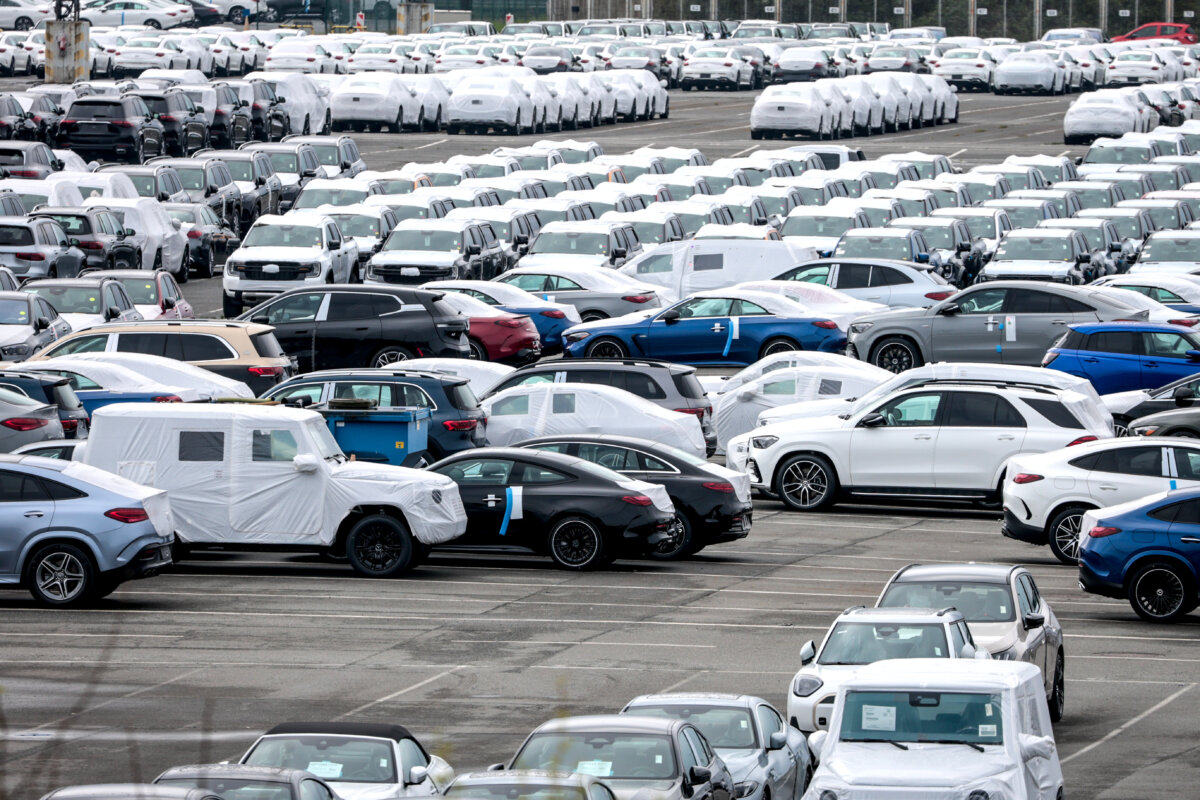
Trump announced plans to increase tariffs on cars from the EU to 25 percent from the previously agreed 15 percent on Friday, saying the 27-nation bloc had failed to comply with its trade deal with Washington.
The president said the new tariff would come into effect from this week, but the new tariffs had not been officially adopted by Tuesday.
The president did not specify under which authority he would implement the new higher tariff against EU cars and trucks. He said the taxes would not be applied to cars and vehicles made in the United States.
“Many Automobile and Truck Plants are currently under construction, with over 100 Billion Dollars being invested, A RECORD in the History of Car and Truck Manufacturing,” Trump wrote. “These Plants, staffed with American Workers, will be opening soon — There has never been anything like what is happening in America today.”
Trump’s Truth Social post threatening the higher tariff came amid escalating tensions between Washington and Brussels over the war in Iran and European nations’ continued refusal to send naval forces to help open the crucial Strait of Hormuz.
‘Options Open’
The European Commission said it rejects Trump’s claim that Brussels has not complied with the trade deal made last summer, and said it would keep its options open to protect EU interests if the United States breached the terms of the agreement.
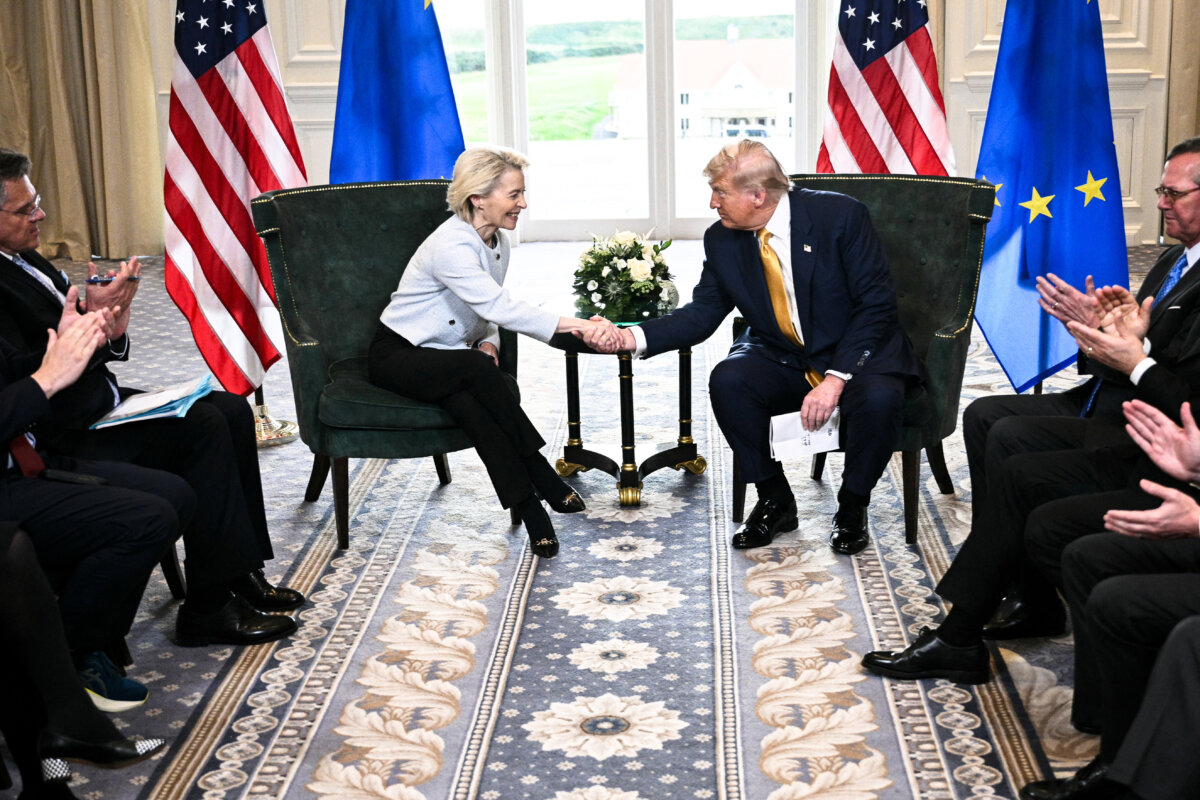
Trump and European Commission President Ursula von der Leyen agreed to the trade deal last July, setting a tariff ceiling of 15 percent on most goods, though the U.S. Supreme Court this year ruled against the legal authority used to charge that tax.
Following this ruling, the Trump administration imposed a 10 percent tax while investigating trade imbalances and national security issues to put new tariffs in place to make up for lost revenue.
The White House on May 1 announced plans to pull out 5,000 U.S. troops from Germany, in the next six to 12 months, after German Chancellor Friedrich Merz said the United States was being “humiliated” by Iran in talks to end the conflict in the Middle East.
The Trump administration imposed a 25 percent tariff on global automotive imports last year under a national security trade law, but reached a separate deal with the EU in August to lower those duties to 15 percent net, inclusive of prior duties.
Shares Slide for German Cars
German carmakers saw their shares slide in value on May 4 following Trump’s announcement of the higher tariff rate, with the country by far the EU’s biggest exporter of automobiles to the United States.
French Trade Minister Nicolas Forissier said in response that the EU has measures it can implement if Trump threatens its strategic industries, such as steel.
“We will use our tools, especially if there are too many threats on our economy or on our industrial, strategic interests—for example, I am thinking of steel—so we will no longer be naïve,” Forissier told Bloomberg on Tuesday.
The French minister was set to meet Greer later on Tuesday for talks before hosting counterparts from the Group of Seven (G-7) leading economic nations in Paris on Wednesday.
The increased tensions over threatened car tariffs come as France attempts to progress other elements of the G-7 agenda, such as discussions around how to break China’s stranglehold on critical minerals.
Last July’s agreement between the United States and the European Union is in the process of being ratified, Forissier said, adding that Trump’s latest threats create more uncertainty for businesses and economies.
“It’s moving at the normal pace,” he said. “We will implement what was in the deal. The announcement by President Trump doesn’t help.”
Trump has used tariffs, or the threat of them, in a wide variety of negotiations, including non-economic matters, maintaining they are an important tool in ending armed conflicts and upholding peace.
Jack Phillips and Reuters contributed to this report.
 Friends Read Free
Copy
Facebook
Tweet
Friends Read Free
Copy
Facebook
Tweet