
U.S. midsize businesses could face $82.3 billion in added import costs under President Donald Trump’s current tariff policies, JPMorgan said in new research, warning that firms operating on tight margins—especially wholesalers and retailers—may struggle to absorb the financial hit.
The findings come from two reports released by JPMorgan on July 2, one focusing on how tariff effects on midsize firms are distributed across industries and trading partners, and the other examining the impact on midsize firms in different U.S. metropolitan areas. Together, the reports highlight how midsize companies, which generate about a third of U.S. private-sector revenue and employment, are especially vulnerable to a shifting trade landscape.
Midsize businesses—defined as those with annual revenues between $10 million and $1 billion—are heavily exposed to tariffs because they import a significant share of goods from countries facing the highest duties, especially China.
Although tariffs on Chinese imports were initially threatened as high as 145 percent, they currently stand at 55 percent following negotiations. JPMorgan’s analysis found that about 21 percent of midsize firms’ imports come from China—higher than for larger corporations—leaving these companies especially susceptible to cost spikes.
“If paused tariffs go into effect again, they could generate major upfront costs for the middle market, while the impact may be modest if future trade deals lead to further tariff reductions from current rates,” analysts wrote in one of the reports.
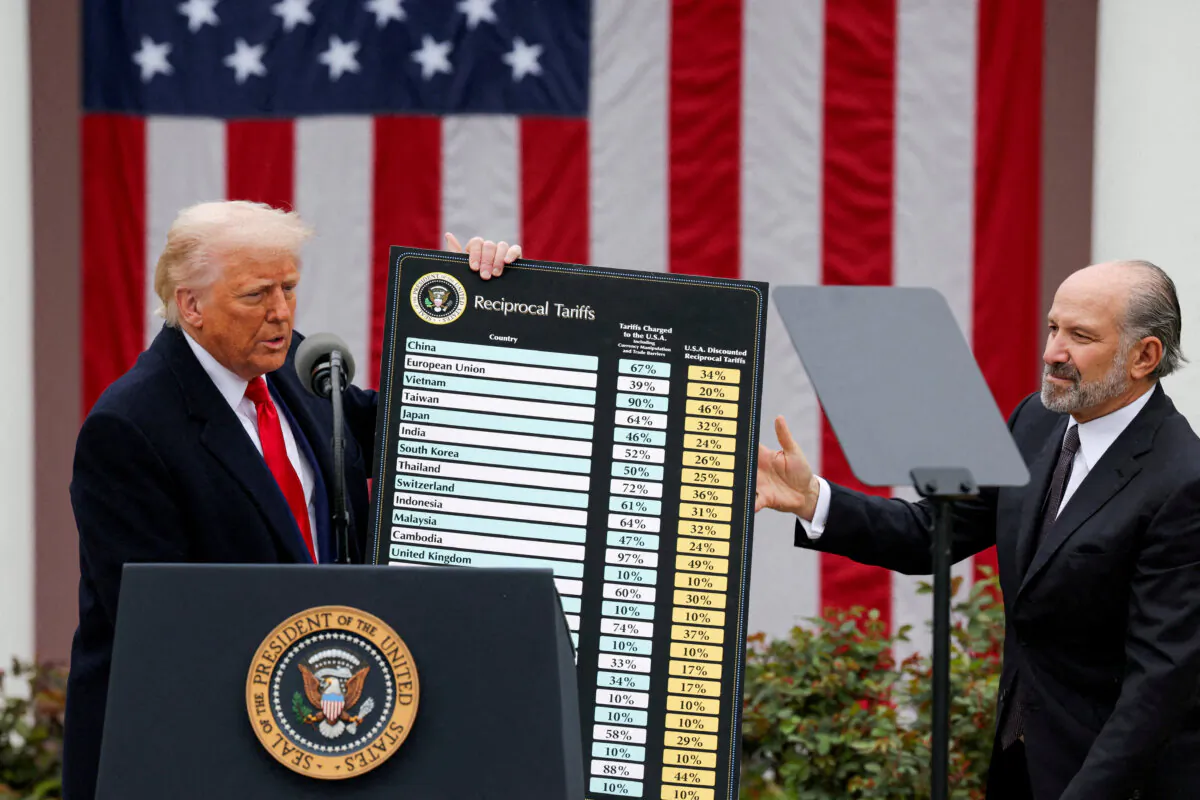
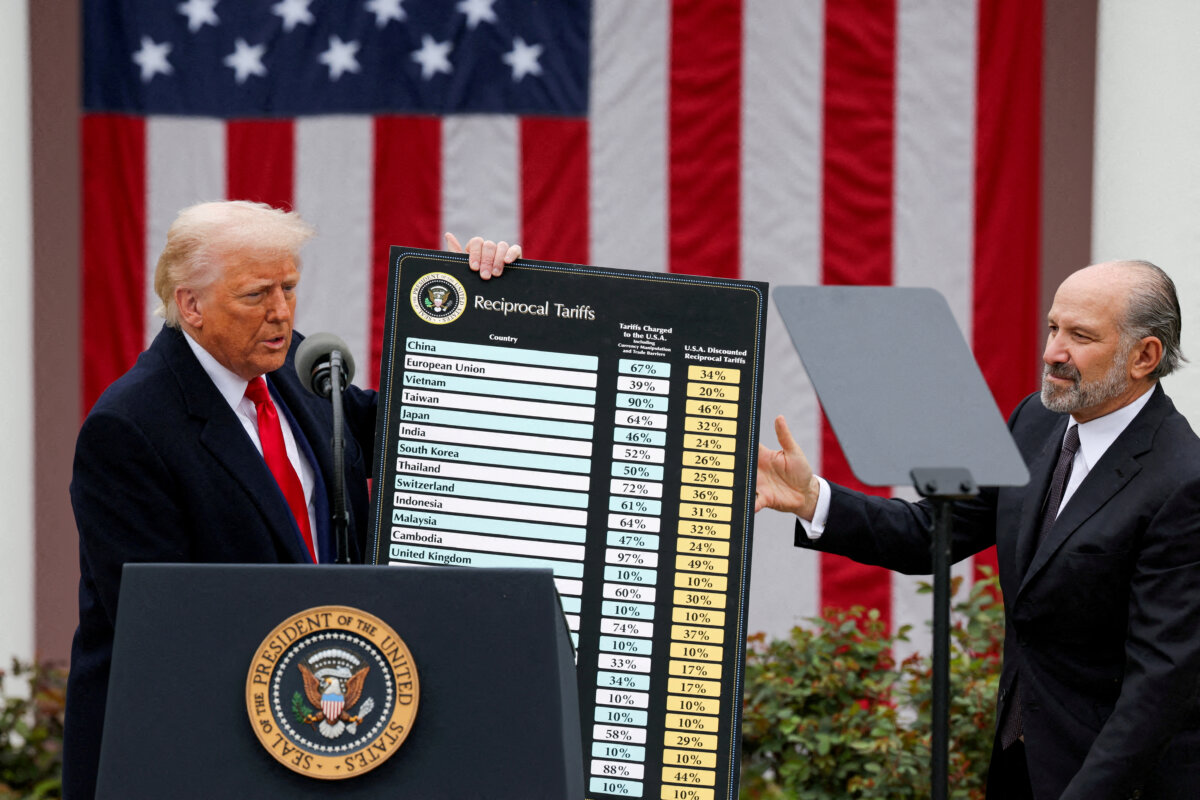
Trump’s tariff policy has imposed a blanket 10 percent duty on nearly all imports alongside higher “reciprocal” tariffs announced earlier this year. Although some of these steeper levies were paused amid negotiations, the temporary freeze is set to expire on July 9. Trump has indicated he might extend the deadline for countries engaging in what Treasury Secretary Scott Bessent has called “good faith” negotiations.
JPMorgan analysts acknowledged that the tariffs could encourage domestic investment and onshoring in the longer term, and that some firms might benefit from reduced international competition. Other companies, however, could face steep cost increases.
Wholesale and retail businesses are among those facing the greatest risks under Trump’s tariffs, according to JPMorgan’s industry-focused report. These sectors depend heavily on imported goods and often operate on narrow margins, leaving businesses little room to absorb higher costs without raising prices, which could ripple through the broader economy.
Other industries with significant exposure under the full tariff regime include chemical manufacturing—covering products such as pharmaceuticals and cosmetics—as well as transportation and warehousing, transportation equipment manufacturing, and the computer and electronics sectors.
Trump and members of his administration say the tariffs are an effective tool to protect domestic industries from unfair competition, bring manufacturing jobs back to the United States, and address the country’s nearly $1 trillion trade deficit.
Since Trump returned to office in January, U.S. Customs and Border Protection (CBP) has collected more than $106 billion in customs revenue—with $81.5 billion stemming from tariffs imposed under his trade agenda. Officials said the agency has maintained a tariff-collection success rate above 99.5 percent while recovering an additional $16.3 billion through enforcement targeting more than 35,000 high-risk shipments.
The Congressional Budget Office recently estimated that Trump’s tariffs could reduce federal deficits by $2.8 trillion over the next decade, even after factoring in modest drags on economic growth and slightly higher inflation.
Yet the administration’s sweeping tariff measures have sparked legal challenges. In May, a federal trade court ruled that Trump’s April 2 tariffs exceeded his statutory authority under emergency economic powers, setting up an ongoing appeals battle.
 Friends Read Free
Copy
Facebook
Tweet
Friends Read Free
Copy
Facebook
Tweet