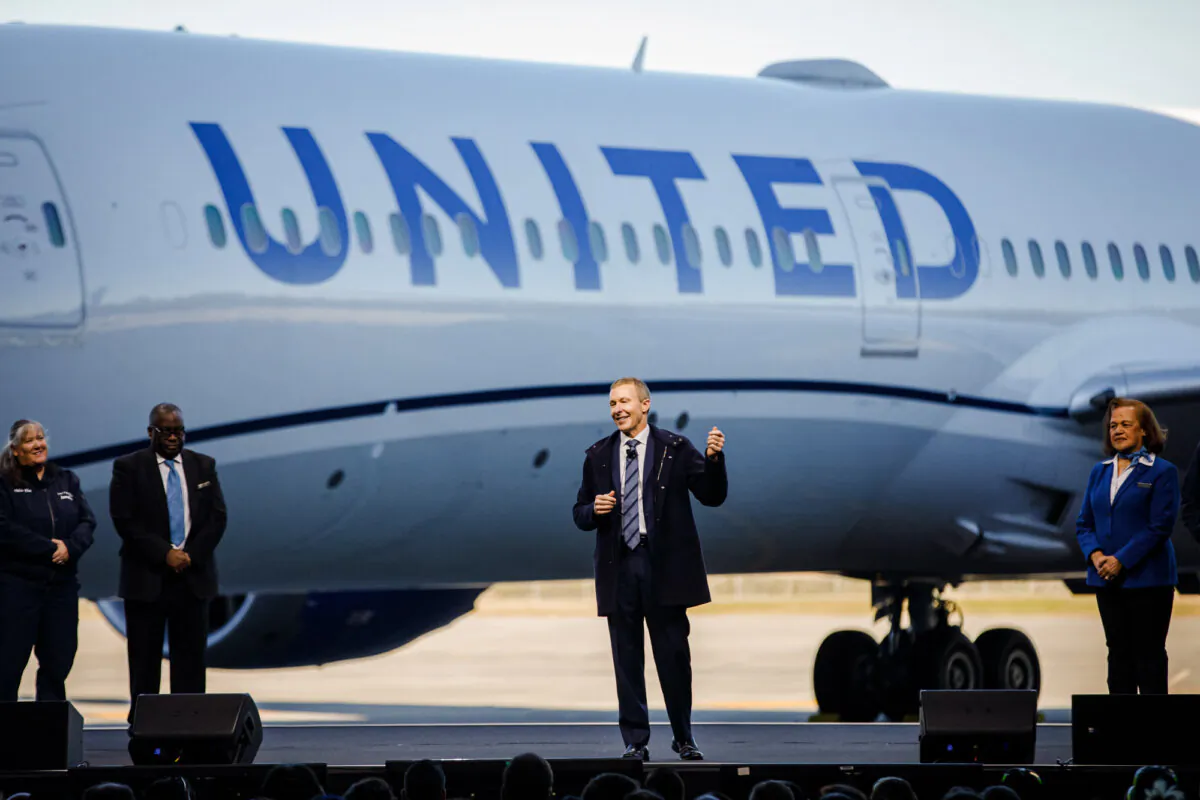

United Airlines has unveiled an aircraft and cabin overhaul centered on high-yield seating, continuing a broader industry push to shrink traditional economy cabins to make room for more premium offerings.
The Chicago-based carrier said in a March 24 statement that it expects to take delivery of more than 250 new aircraft by April 2028. That includes 47 Boeing 787-9 Dreamliners featuring new premium-heavy cabins, 33 of which will be configured with additional premium seats.
The plan also includes two new Airbus subfleets. One will consist of 40 Airbus Coastliner aircraft, which will operate exclusively between Los Angeles and San Francisco and Newark/New York.
The other will comprise 28 Airbus A321XLRs, which will replace Boeing 757s on some existing international routes starting this summer and later open new destinations in Europe and South America.
United said the 757s currently flying many of those routes typically have about 16 business-class seats. The A321XLR will have 32 premium seats. The Coastliner will include 20 lie-flat business-class seats and 12 premium-economy seats.
The overhaul extends a trend that has been building for years, as the largest U.S. carriers seek to capture corporate travelers and affluent leisure passengers who are willing to pay more for comfort. Increasingly, airlines are betting on selling fewer seats at higher yields rather than packing planes more densely with standard economy passengers.
According to advisory firm Visual Approach Analytics, the number of scheduled first- and business-class seats on domestic flights grew by 14 percent between 2019 and 2024, more than three times the 4 percent growth recorded for scheduled economy seats. American Airlines posted the largest overall increase in domestic first- and business-class seats during that period, followed by United and Delta.
That figure also does not account for premium economy, an intermediate class that became a standard offering for many major airlines in the 2010s. The product is aimed at travelers who want something above economy but cannot justify business-class prices.
United’s push for more premium seating also comes days after CEO Scott Kirby told employees that the airline would trim about five percentage points from this year’s planned capacity as it prepares for oil prices to rise as high as $175 a barrel and remain above $100 through 2027.
In a company-wide letter, Kirby said such a scenario would translate into an additional $11 billion in annual costs. United spent $11.4 billion on fuel last year, meaning such a price surge could push that expense above $20 billion this year, more than twice the profit the airline earned in its best year.
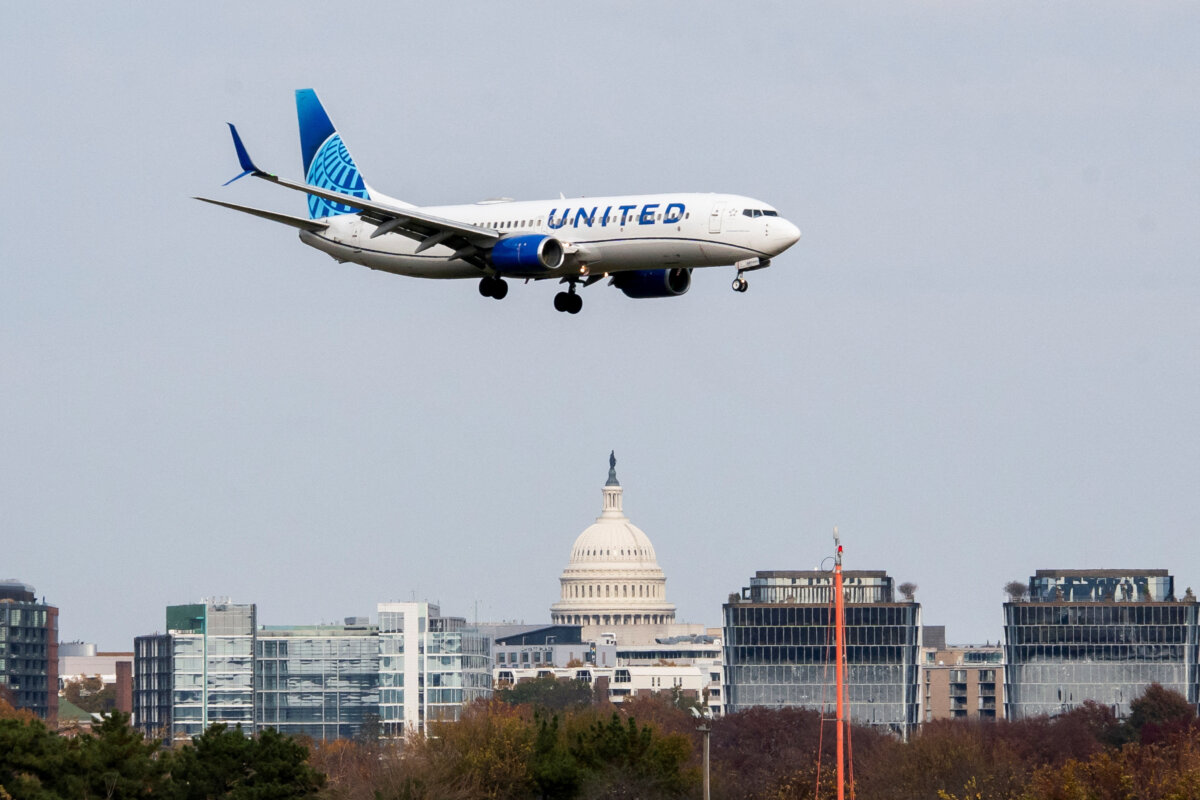
The capacity cuts will mean fewer flights during off-peak periods, including red-eyes and Tuesday, Wednesday, and Saturday departures during the second and third quarters, according to Kirby. United will also trim capacity at its Chicago O’Hare hub and suspend service to Tel Aviv and Dubai.
United plans to restore its full schedule in the fall, Kirby said.
“To be clear, nothing changes about our longer-term plans for aircraft deliveries or total capacity for 2027 and beyond, but there’s no point in burning cash in the near term on flying that just can’t absorb these fuel costs,” he said.
 Friends Read Free
Copy
Facebook
Tweet
Friends Read Free
Copy
Facebook
Tweet