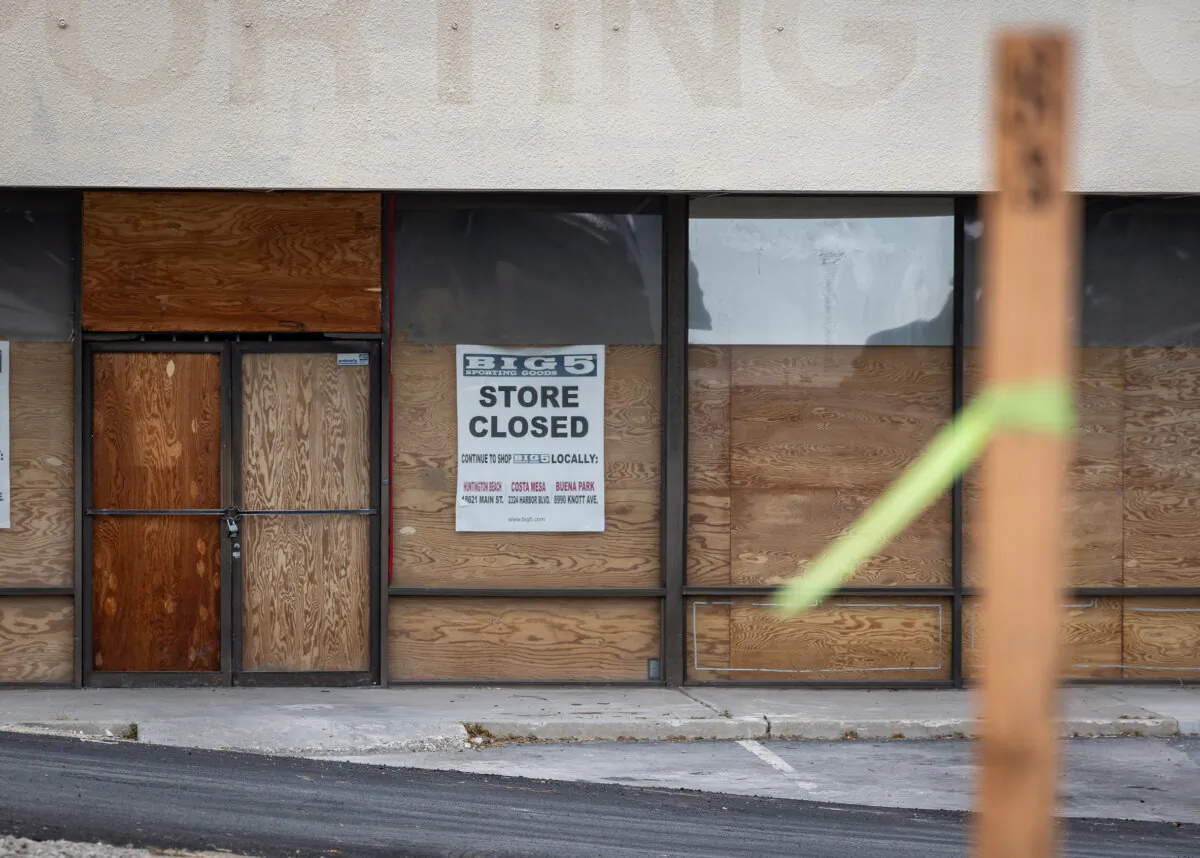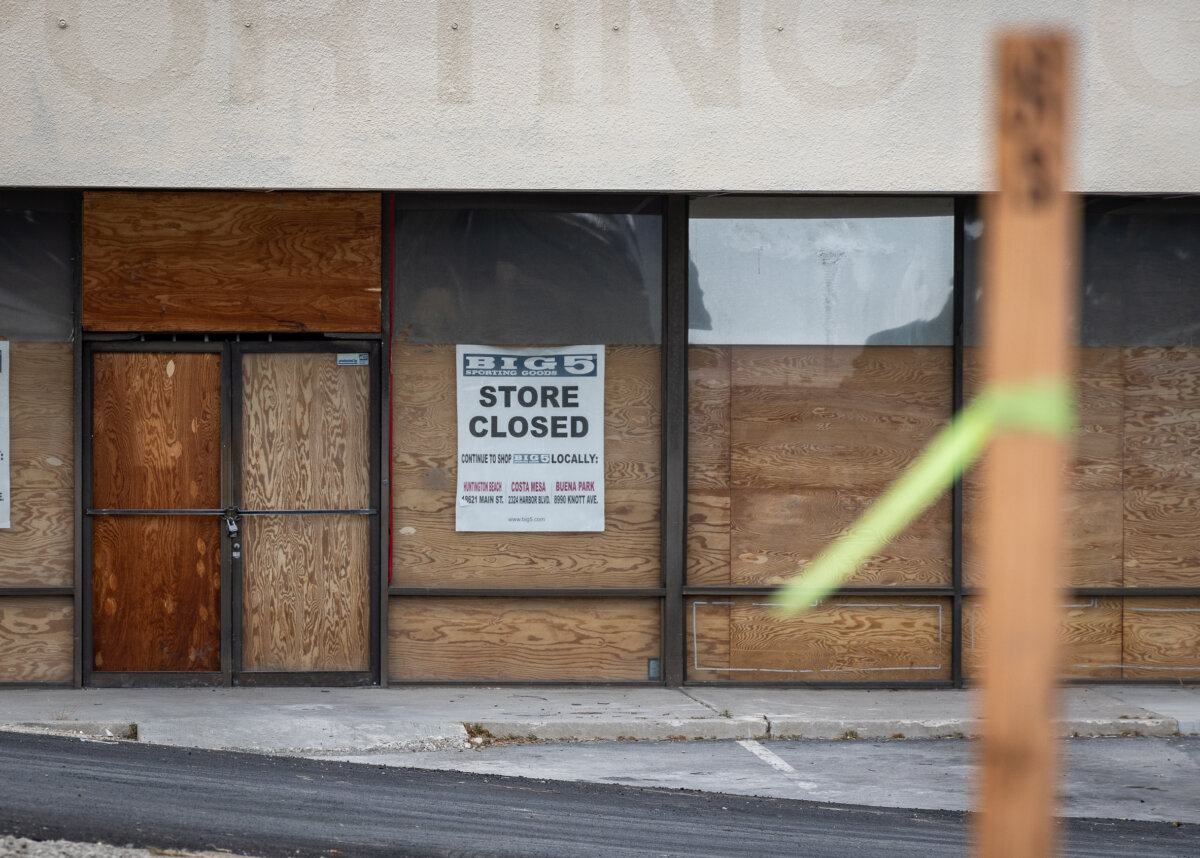

A total of 469,719 bankruptcy filings, both individual and commercial, have been filed in the first nine months of 2026.
The total number of filings is up 11 percent from the same period last year, the American Bankruptcy Institute (ABI) said in an Oct. 8 statement.
Individuals made 444,252 filings in the January to September period, while businesses made 25,467 filings, up 7 percent.
“The continued increase in bankruptcy filings reflects the strain of higher borrowing costs, rising household expenses, growing consumer delinquencies, and a softer job market,” Michael Hunter, vice president of bankruptcy data provider Epiq AACER, said in the statement.
Regarding consumer borrowing costs, the average weekly rate on a 30-year fixed-rate mortgage is at the highest level in roughly three years. Meanwhile, the credit card interest rate has been above 20 percent for more than three years.
Joelle Scally, economic policy advisor at the New York Federal Reserve, said in an Aug. 11 statement from the bank that new consumer delinquencies for credit cards and auto loans “remain at elevated levels.”
As for the job market, the United States added fewer jobs than expected in September.
There were 2,442 small business Subchapter V bankruptcy filings in the first nine months of the year, up 46 percent from the same period in 2025, according to the ABI.
“The increase in bankruptcy filings, especially among small businesses, highlights the challenges many debtors continue to face amid persistent inflationary pressures, elevated borrowing costs, and economic uncertainty,” Amy Quackenboss, ABI executive director, said in the statement.
Since the U.S.–Iran war broke out in late February, the 12-month inflation has remained elevated. The rate peaked at 4.2 percent in May and has since fallen to 3.4 percent in August, but remains above the 2.4 percent rate recorded in February, according to data from the Bureau of Labor Statistics.
Quackenboss said that Congress’s passage of the Bankruptcy Threshold Adjustment Act would expand “access for struggling businesses and families seeking bankruptcy relief.”
The measure seeks to raise the small-business Chapter 11 Subchapter V bankruptcy debt threshold from $3.4 million to $7.5 million. It also seeks to increase the debt limit for individuals under Chapter 13 bankruptcy from around $2.1 million to $2.75 million. The bill has been passed by both the House of Representatives and the Senate.
Large Commercial Bankruptcies
According to an Oct. 8 statement from the consulting firm Cornerstone Research, 100 large companies filed for bankruptcy between July 2025 and June 2026. This is 22 percent above the 2005–2025 historical average, according to a company report.
Moreover, in the past 12 months, there were 28 bankruptcy filings with reported assets exceeding $1 billion.
“The continued elevated pace of large corporate bankruptcies reflects persistent challenges of the broader economic environment for companies that rely on debt financing,” Matt Osborn, principal at Cornerstone Research and report coauthor, said in the statement.
“The data suggest that high interest rates and regulatory uncertainty, along with shifting demand and competitive dynamics within certain sectors such as manufacturing, remain the most frequently cited drivers of distress among large bankruptcy filers,” Osborn said.
Meanwhile, certain recent business data suggests positive developments in the economy. For instance, the growth in U.S. business activity accelerated for the fourth straight month in September, according to a Sept. 23 report from S&P Global.
In the manufacturing sector, new order inflows hit their highest level since April 2022, according to the report.
Chris Williamson, chief business economist at S&P Global Market Intelligence, said that business activity grew at the fastest rate in more than five years in September.
“To put the growth surge in context, barring the spike in demand following the opening up of the economy after the COVID-19 lockdowns, the latest improvement in business activity is the greatest recorded since early 2015,” Williamson said.
“Business is clearly booming now in both manufacturing and services.”
 Friends Read Free
Copy
Facebook
Tweet
Friends Read Free
Copy
Facebook
Tweet