
U.S. economic growth was revised lower in the first quarter because of downward adjustments from consumer spending and business investment.
The gross domestic product (GDP) expanded by 1.6 percent in the first three months of 2026, down from the initial estimate of 2 percent, according to new Bureau of Economic Analysis data released on May 28.
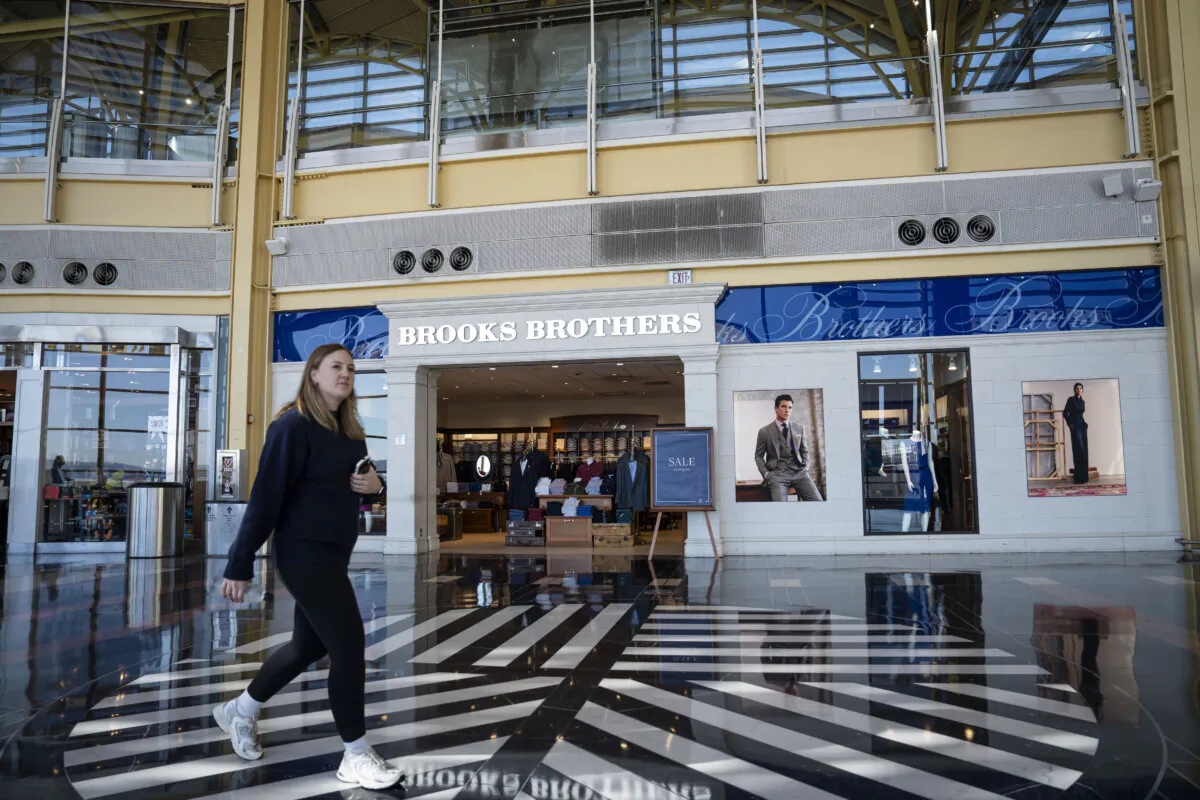
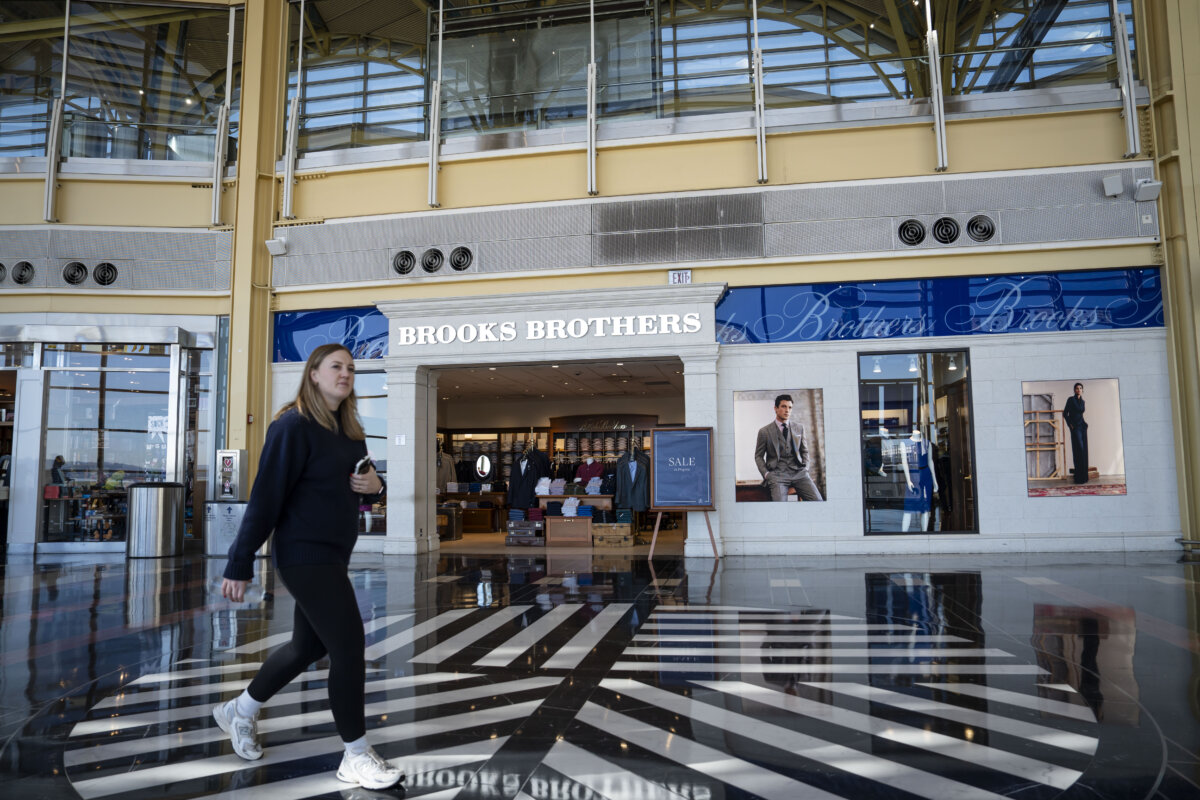
Consumer spending expansion came in lower, at 1.4 percent, from 1.9 percent. Economists had penciled in a reading of 1.6 percent.
Americans have come under financial pressure over the past three months, largely because of higher energy prices.
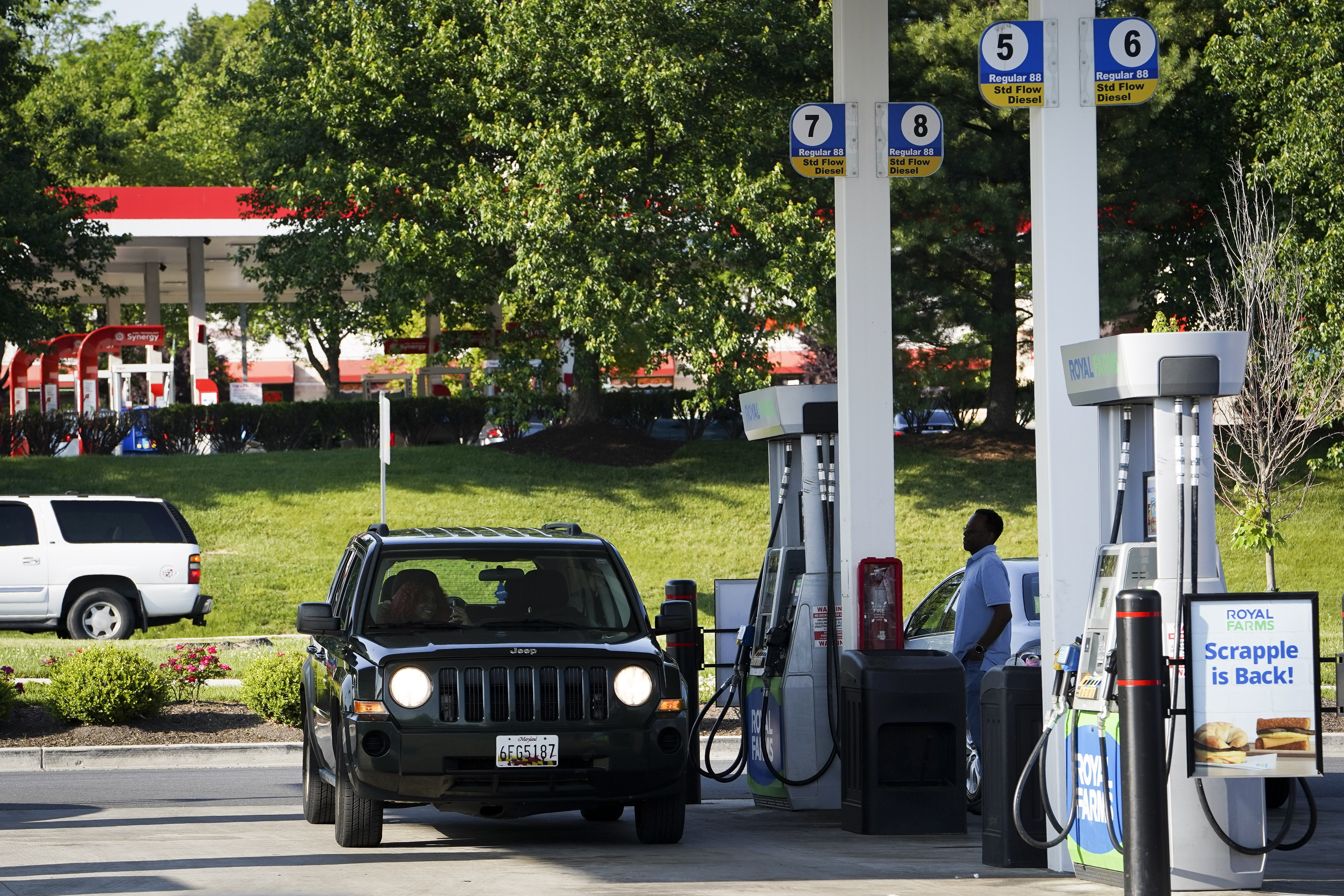
Motorists are paying, on average, $4.45 per gallon of gas, about double what they paid before the Iranian conflict.
Expansion in gross private domestic investment, which has been a sizable contributor to the GDP, receded slightly to 1.19 percent. Included in this category is business investment, advancing by 1.35 percent. This was fueled by computer equipment, intellectual property products, and software—all of which were related to the artificial intelligence boom.
Exports edged a bit higher in the bureau’s second estimate, climbing by 1.34 percent. Imports were little changed, down by 2.6 percent.
The U.S. economy has been weathering various headwinds since the start of the war in Iran in late February, including an oil price shock and rising inflationary pressures.
Business investment remains strong amid the ongoing AI infrastructure buildout, while consumers continue to open their wallets. Employment conditions are also solid, with hiring momentum building and layoffs staying low.
Still, inflation remains a heightened risk in the United States.
Inflation in the annual personal consumption expenditures price index—the Federal Reserve’s preferred inflation gauge—rose to 3.8 percent in April, from 3.5 percent in March.
Core personal consumption expenditures inflation, which strips out volatile energy and food categories, ticked up to a tamer 3.3 percent, from 3.2 percent.
Both readings were in line with economists’ expectations.
Sneak Peek at Q2
Looking ahead to the second quarter, the economy is expected to surge.
The Atlanta Federal Reserve’s GDPNow Model estimates growth above 4 percent, fueled by the same factors: consumers opening their wallets and business investment.
Some are skeptical that this can last, noting the growing divergence between Wall Street and Main Street.
“GDP growth will likely dip as consumers are temporarily cautious, but we could expect a rebound in growth later this year if the geopolitical situation improves,” Jeffrey Roach, chief economist at LPL Financial, said in a note emailed to The Epoch Times.
Various surveys show that consumer sentiment has weakened over the past few months.
The Conference Board’s May consumer confidence index, released on May 26, showed a modest dip due to price effects from tensions in the Middle East.
“Consumer appraisals of current business conditions and the current labor market were moderately less positive compared to last month,” Dana Peterson, chief economist at The Conference Board, said in a statement.
“This was somewhat offset by modest improvements in consumers’ expectations for business conditions and the labor market six months from now.”
In contrast, the U.S. stock market is trading near all-time highs. The blue-chip Dow Jones Industrial Average is eyeing 51,000, while the broad-market S&P 500 is above 7,500. The tech-driven Nasdaq composite index is inching closer to 27,000.
Investors have shrugged off a series of headwinds, including the war in Iran and the prospect of higher interest rates.
But although Wall Street’s performance suggests widespread optimism, consumers are not entirely downbeat about the economy, Roach said.
“Given the current pricing pressures, we would have expected a more dramatic decline in confidence,” he said.
However, economists at RSM are trimming their outlook for the rest of the year and warning of “stagflation-light.”
In an update to their forecast, they expect this year’s GDP growth rate to be 1.7 percent, from the earlier estimate of 2.4 percent, citing the “magnitude of the energy shock.” RSM also projects a 30 percent probability of a recession over the next 12 months, up from 20 percent before the conflict.
“The impact of the war will result in slower growth, rising inflation, and higher unemployment—a form of ‘stagflation light’ that will permeate the economy for the remainder of the year,” RSM said in a May 5 note.
 Friends Read Free
Copy
Facebook
Tweet
Friends Read Free
Copy
Facebook
Tweet