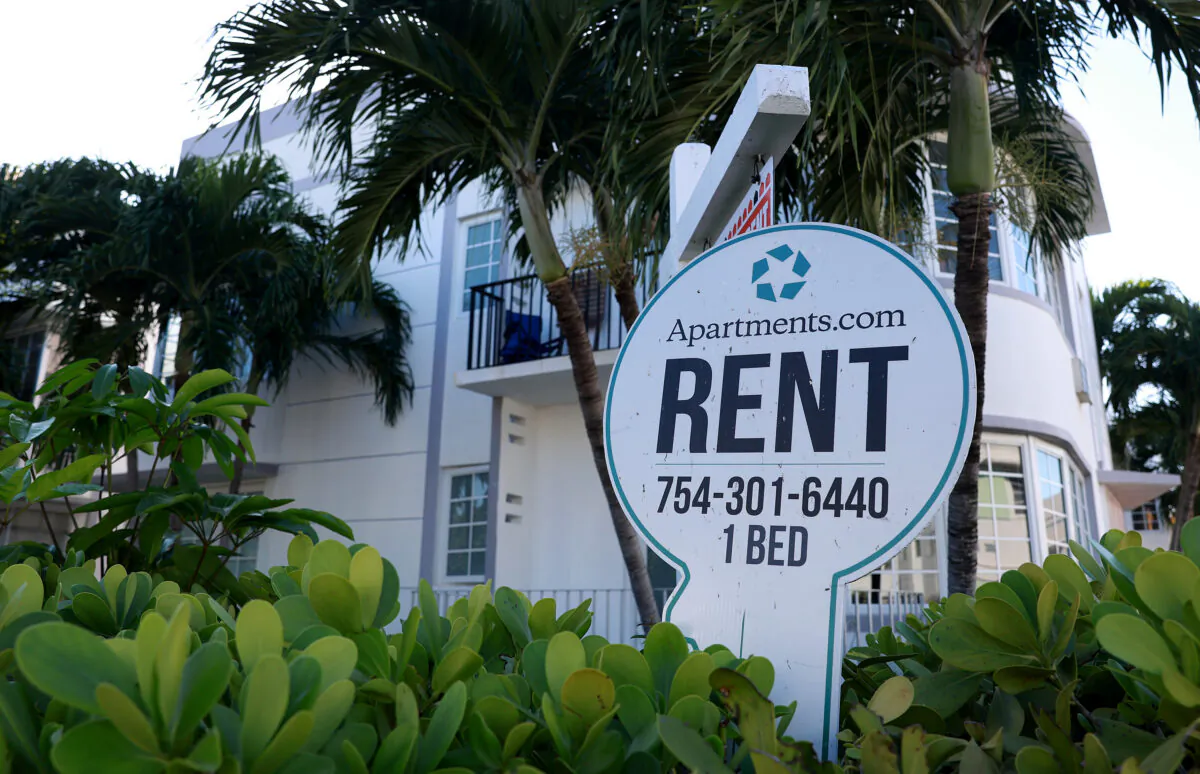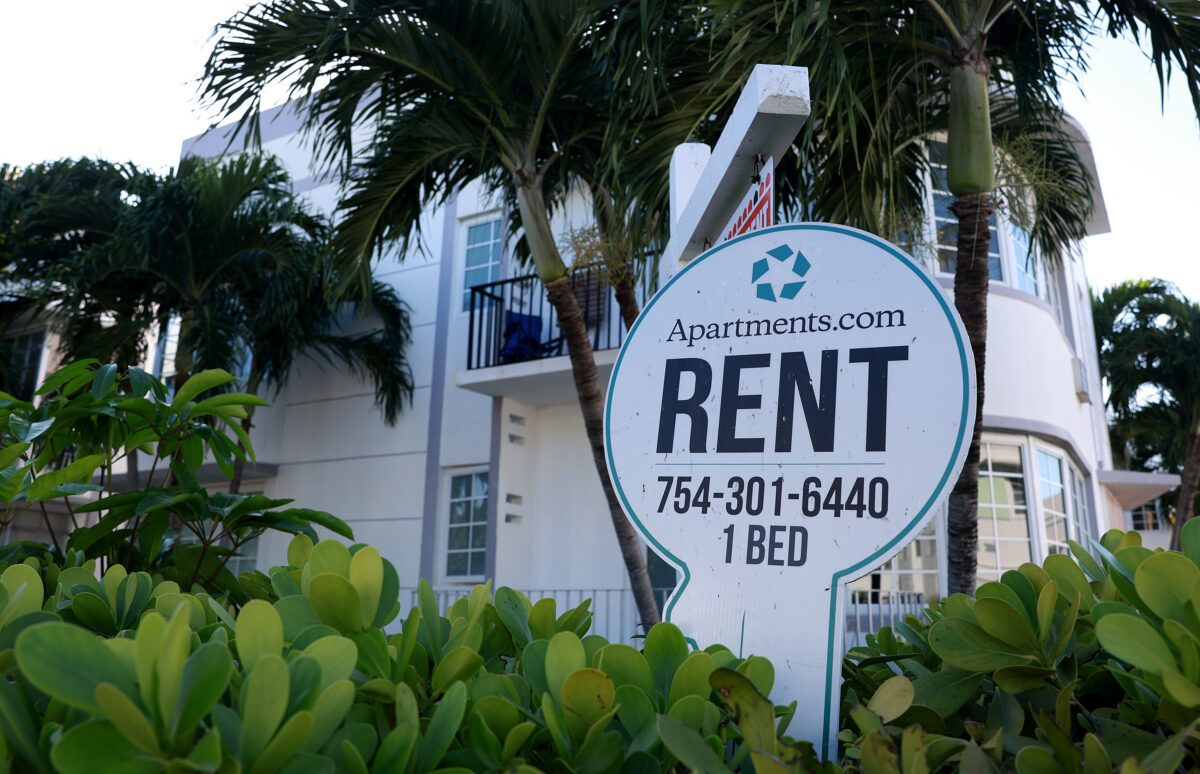

For the first time since July 2025, the national median rent inched up by 0.2 percent in February, to $1,357, following six months of declines.
A Feb. 25 report from Apartment List noted that the uptick is in line with typical season patterns, as costs often soften during the fall and winter when people are less likely to relocate.
“This officially marks the start of the market creeping out of the off-season, and we’ll likely see continued increases in the months ahead as moving activity ramps up,” the report stated.
February’s rent hike was lower than last year’s 0.3 percent increase, resulting in a 1.5 percent year-over-year decline in median rent—the weakest annual reading since the summer of 2020.
Meanwhile, the national median monthly rent was about $20 less compared with February 2025, but still remained 18 percent higher than at the beginning of 2021.
The online national rental marketplace report indicated that May is typically the peak month for rent growth, but over the past three years, March has seen the most growth.
Multi-family construction has been the primary factor behind the soft rent growth over the past three years, with more than 600,000 new units added in 2024 and just under 500,000 in 2025, the report notes. This year, the number of new units is expected to be smaller, but still remains above the long-range average.
As the supply grows to meet the demand, more vacant apartments are now available, giving owners more competition and renters more negotiating power. According to the report, the national vacancy index grew to 4.7 percent in February—the highest level since 2017.
“Eventually, the market will absorb the swell of new units, and occupancy and pricing trends should begin to gradually tighten,” the report stated.
With additional units available, the average days on the market in February was about 40, a slight drop from 41 days in January. Still, this is the longest February duration reported since 2019.
Major metros in the Northeast, Midwest, and West Coast continue to experience climbing rent prices, while the South and Mountain West regions are seeing some declines. February rents were on the rise month over month in 49 of the nation’s top metros.
Virginia Beach took the top spot for the fastest year-over-year rent growth, with prices increasing by 5.3 percent over the past year. Apartment List reports the overall median rent for all property types there at $1,809 per month.
San Francisco and San Jose, California, had similar price growth at 4.9 and 4.6, respectively. Rents in Chicago, Illinois, and St. Louis, Missouri, rose by more than 3 percent from last year, completing the country’s top five rent growth metros.
On the other end, Austin, Texas, saw the deepest decline among the nation’s top metros with a 5.9 percent decrease in rents over the past year, and more than 20 percent lower than its peak in 2022. Austin has also been noted for having the fastest pace for new home construction of any large metro.
The median overall rent for all property types in Austin sat at $1,381 in February.
Other cities dealing with rent declines include another Texas city—San Antonio—at 4.7 percent, as well as New Orleans, Louisiana, and Denver, Colorado, both with 6.4 percent drops. Tucson and Phoenix, Arizona, saw rent decreases of over 4 percent.
The report said that while rents nationally experienced a slight rise in February, renters may have more options and the ability to negotiate depending on where they choose to live. Those areas where new construction has exceeded demand are likely to present better opportunities for renters.
 Friends Read Free
Copy
Facebook
Tweet
Friends Read Free
Copy
Facebook
Tweet