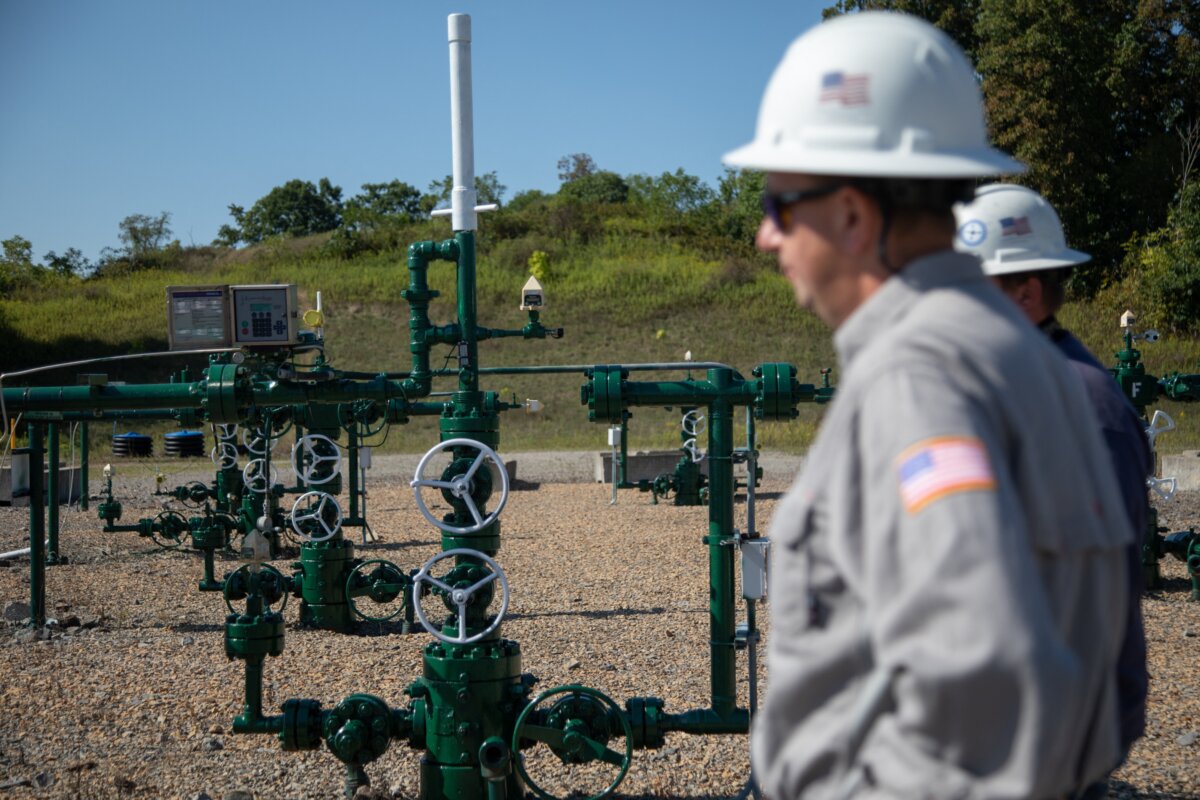

Natural gas production in the United States is expected to hit new highs this year and in 2027, the Energy Information Administration (EIA) said in a Feb. 13 statement.
“We forecast that U.S. natural gas marketed production will increase by 2 percent to average 120.8 billion cubic feet per day (Bcf/d) in 2026 and then further increase to a record-high 122.3 Bcf/d in 2027,” the EIA said.
“U.S. natural gas production growth will primarily come from the Appalachia region in the Northeast, the Permian region in western Texas and southeastern New Mexico, and the Haynesville region in eastern Texas and Louisiana.”
The EIA said that “around 69 percent of forecast production over the next two years” will come from these regions.
The Appalachian region accounts for the largest share of domestic natural gas output. Since 2016, the region has made up about 32 percent of production in the Lower 48 annually.
In recent years, production growth has slowed in the region because of pipeline capacity constraints, the agency said. In June 2024, the Mountain Valley Pipeline was authorized to begin operations. It is expected to boost Appalachia’s natural gas output by 0.3 billion cubic feet per day (Bcf/d) in 2026 and by 0.5 Bcf/d in 2027.
Gas production in the Permian region is mostly the result of associated gas output during oil production. Associated gas is natural gas that occurs in crude oil reservoirs. Although the West Texas Intermediate crude oil prices are expected to decline from $65 per barrel in 2025 to an average of $49 in 2027, natural gas production is projected to rise because of a higher gas-to-oil ratio, the agency said.
The gas-to-oil ratio measures the amount of natural gas that can be produced per barrel of oil output. Higher values indicate more natural gas production.
As for the Haynesville region, natural gas production is expected to remain economical despite well development being costly, with EIA attributing this to higher gas prices in 2026 and 2027.
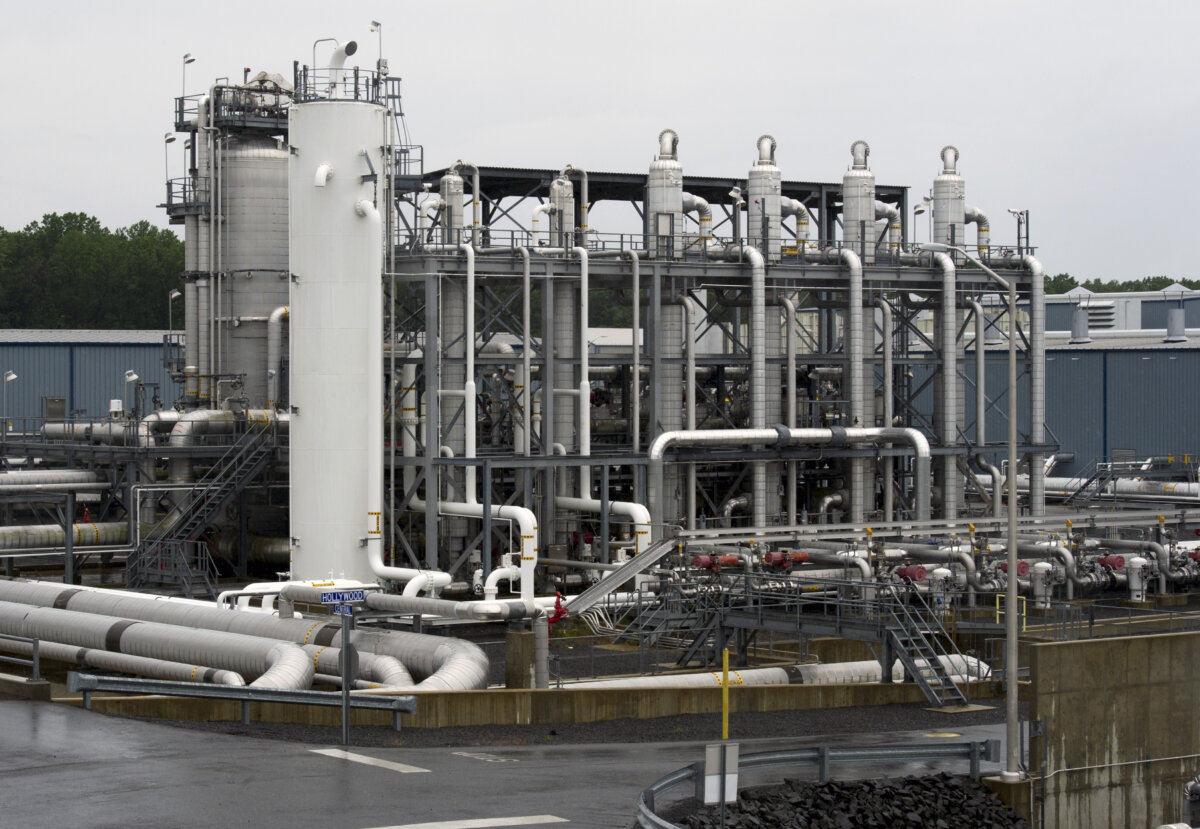
The agency forecasts gas prices to rise from $3.52 per million British thermal units (MMBtu) in 2025 to $4.31 per MMBtu this year, before hitting $4.38 per MMBtu in 2027.
As for the short-term production outlook, the EIA said in a February 2026 report that there was a 3 percent dip in natural gas output from December 2025 to January 2026 due to frigid weather conditions.
“We expect the production drop was temporary, with almost all of the production back online in February,” the EIA said in the Feb. 10 report.
“By the second half of 2026 (2H26), we expect production to ramp up as new pipeline capacity comes online in the Permian and producers increase drilling activity in response to higher prices in [the first half of 2026].”
In a Jan. 19 fact sheet, the Department of Energy said that natural gas production has hit record high levels under the Trump administration. This year, output is expected to hit 109 Bcf/d, which the department said would be a new all-time high.
The Energy Department said in a Jan. 20 statement that the department has ushered in an “unprecedented era of energy dominance.”
“Never before in America’s history has our Nation been more energy dominant: Thanks to President [Donald] Trump’s policies, America leads the world in oil and natural gas production,” the department said. “The U.S. now produces as much natural gas as Russia, Iran and China combined at 108 billion cubic feet per day.”
The International Energy Agency (IEA) said in a Jan. 23 report that natural gas demand in 2026 is forecast to rise by 4 percent in the Asia-Pacific region, by 3.5 percent in Eurasia, and by 3.5 percent in Africa and the Middle East combined.
Demand is expected to remain “broadly flat” in North America, decline by 1 percent in Central and South America, and fall by 2 percent in Europe, the IEA said.
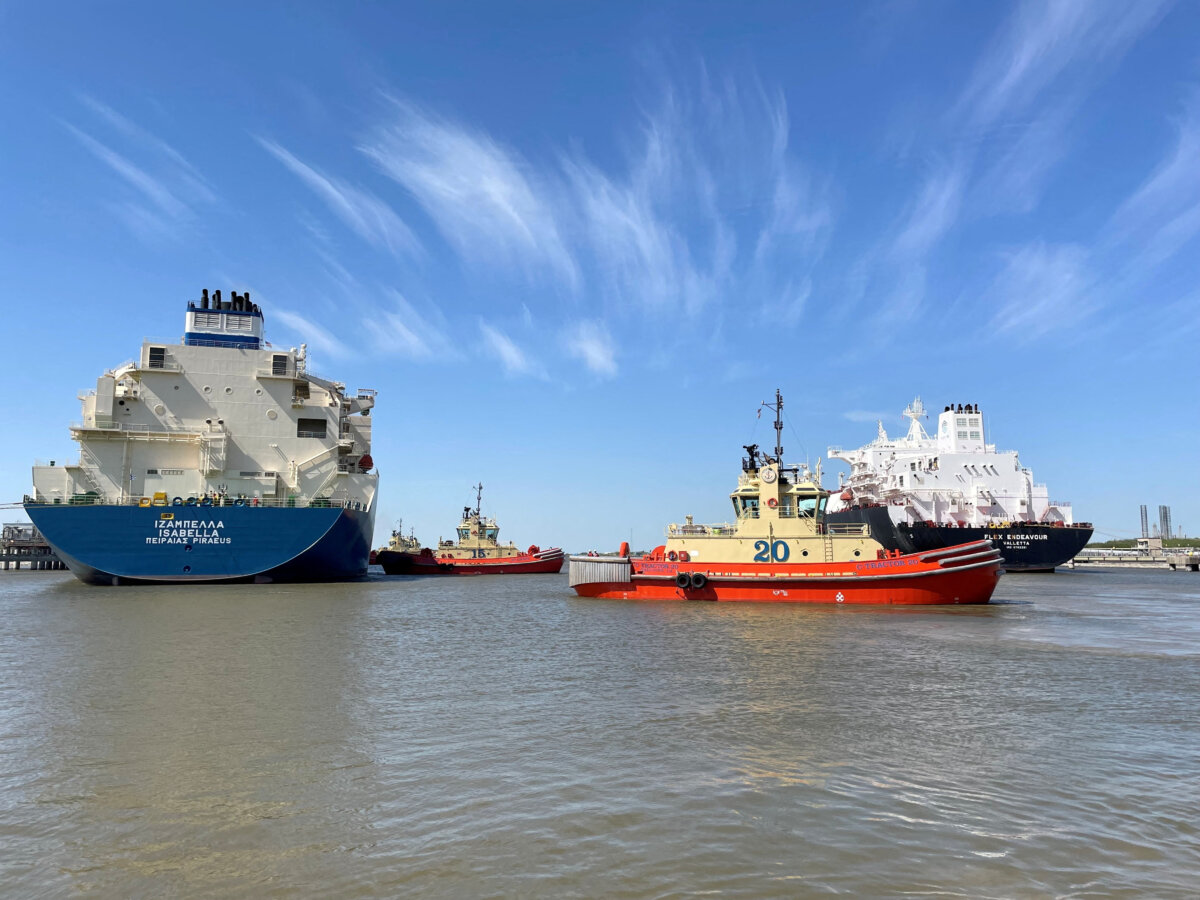
As for liquefied natural gas (LNG), IEA said global LNG supply growth this year is set to be at its “fastest pace since 2019.”
“In our forecast, global LNG production increases by more than 7 [percent] (or over 40 [billion cubic meters]) in 2026,” the report states. “North America is again set to drive this growth, with the United States, Canada and Mexico accounting for over 85 [percent] of the increase in global LNG supply in 2026.”
 Friends Read Free
Copy
Facebook
Tweet
Friends Read Free
Copy
Facebook
Tweet