
U.S. crude oil prices broke $90 per barrel on March 6 as President Donald Trump demanded an “unconditional surrender” from Iran.
A barrel of West Texas Intermediate—the U.S. benchmark for oil prices—rocketed 14 percent above $92 on the New York Mercantile Exchange.
The U.S. front-month contract is on track for a record weekly gain of about 37 percent, adding to its year-to-date gain of 60 percent.
Brent, the international benchmark for crude prices, advanced almost 10 percent, to around $93 a barrel on London’s ICE Futures exchange.
The global gauge is poised for a 27 percent weekly increase, lifting this year’s rally to 53 percent.
In a March 6 Truth Social post, the president stated that the United States would not end the war in Iran without an “unconditional surrender” by the regime.
Once this happens, Trump says, the United States and its allies will work to resurrect Iran and make its economy “bigger, better, and stronger than ever before.”
“Iran will have a great future,” he added. “Make Iran Great Again (MIGA!).”
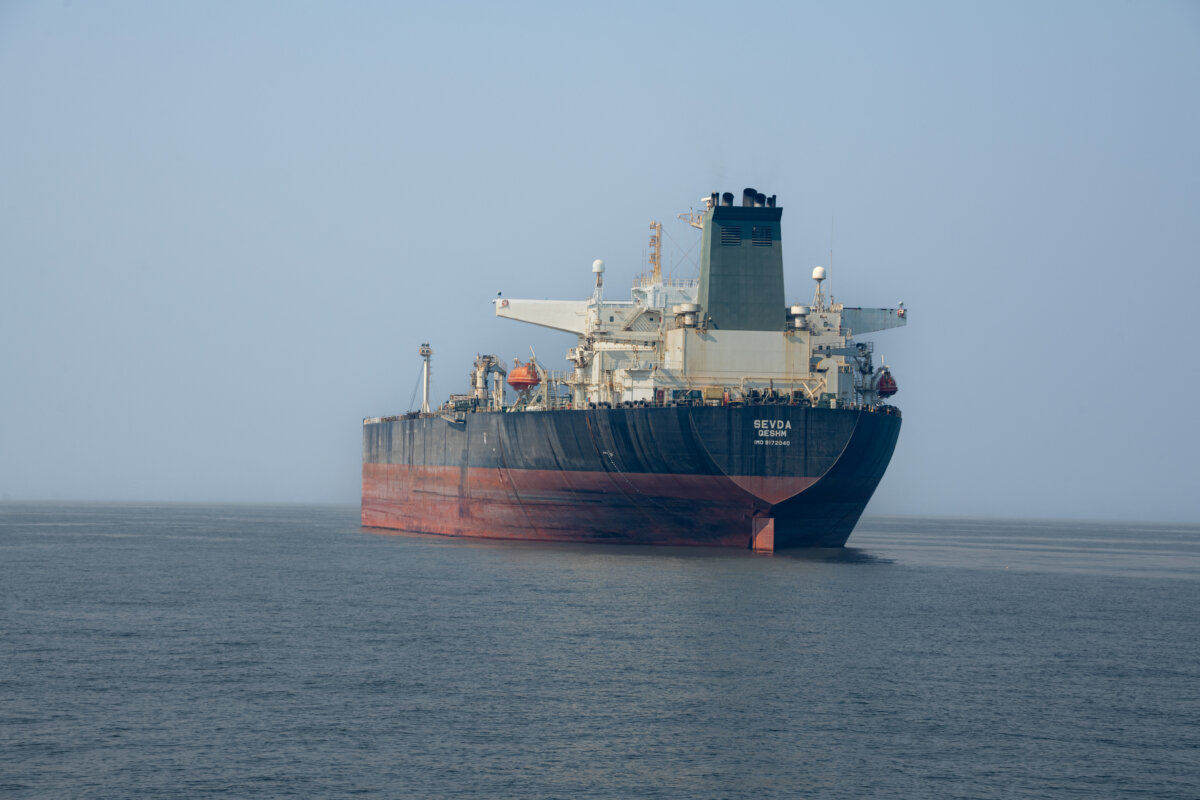
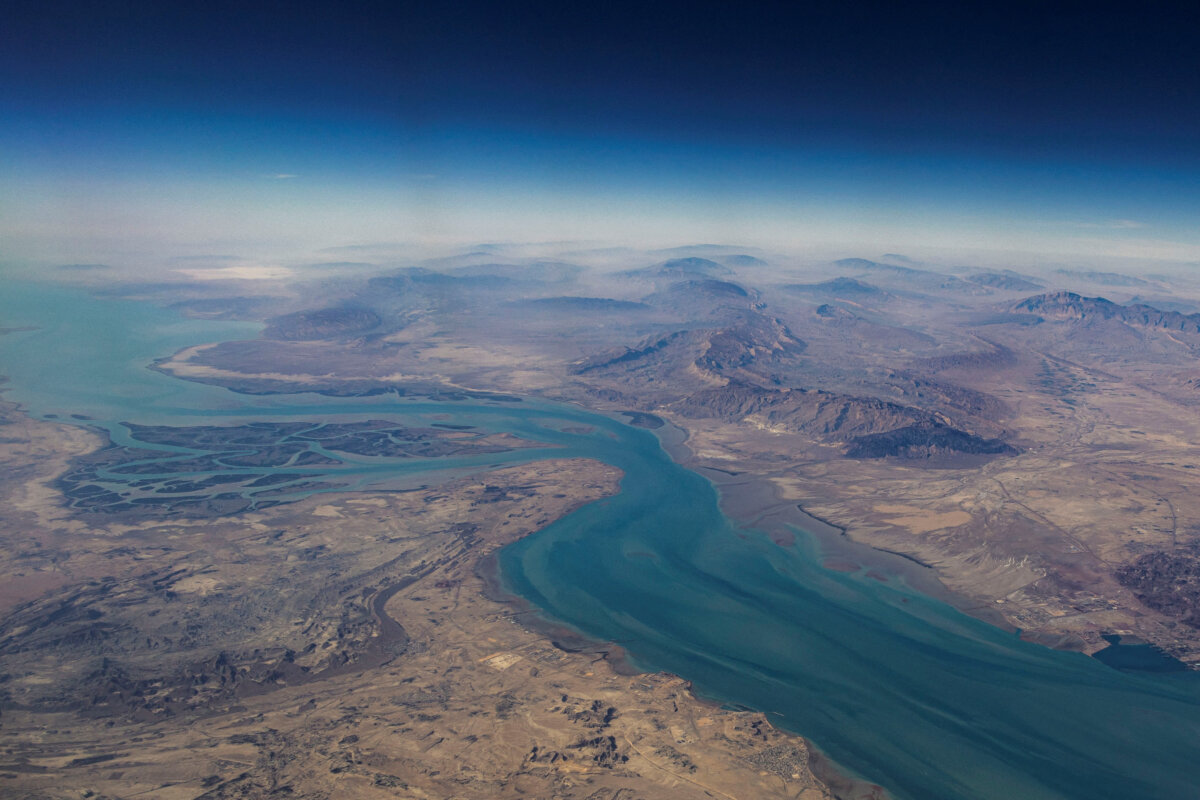
The Iran War has disrupted energy production and halted traffic in the Strait of Hormuz, a vital global chokepoint for oil and gas shipments.
Twenty million barrels of oil and petroleum products and 20 percent of the world’s liquefied natural gas transit through the area.
Scores of countries in the region have shut down oil output.
Iraq suspended operations that will remove 1.5 million barrels per day from global energy markets. Kuwait has started winding down production due to a lack of storage space. Market watchers anticipate other markets in the Middle East, such as the United Arab Emirates, to slow output until the narrow waterway reopens.
While Iran has not closed the shipping route, traffic has come to a standstill because insurance firms are no longer providing coverage to oil and gas tankers, or premiums have spiked.
The administration has attempted to mitigate this by offering guaranteed political risk insurance and naval escorts to restart trade. The White House has not offered a timeline.
Some market watchers are skeptical that this could stabilize transportation in the region.
“While the ballistic missile threat can be taken out, drones could represent a more long-term threat that, while not militarily significant, could discourage commercial tanker traffic for some time,” Simon Lack, portfolio manager at Catalyst Energy Infrastructure Fund, said in a note emailed to The Epoch Times.
“Drones are cheap, easily launched and need only a very low hit rate (probably <1 percent) to make the area look unsafe even with insurance.”
Still, the longer the war in Iran drags on, the worse it could get for energy markets, say ING commodity strategists.
“The market remains well supported with few signs of de-escalation in the Middle East and a resumption of energy flows in the region,” they said in a March 6 note. “Clearly, with every day that goes by without flows resuming, the oil market will reprice the amount of supply lost, leaving room for prices to move higher.”
The Treasury Department also authorized a 30-day waiver allowing India to purchase Russian oil again to ensure the flow of global crude.
While officials—at home and abroad—are considering different measures to stabilize oil markets, the International Energy Agency said its members have no plans to tap into emergency crude reserves.
“Based on my discussions with IEA member governments and looking at current market conditions, there are no plans for a collective action at this stage. We are facing a temporary disruption—a logistical disruption,” IEA Executive Director Fatih Birol told reporters in Brussels.
Other Energy Markets
The situation has already seeped into other corners of the energy sector.
The average price for a gallon of regular gasoline has increased by about $0.27 in the past week, to $3.25, according to the American Automobile Association.
Heating oil prices spiked 40 percent this week, to about $3.61 per gallon.
Natural gas has also picked up steam, rising 6 percent during the March 6 trading session and climbing 12 percent for the week. But prices remain mostly stable, according to Phil Flynn, energy strategist at The PRICE Futures Group.
“Obviously, in Europe, that’s not going to be the case in the short term, but here in the United States, because of record production, we are producing more than we can use right now, and that is keeping our prices fairly stable,” Flynn said in a March 6 note.
In addition, weather forecasts suggest temperatures could be warming, which could weigh on home-heating demand and bolster domestic inventories.
Daily U.S. production is firmly above 100 billion cubic feet.
Global natural gas markets are being impacted primarily by Qatar, which accounts for a fifth of global LNG exports. It serves mostly Asian markets, including China, Japan, and India.
QatarEnergy declared force majeure on LNG shipments this week due to disruptions at its facilities caused by the Iran War. This allows the company to walk away from its contractual obligations because of circumstances beyond its control. It could take weeks for the major producer to restart operations.
Guy Birchall and Reuters contributed to this report.
 Friends Read Free
Copy
Facebook
Tweet
Friends Read Free
Copy
Facebook
Tweet