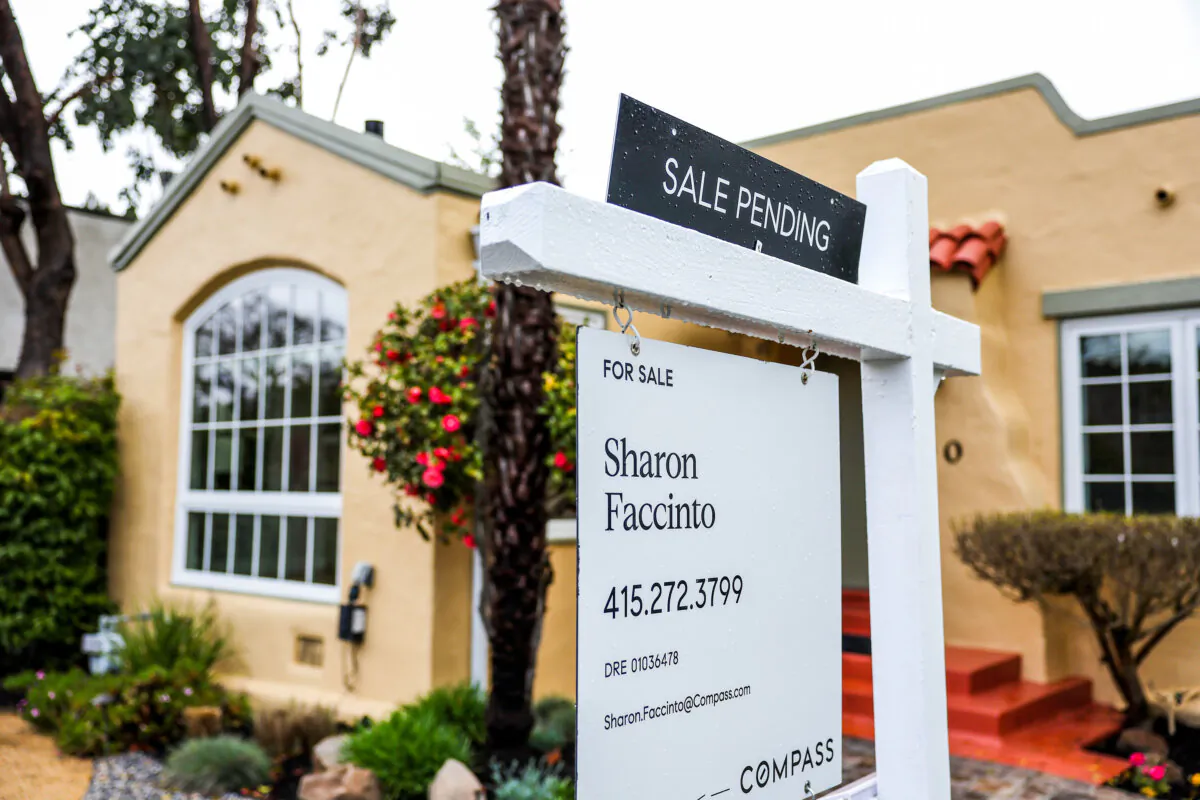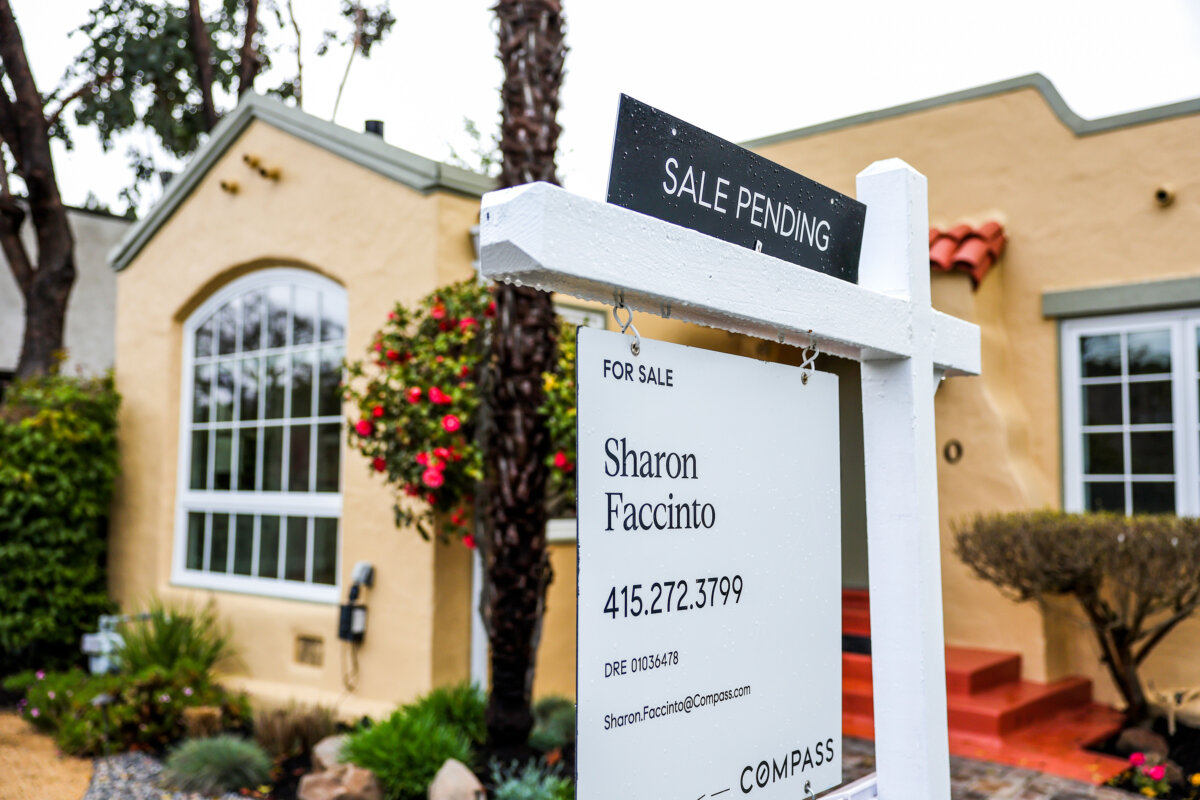

Pending home sales across America increased by 1.4 percent in April, the third straight month of growth, according to a May 19 report from the National Association of Realtors (NAR). Year-over-year, sales grew by 3.2 percent.
According to the NAR report, pending home sales grew month over month in three of four regions in April, with only the South posting a decline.
Still, the South recorded the largest year-over-year sales increase, at 4.7 percent, followed by the West at 3.8 percent and the Midwest at 2.7 percent, while the Northeast logged a 0.6 percent annual decrease.
“Buyers are coming out with cautious optimism despite increasing economic uncertainty and a slight rise in mortgage rates,” NAR chief economist Lawrence Yun said in the report. “Demand will easily be even higher once mortgage rates retreat to the levels they were at earlier this year.”
Meanwhile, he said a majority of markets reported home prices rose in April, and without a significant increase in supply, price growth could outpace wage growth and make homeownership less attainable. “All efforts need to be focused on boosting housing supply,” he said.
Mortgage rates rose slightly in April and further in May. Freddie Mac reported the 30-year fixed mortgage rate at 6.36 percent, and the 15-year fixed rate at 5.71 percent as of May 14.
Stephen Kates, a financial analyst at Bankrate, said higher mortgage interest rates created another headwind for home sales in April. With rates continuing to rise in May, he expects “a potentially disappointing May report.”
“While select regions have seen price cuts, stubborn mortgage rates and rising ownership costs keep homebuying locked in a holding pattern,” Kates said in a note sent to The Epoch Times.
He said potential homebuyers need to strengthen their credit records to secure favorable mortgage rates. “Higher credit scores and minimal outstanding debt remain powerful leverage for squeezing a below-average rate out of a lender.”
Meanwhile, Realtor.com reported on May 19 that down payments fell to a four-year low of $23,400 on average in the first quarter. The amount represents a 19 percent year-over-year decline.
“Down payments are falling as the housing market slowly tilts toward buyers,” Realtor.com senior economist Hannah Jones said in the report.
“High prices and borrowing costs continue to test affordability, and while conditions are improving, some of the buyers re-entering the market are doing so via government-backed programs that have lower down payment requirements.”
The report also noted that rising inventory and greater negotiation power offered buyers some relief from heftier down payments.
According to the report, down payments rose quickly between 2020 and 2022 when competition for housing intensified. They peaked in the second quarter of 2024 with an average of $32,700.
In its April Housing Report, Realtor.com noted that close to 40 percent of potential sellers said they expect to make some type of concessions—a significant increase from 30 percent in 2025.
With more flexibility in down payments, the May Realtor.com report indicates more buyers who had previously been priced out of the market are starting to reemerge. The share of Federal Housing Administration (FHA) loans has held above 24 percent for five consecutive quarters, while Veterans Administration (VA) loans hit 11.7 percent in the earlier part of 2026—the highest in the past 10 years.
“The growing reliance on FHA and VA financing also reflects how much the conventional path to homeownership has narrowed for buyers without significant cash reserves,” Jones added.
Jones also noted that aspiring homeowners who are currently renting may have a more difficult time raising even the average $23,400 for a down payment. Data shows the median renter has only $2,600 in liquid assets, or $2,900 including stocks, bonds, or other investments that could be used toward a down payment.
Regionally, Northeast buyers tend to be saddled with the highest median down payments at $57,600, with down payments soaring by 237 percent since 2019.
 Friends Read Free
Copy
Facebook
Tweet
Friends Read Free
Copy
Facebook
Tweet