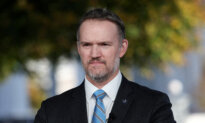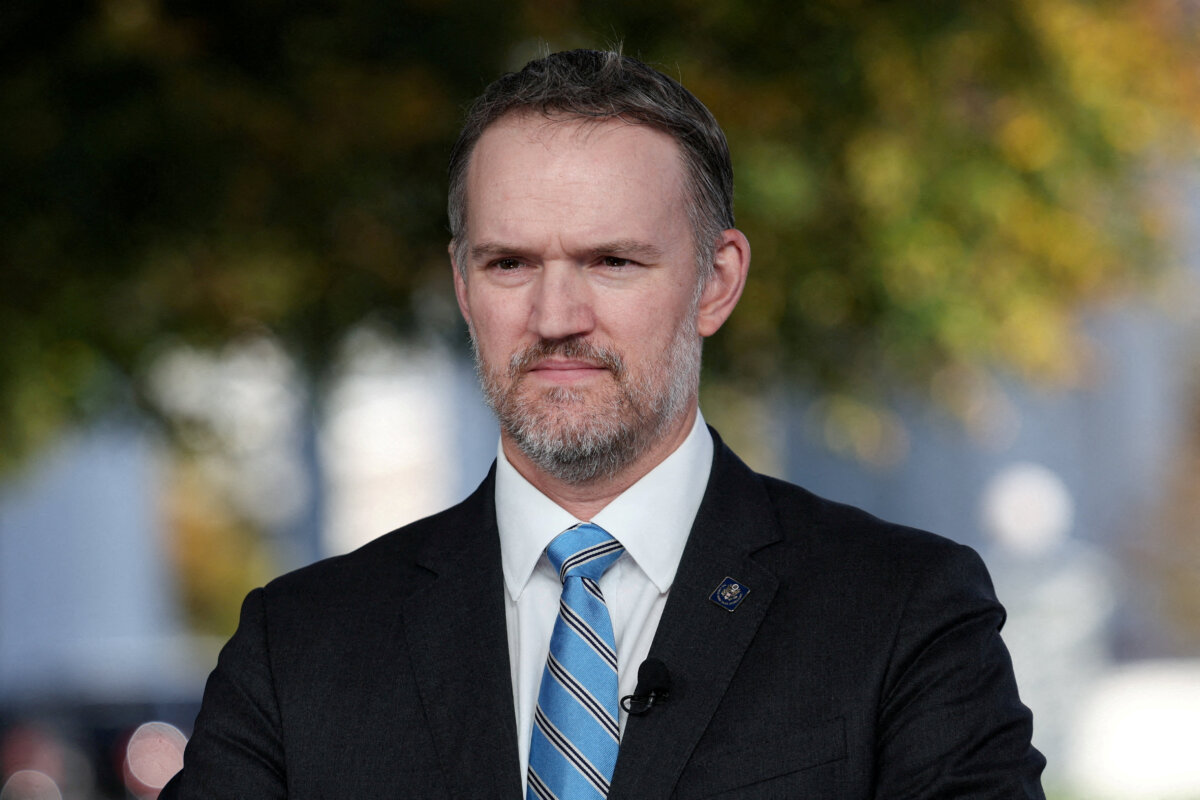

U.S. Trade Representative Jamieson Greer said tariff rates could climb to 15 percent or more for some nations as the Trump administration conducts probes into unfair trade practices after a Supreme Court ruling that invalidated parts of the previous tariff policy.
Greer appeared on Fox Business’s “Mornings With Maria” and spoke with host Maria Bartiromo about a shift to tools such as Section 301, which targets unfair trade practices, including forced labor in supply chains and industrial excess capacity, as the Trump administration seeks to continue its sweeping tariff policy.
“Section 301 allows the Office of the United States Trade Representative to investigate unfair trade practices on a country-by-country basis,” Greer said. “And we’ve identified a lot of these. This includes things like people who use forced labor in their supply chains.”
Greer says the new tool also could target countries with excess industrial capacity that builds beyond demand and floods U.S. markets.
Greer said investigations will include public comments, hearings, and consultations, whereafter Greer’s office will prepare reports of their findings. If countries do not adhere to suggestions in the reports, they could face higher duties.
“We expect to have continuity in what we’re doing,” Greer said, noting that tariffs could exceed 15 percent for certain countries.
Greer also underscored the importance of enforcement.
“These are real agreements, they’re substantive,” Greer said. “And countries have made specific commitments to change some of these unfair trading practices, but we have to make sure they do it.”
Greer said that the United States regularly discusses China’s excess capacity with Beijing. He said he does not expect the country to address the problem fully, noting that tariffs on China would remain at 35–50 percent based on products, which aligns with previous agreements.
“We intend to really stick to the deal that we had before,” Greer said.
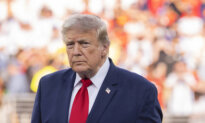
Greer affirmed that U.S. President Donald Trump’s initially imposed 10 percent global tariff under Section 122, which lasts for up to 150 days, is meant to serve as a bridge to a new policy under Section 301.
Greer also confirmed the administration’s view that Section 338 of the Tariff Act of 1930 remains law and could be used in cases in which countries discriminate against the United States in trade practices, allowing for a tariff of up to 50 percent on imports from specified countries.
He underscored that his office’s focus was on Section 301 investigations and strategic, industry-focused Section 232 national security investigations.
“They’ve stood up to legal scrutiny in the past, and they will again now,” Greer said.
Correction: A previous version of this article misspelled the name of U.S. Trade Representative Jamieson Greer. The Epoch Times regrets the error.
 Friends Read Free
Copy
Facebook
Tweet
Friends Read Free
Copy
Facebook
Tweet