

Warner Bros. Discovery said on Feb. 17 that it will resume negotiations with Paramount Skydance after securing a seven-day waiver from Netflix, providing both sides time to resolve what the entertainment empire called “deficiencies” in Paramount’s bid for the iconic film and TV studio.
Negotiations have been intense for the past two months.
In December, Warner Bros. agreed to sell most of its assets—mainly the film studio and HBO—to the streaming titan for $82.7 billion. Paramount initiated a hostile takeover bid, proposing to purchase the entire business for $108.4 billion.
Paramount and Netflix have since amended their proposals multiple times. Warner Bros. executives say, however, that the Netflix acquisition would be preferable for shareholders. Paramount will now have until Feb. 23 to submit its “best and final offer” in the race for the legacy company.
The fierce bidding war for the century-old business is largely driven by its expansive and prestigious intellectual property portfolio and the strategic streaming leverage it offers, say experts.
‘What’s Up, Doc?’
Founded in 1923 by brothers Albert, Harry, Jack, and Sam Warner, the company became one of the world’s largest film studios, fueled by its early adoption of synchronized sound in motion pictures.
Its long production history—and various mergers and acquisitions—has allowed Warner Bros. to amass a major IP portfolio spanning a spectrum of media.
“The assets in Warner Bros. Discovery are so powerful,” Eric Clark, portfolio manager and CIO at Accuvest Global Advisors, said in an emailed note to The Epoch Times.
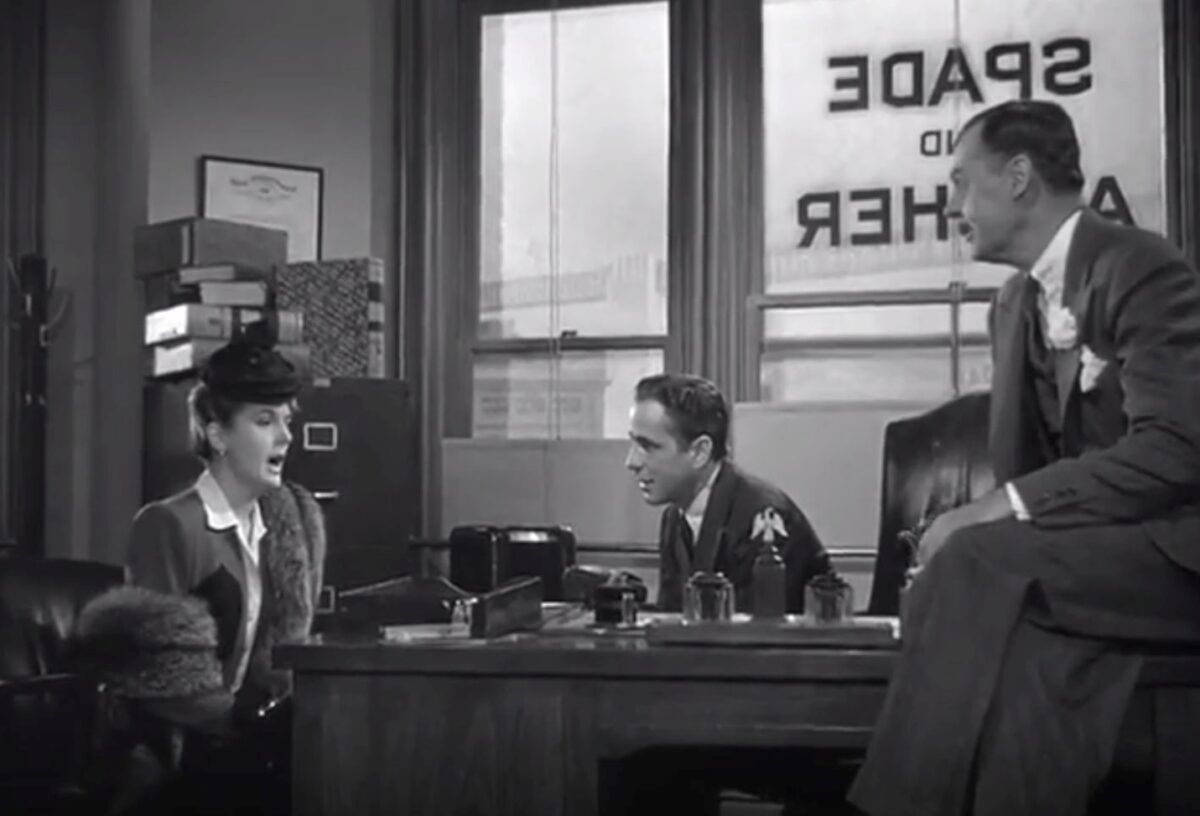
On the movie front, the studio owns the rights to the DC universe (Batman and Superman, for example), “Game of Thrones,” “The Lord of the Rings,” “Dune,” and “The Matrix.” It also enjoys access to an enormous library of classic films, including “Casablanca,” “The Maltese Falcon,” “Citizen Kane,” and “Gone With the Wind.”
Since Warner Bros. owns HBO, the company controls several hit television series, including “The Sopranos,” “Curb Your Enthusiasm,” “The Wire,” and “Succession.” Even in the world of animation, Warner Bros. possesses “Looney Tunes,” “The Flintstones,” “Tom and Jerry,” the DC Animated Universe, and the Cartoon Network.
A broad array of channels also resides in the Warner Bros. ecosystem. CNN, the Discovery Channel, the Food Network, HGTV, TLC, TBS, and TNT are a part of the Warner Bros. family.
Netflix is not pursuing its treasure trove of linear assets. Warner Bros. plans to instead spin off the likes of CNN and Discovery into a separate entity. At the same time, Paramount has proposed acquiring the entire Warner Bros. business.
Streaming Wars
While Netflix is already the world’s largest streamlining platform, its purchase of Warner Bros. streaming and studio assets would solidify its industry dominance.
“I agree with the concept that Netflix really is competing with all of our time,” Clark said. “But within streaming, within the core cable TV viewing, they obviously are the dominant ones. Netflix is the first place that people generally start, and that gives them pricing power.”
Warner Bros.’s rise to near the top of streaming platforms—fourth largest today—has been a multi-decade path.
HBO became part of Warner Bros. through the 1990 merger of Time Inc. and Warner Communications, a deal that created the modern Time Warner conglomerate and brought HBO and Warner Bros. under the same corporate roof for the first time.
Its two streaming services, Max and Discovery+, have had renewed success as of late.
During the first three quarters of last year, Warner Bros. added approximately 10 million new subscribers, bringing its total to 128 million. Revenues and profitability have also risen modestly.
The company stressed quality over quantity, producing fewer but more critically acclaimed and popular titles. This strategy ostensibly paid off in a major way with “Euphoria,” “House of the Dragon,” and “The Last of Us.”
One of the platform’s recent breakout hits was “The White Lotus,” with the Season 3 premiere becoming the most-watched show on Max globally last year.
But Paramount is looking to maintain momentum in its streaming division.
Paramount+ has been one of the company’s bright spots, registering sizable subscriber and revenue growth.
In addition to a deep bench of popular titles—”Landman,” “Mayor of Kingstown,” and “Star Trek” content—the company has engaged in strategic content consolidation that analysts say blurs the line between streaming and linear programming.
In addition, sports rights have contributed to its growth, as Paramount+ features local CBS sports, including NFL games and March Madness. It also struck a long-term, lucrative deal with UFC.
Earnings Season
All eyes will be on the earnings reports for Paramount and Warner Bros. this month.
Warner Bros. will release its fourth-quarter earnings before the opening bell on Feb. 26.
Market watchers do not anticipate significant growth for either its linear programming or streaming.
“Overall, we’re expecting streaming to come in roughly in line with expectations, potentially with some weakness on the linear network side,” Hanna Howard, research analyst at Gabelli Funds, said in a note emailed to The Epoch Times.
“In terms of numbers, we don’t think consensus is too far off, though it probably needs to be a little bit better.”
Average revenue per user (ARPU) will likely trend downward, even as the company could report as many as three million net additions, mainly from international markets.
“On the linear network side, ad revenue is probably going to be weak because of broader ad market dynamics,” she wrote. “Distribution revenue is expected to see some sub losses that likely outweigh the price hikes, and we expect continued structural pressure into 2026, despite some cost savings from the NBA deal.”
As for Paramount, it will publish fourth-quarter earnings on Feb. 25.
The dynamics of its latest dealmaking efforts, from buying “South Park” to its crusade to acquire Warner Bros., will be a theme in its earnings report.
“Warner Brothers dynamics are really what’s going to be driving things, but we’ll also be listening for more color on the fundamentals,” she stated.
 Friends Read Free
Copy
Facebook
Tweet
Friends Read Free
Copy
Facebook
Tweet