
Hong Kong authorities on June 10 charged seven people and two companies with offenses, including manslaughter and conspiracy, over the city’s deadliest fire in decades last November.
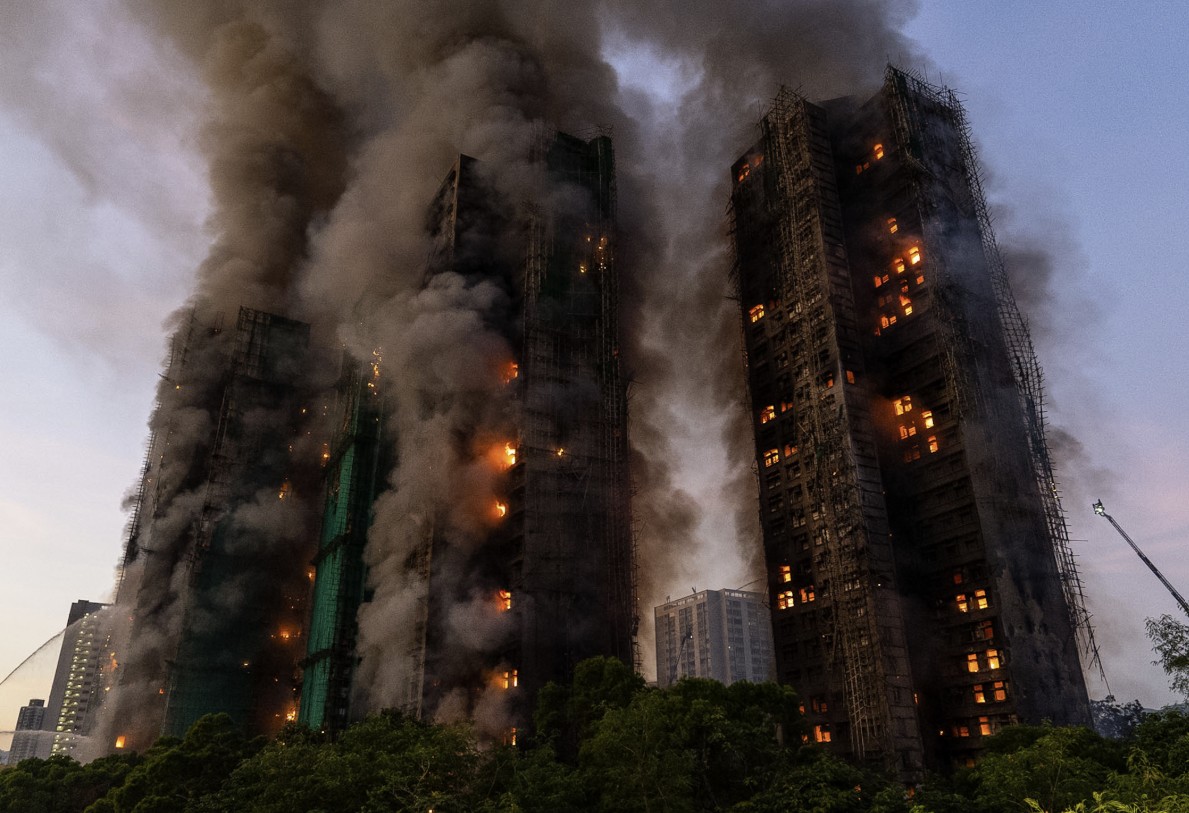
The blaze killed 168 people when it spread through seven apartment buildings in the Tai Po district of the New Territories on Nov. 26, 2025.
Wang Fuk Court—which contained eight apartment blocks housing thousands of people—was being renovated at the time of the fire.
In a statement on Wednesday, the Hong Kong authorities said the police and the Independent Commission Against Corruption had charged the suspects with 25 counts.
Will Power Architects Company, a consultancy firm, and Prestige Construction & Engineering Co., the main contractor involved in the renovation project, are the companies that have been charged.
Senior police superintendent Basil Tang told reporters that the companies had been charged with manslaughter, along with Ng Yeuk and Wong Hap-yin, who are directors of Will Power, and Ho Kin-yip, a director of Prestige.
He said both companies and some of the defendants had also been charged with conspiracy to defraud.
Among the other allegations are money laundering, tax evasion, and attempting to pervert the course of public justice.
The authorities said the seven individuals played various roles in the major renovation project, which was ongoing at Wang Fuk Court at the time of the fire.
Tang told reporters the allegations revolved around alleged serious negligence in monitoring the materials used in the project. Tang pointed to issues such as the use of non-fire-retardant scaffolding netting and foam boards.
‘Obstructing Escape Routes’
“The above work arrangements are suspected of seriously affecting the building’s fire safety, causing the fire to spread rapidly, and also obstructing escape routes, resulting in massive casualties,” Tang said.
All the defendants appeared in court in Hong Kong on Wednesday and said they understood the charges.
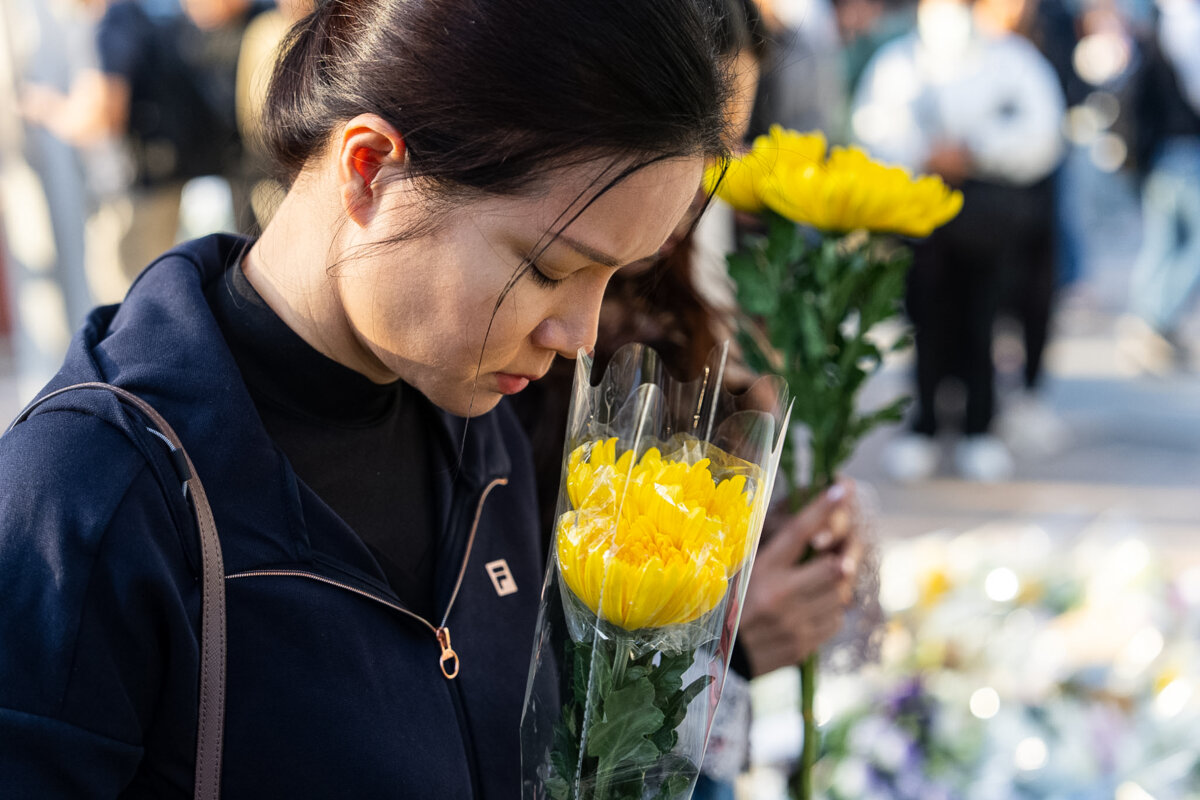
The full list of the victims’ names was also read out from the charge sheets in court, the first time all their identities have been publicly disclosed.
The hearing was adjourned until September.
It was not immediately clear whether any of the companies or individuals had legal representatives who could comment on their behalf.
Hazel Law, principal investigator of the Independent Commission Against Corruption, suggested that other people may also be charged before the investigation concludes.
“We suspect that some people, for their own personal gain, not only failed to fulfill their professional responsibilities, but even used suspected corrupt practices, fraud and other illegal acts to achieve their purposes,” Law said.
In December, Hong Kong’s chief executive announced that a judge-led committee would investigate the cause of the fire, after authorities said that materials used during the renovation works had fueled the blaze.
Victor Dawes, a lawyer representing the committee, has previously said human error was to blame for the failure of almost all fire safety systems on the day.
The Hong Kong fire has similarities with the Grenfell Tower blaze in London in 2017, in which 72 people died.
The Metropolitan Police (Met) in London is conducting a criminal investigation into the use of flammable panels installed on the 24-story building during renovation work.
Last month, the Met said it was on track to submit all files to the Crown Prosecution Service by the end of September, for a decision on whether to charge individuals or companies.
In 2022, the British Parliament passed the Building Safety Act, which introduced tougher rules on cladding for new high-rise buildings.
The Associated Press contributed to this report.
 Friends Read Free
Copy
Facebook
Tweet
Friends Read Free
Copy
Facebook
Tweet