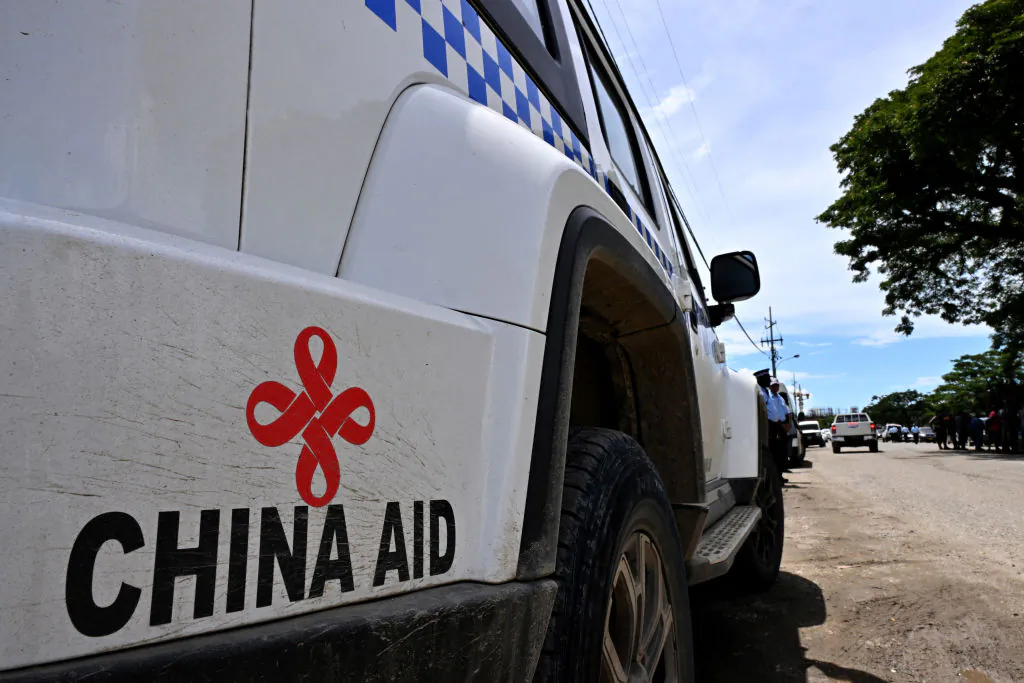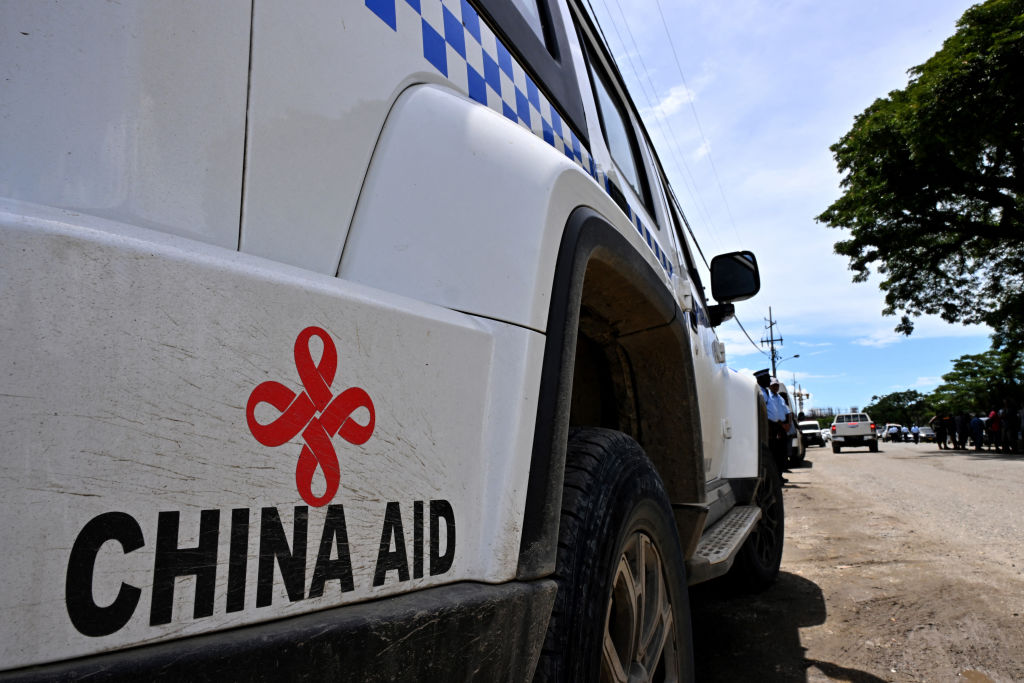

The Chinese regime continues to weaponize its debt-trap diplomacy to displace Western influence and assert dominance in the Pacific, even though its new loan deals have declined in recent years, experts warn.
Beijing’s strategy has now shifted toward smaller, locally targeted initiatives in the Pacific, according to a report published by Australia’s Lowy Institute on July 28.
The pivot comes as a stumbling Chinese economy leaves the regime with fewer foreign exchange reserves to fund overseas activities, according to Grant Newsham, a retired U.S. Marine officer and former U.S. diplomat.
“Thus, it is being more selective and more financially cautious in how it conducts its overseas activities, including ‘development’ activities,” he told The Epoch Times.
Newsham noted, however, that the objectives of the Chinese Communist Party (CCP) have not changed, as it seeks to integrate itself into the Pacific Islands.
“China still is very active with fully staffed embassies and Chinese businessmen throughout the region,” he said.
The decline in financing was part of Beijing’s broader reevaluation of its global aid programs and shifting diplomatic calculations, according to Richard Herr, an adjunct senior lecturer in the Faculty of Law at the University of Tasmania in Australia.
“[There is] a perceived lower political need to counter the Taiwanese presence in the region given its success in reducing the number of missions that Taipei has in the South Pacific today,” Herr told The Epoch Times.
The CCP has vowed to annex Taiwan by force, despite never having governed it, and has used financial inducements and geopolitical coercion to isolate the self-governed democracy diplomatically.
Papua New Guinea Foreign Minister Justin Tkatchenko said on July 16 that Taiwan’s representative office in the country would be closed immediately, framing the move as an “administrative alignment” to elevate ties with Beijing.
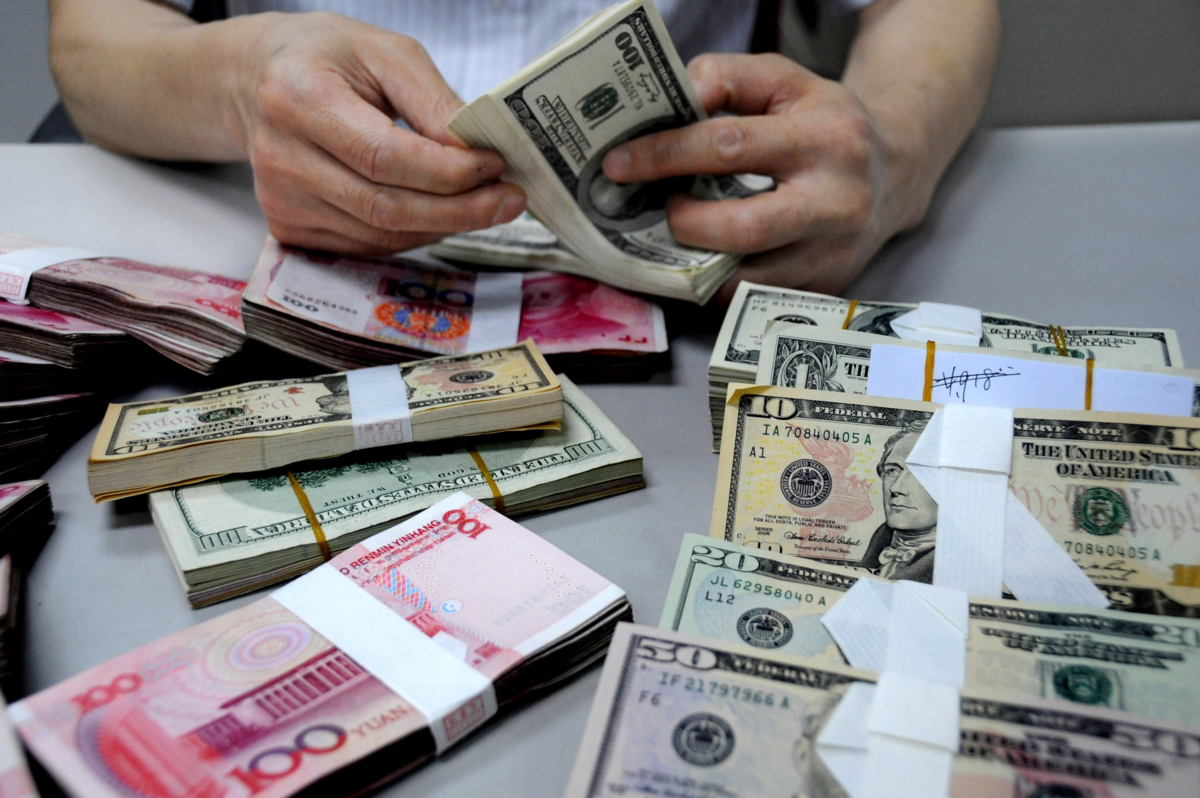 A staff member counts money at a branch of the Bank of China in Lianyungang, Jiangsu Province, China, on Aug. 10, 2011. (VCG/VCG via Getty Images)
Economic Aid as Leverage
The Lowy Institute report suggests that China’s Pacific aid maintains “clear alignment” with broader diplomatic objectives, such as the comprehensive assistance package pledged following Nauru’s 2024 switch in diplomatic recognition from Taipei to Beijing.
Taiwan now maintains diplomatic relations with only 12 allies, following similar realignments from the Solomon Islands and Kiribati in 2019.
Newsham said that the Chinese regime always uses economic assistance and other forms of aid for political leverage.
“China’s aim is to create vassal states totally beholden to the PRC,” Newsham said, referring to the acronym for communist China’s official name, the People’s Republic of China.
The regime “aggressively subverts a local constituency that sees China as being a desired financial benefactor via its aid programs.”
Herr said this reliance on bilateral economic leverage reflects Beijing’s broader diplomatic posture, particularly given its struggles to negotiate multilateral treaties.
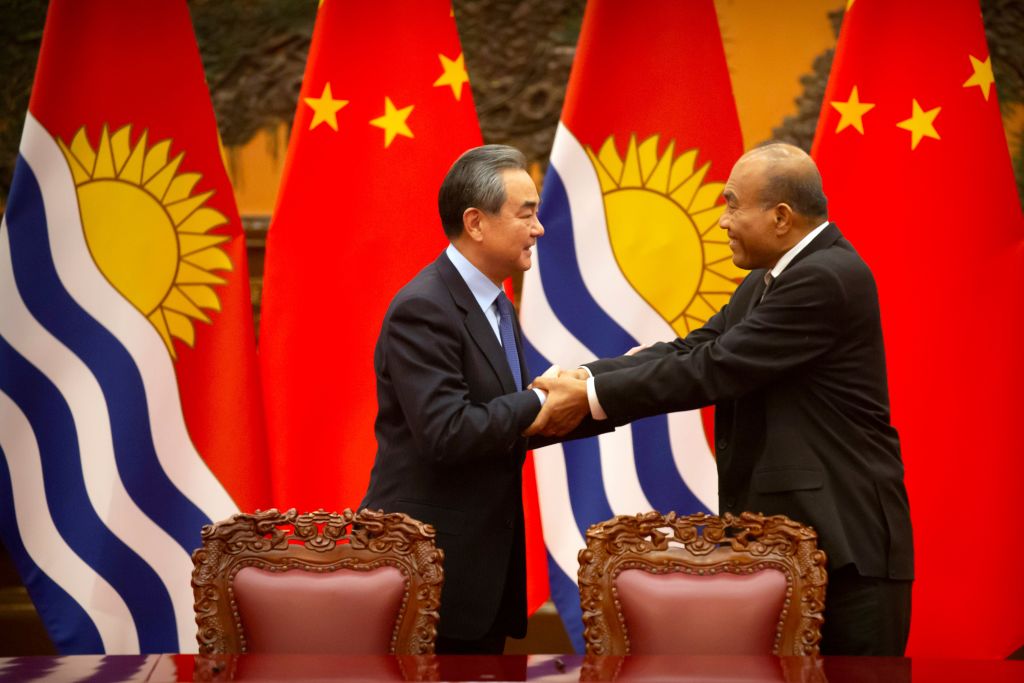 Chinese Foreign Minister Wang Yi (L) and Kiribati President Taneti Maamau shake hands during a signing ceremony at the Great Hall of the People in Beijing on Jan. 6, 2020. (Mark Schiefelbein/Pool/AFP via Getty Images)
In 2022, Beijing proposed a sweeping regional pact to 10 Pacific nations, but the deal ultimately stalled after some leaders pushed back over sovereignty concerns.
Debt Traps
The Lowy Institute report notes that China’s lending boom from the mid-2010s is now maturing, leaving Tonga, Samoa, and Vanuatu with “substantial debt obligations to Beijing.”
Beijing’s refusal to extend final loan deadlines to Tonga has made the situation “especially difficult,” while Samoa and Vanuatu face repayment obligations equivalent to more than 1 percent of GDP, it warns.
Herr said the “debt traps”—a term analysts often use in assessing China’s Belt and Road Initiative—have already been set for several Pacific nations that relied heavily on Chinese infrastructure loans in the past, and they could hinder these countries’ economic growth.
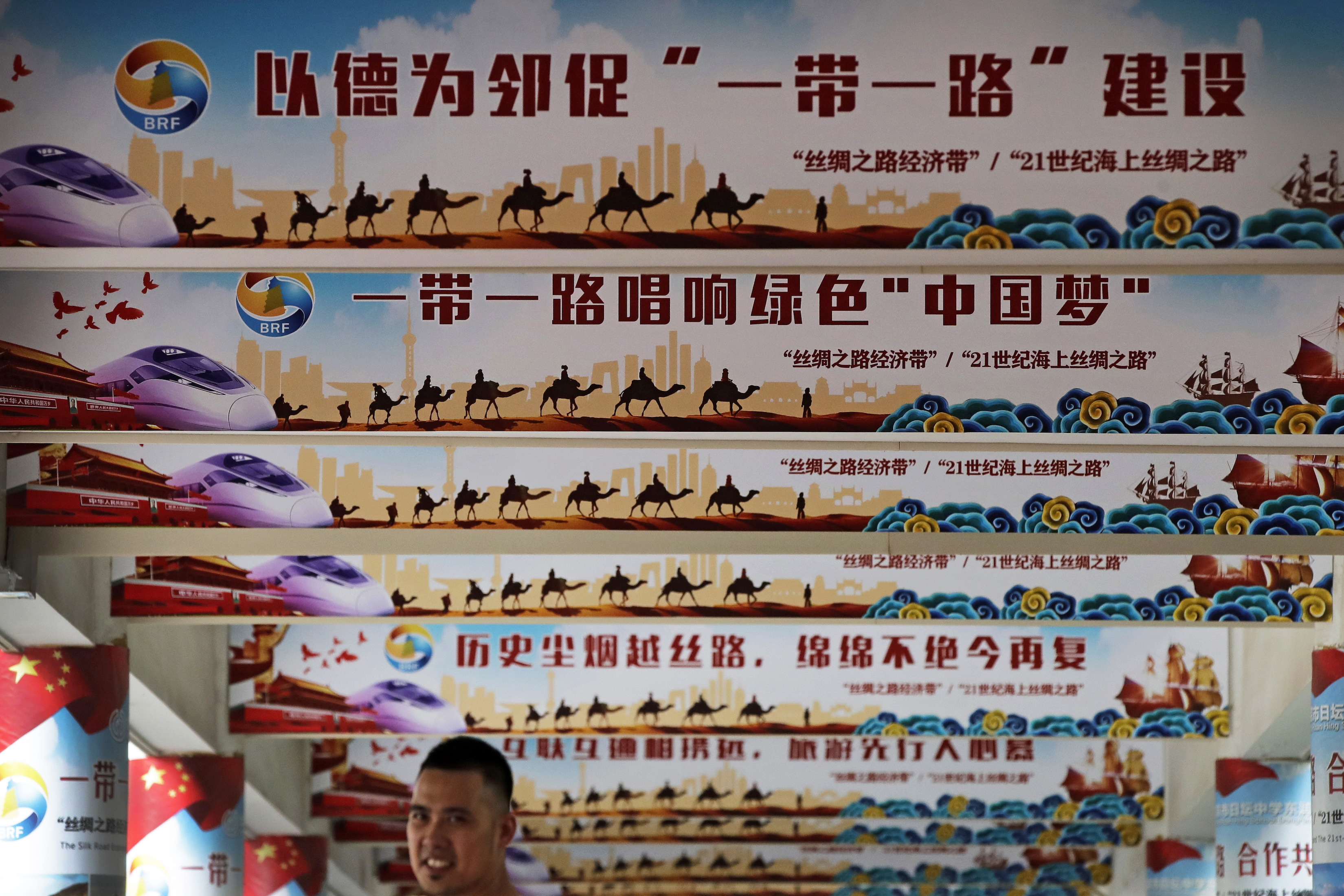 A man stands underneath the pillars displaying Chinese leader Xi Jinping’s signature “China Dream” and “One Belt, One Road” foreign policy plan during an event in Beijing on June 29, 2018. (Andy Wong/AP)
“These companies are competing unfairly with local construction firms, stunting the development of domestic capacity in these countries.”
Newsham said that debt traps are effective, and lending is one of the main ways the CCP builds influence.
“It is in the Chinese toolbox and is used often,” he said.
“Corruption, bribes, and payoffs are another tool, along with sometimes building public buildings, roads, ports, and even houses for prominent officials.”
Building psychological dependencies among key constituencies and important locals who come to see the CCP as the “better option” is equally crucial, according to Newsham.
“China’s aim is domination and also displacing Australia, [New Zealand], and the West,” he said.
Countering China’s Influence
According to the Lowy Institute report, as Chinese loans to the Pacific continue to decline, Australia remains the region’s largest development partner by a considerable margin.
The annual analysis, which tracks foreign assistance and state-backed loans across the Pacific, shows that Australia injected $1.5 billion into the region, accounting for 37 percent of total regional financing in 2024.
China ranked as the sixth-largest contributor, representing 6 percent of total regional funding.
From 2010 to 2019, Beijing signed about $3.6 billion in loans to Pacific nations, which accounted for more than one-third of all lending deals in the region.
Since 2020, however, Chinese commitments have plummeted to $390 million in new loan deals, dropping average annual disbursements to less than half of previous levels.
Pacific appetite for Chinese financing has weakened since 2019, driven by debt sustainability concerns, increased competition from other major partners, and tighter capital availability in China’s policy banks, the report said.
Canberra has been deepening its engagement with the Pacific and stepping up assistance to the region, signing security cooperation agreements with several nations since 2023.
Herr said that it was no coincidence that Canberra struck more deals and became the region’s largest aid donor as Beijing expanded its reach.
“For the past two decades, there has been increasing evidence of jockeying with China over Beijing’s increasing presence in the region,” Herr said.
“More recently, the expanded range of Australian aid to the region to include infrastructure development support—both with loans and grants—has become more evident.”
Newsham concurred, saying Canberra’s engagement in the Pacific is wide-ranging, from economic, political, social, to military.
“Canberra is very worried about Chinese inroads into the Pacific Islands, and is indeed trying to counter it—even if it claims it isn’t,” Newsham said.
 Friends Read Free
Copy
Facebook
Tweet
Friends Read Free
Copy
Facebook
Tweet