
The Vuvale Union, a new treaty between Fiji and Australia, has been approved by the Fijian cabinet as the two nations move to deepen cooperation across security, economic, and development areas.
The Fijian government described the agreement as a “treaty-level framework” designed to formalise and strengthen long-standing bilateral ties.
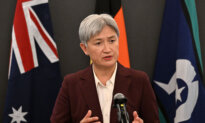
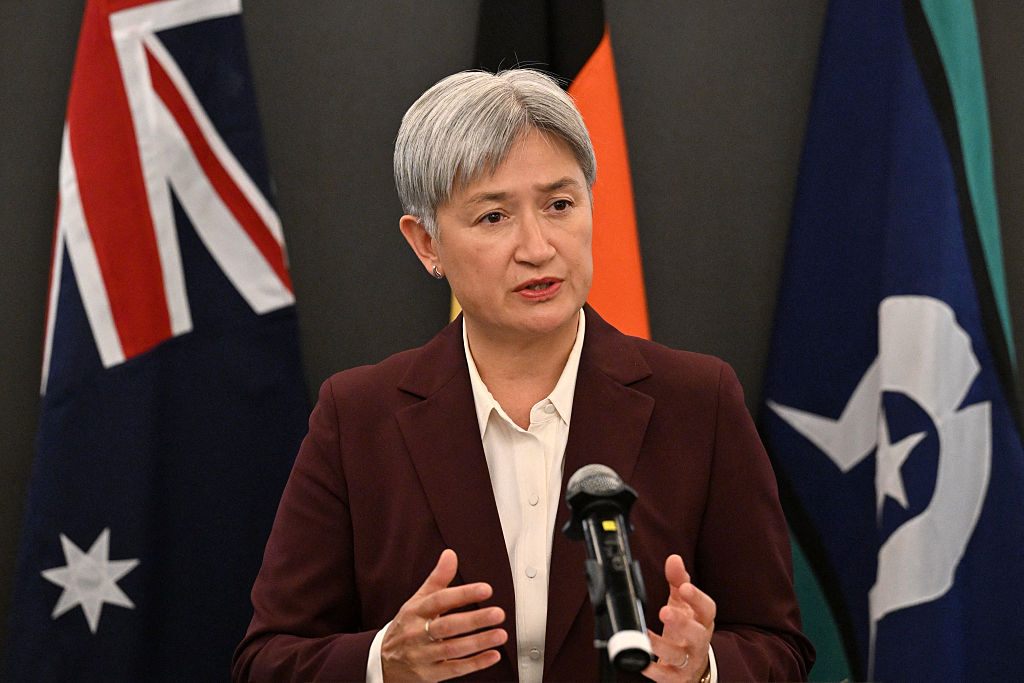
The agreement was discussed this week in Suva between Australian Foreign Minister Penny Wong and Fijian Prime Minister Sitiveni Rabuka.
The Vuvale deal comes as reports suggest ongoing negotiations between Australia and Vanuatu over the long-delayed Nakamal Agreement, while Beijing grows ever closer to signing its own accord, the Namale Agreement, with Port Vila.
China has increased its involvement in policing and security cooperation across parts of the Pacific in recent years, including training and capability support to regional governments.
However, the status of broader regional security arrangements remains fluid.
‘Grounded in Long-Term Partnership’
Wong said the Vuvale Union would deepen cooperation across security, economic development and regional resilience, while Rabuka pointed to deepening cooperation across economic integration, climate security, digital connectivity, employment, education, health, infrastructure, and regional development.
Australia also said it would strengthen cooperation with Fiji on addressing transnational crime, including drug smuggling, through enhanced intelligence sharing and law enforcement coordination.
“Australia and Fiji share an enduring partnership,” Wong said.
“By deepening our partnership with Fiji, we are investing in a more secure, stable, and resilient region.”
She said Australia’s engagement in the Pacific was grounded in long-term partnership.
“Strengthening our ties with Fiji is a key part of Australia’s broader commitment to the Pacific, grounded in listening and long-term collaboration,” she said.
“Australia will continue to stand alongside Fiji and other Pacific Island partners to address fuel security challenges, including advocating for open and stable global supply routes so essential shipments can reach our region.”
$30 Million Budget Support Amid Fuel Price Pressures
As part of the package, Australia announced $30 million in targeted budget support for Rabunka’s government to help manage rising fuel costs and broader cost-of-living pressures.
Wong said the funding was designed to help cushion the impact of global fuel price increases on Pacific economies.
“We understand the extent to which this is being felt as a price shock in Fiji, and we want to provide our assistance,” she said.
“It will also reinforce your role as a supply and storage hub for so many Pacific nations.
“We want a Pacific-led response to global shocks that we can all back because that is what makes our economies stronger and more resilient.”
Focus on Transnational Crime
Australian Minister for Pacific Island Affairs Pat Conroy said Australia would stand “shoulder to shoulder” with Fiji in combatting transnational crime.
He said cooperation already included maritime capability support, including patrol boats and investment in Fiji’s maritime enforcement structure.
“We are already, prior to the establishment of the Vuvale Union, providing support to Fiji, including improved capacity to detect threats through the $83 million investment in the Vuvale Maritime Essential Services Centre, to support Fiji’s maritime capabilities,” he said.
“Looking ahead, the Vuvale Union will further strengthen Fiji’s capabilities across interdiction, policing, legislation, prosecution and importantly, health.”
It is Australia’s first public financial commitment to help Pacific nations cope with supply shocks caused by the fuel crisis.
Although there have not been any significant fuel shortages in the Pacific, rising oil prices have already had a negative impact on Pacific economies, and regional leaders are still concerned about potential shortages beginning in July.
Wong said Australia was working with Pacific partners to strengthen resilience to external shocks and support coordinated regional responses.
“We want a Pacific-led response to global shocks that we can all back,” she said.
 Friends Read Free
Copy
Facebook
Tweet
Friends Read Free
Copy
Facebook
Tweet