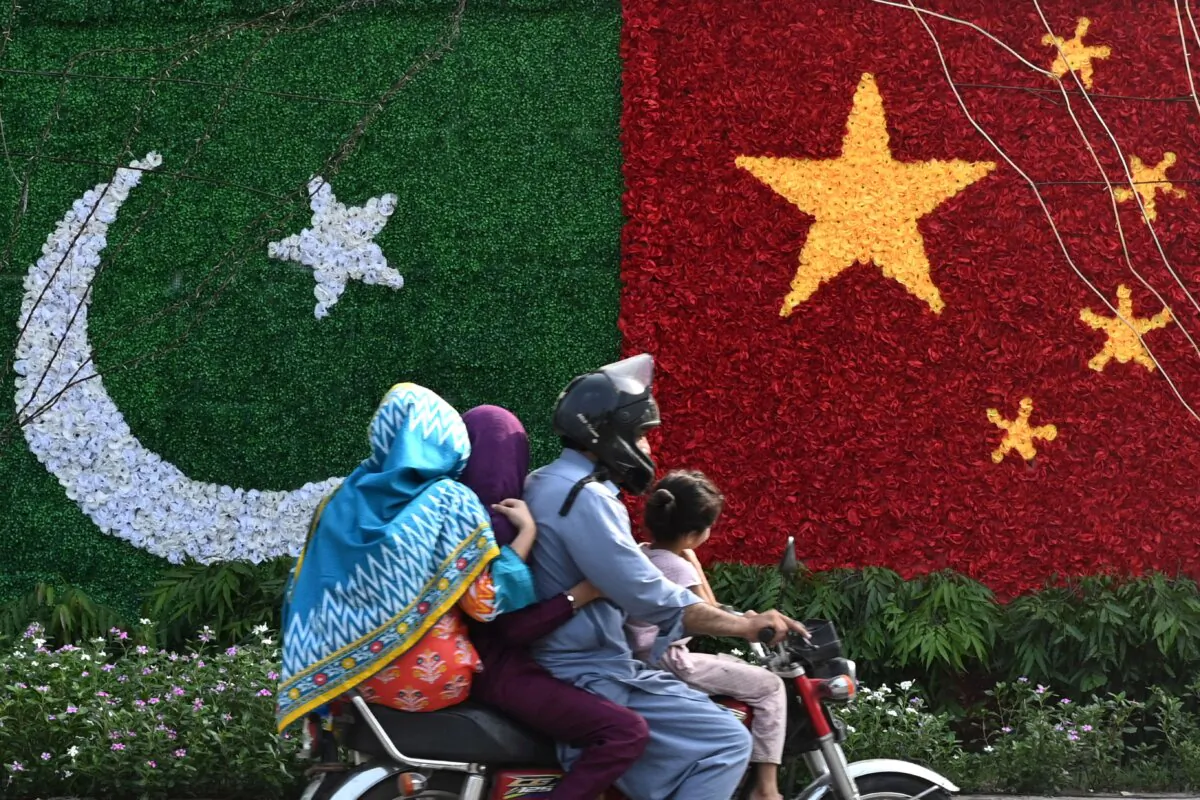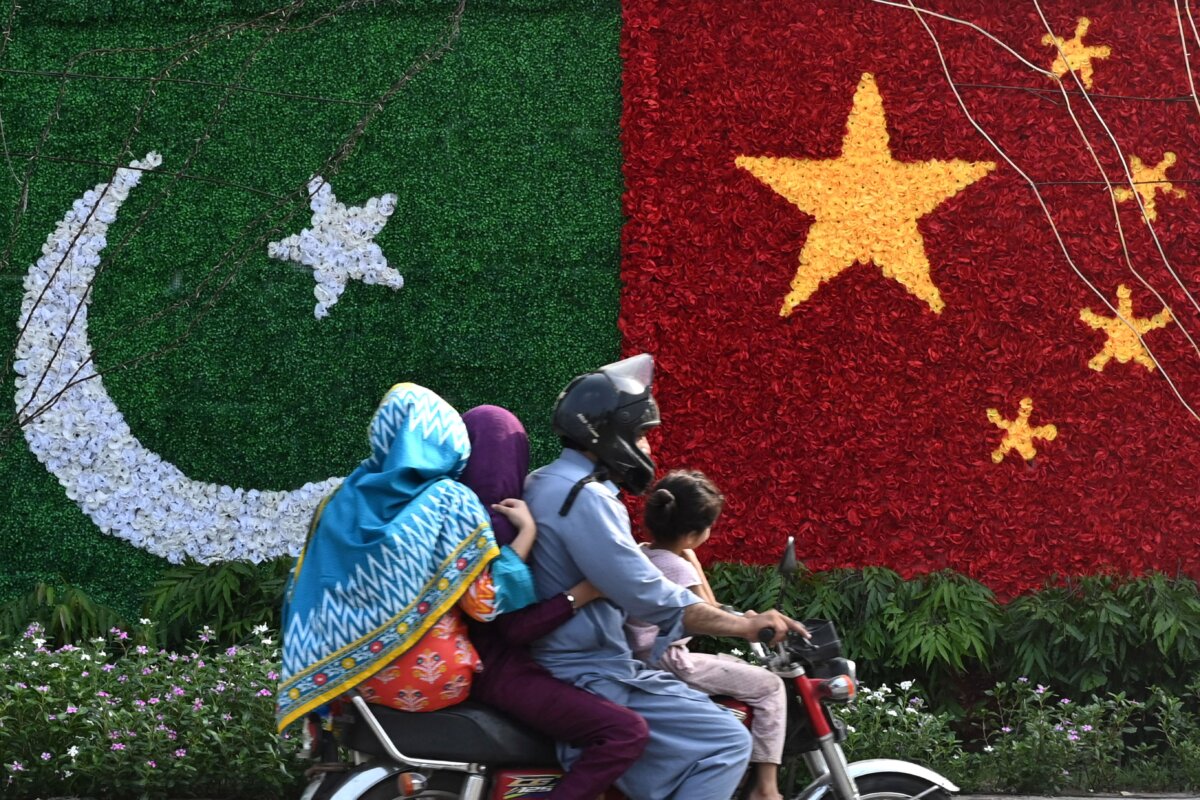

China is using army exercises with Pakistan to train its forces under realistic combat conditions while piling pressure on India from two sides, experts say.
The assessment comes as Beijing and Islamabad launched their first joint army training on Oct. 14, according to China Central Television, China’s largest state broadcaster.
Officially known as “Karakoram-2026,” the drills are being held in Korla in the far-western Xinjiang region, one of the few ethnic minority autonomous regions under Beijing’s rule.
Running through to late October, the exercises will center on high-altitude counterterrorism sweeps, including drone operations and joint command maneuvers, state media China Daily reported.
“For China, this is an important stage to prove to neighboring countries that its army units and unmanned combat systems hold up under near-real combat conditions,” Richard Chou Yu-ping, a member of the Evaluation Center Committee at Taiwan’s National Defense Industrial Development Foundation, told The Epoch Times.
As Beijing has confirmed, Pakistani troops are using Chinese-supplied gear in the drills, which could give the People’s Liberation Army (PLA) “firsthand data to improve equipment and counterterrorism tactics,” Chou said.
Encircling India
Chou said the drills pile pressure on India.
“The exercises tell India that Chinese and Pakistani troops can fight in lockstep and jointly defend their frontier,” he said.
“India may see this as ‘encirclement’ taking shape, which could push New Delhi to add troops along its borders with China and Pakistan and even speed up defense cooperation with the United States.”
Su Tzu-yun, director of the Division of Strategy and Resources at the Institute for National Defense and Security Research in Taiwan, told The Epoch Times that the training means India will need to “keep a closer eye” on future Chinese–Pakistani military cooperation along its western frontier and in Kashmir, a region both New Delhi and Islamabad claim.
In May 2025, the two South Asian neighbors traded fire in Kashmir, leaving dozens dead in their worst violence in two decades.
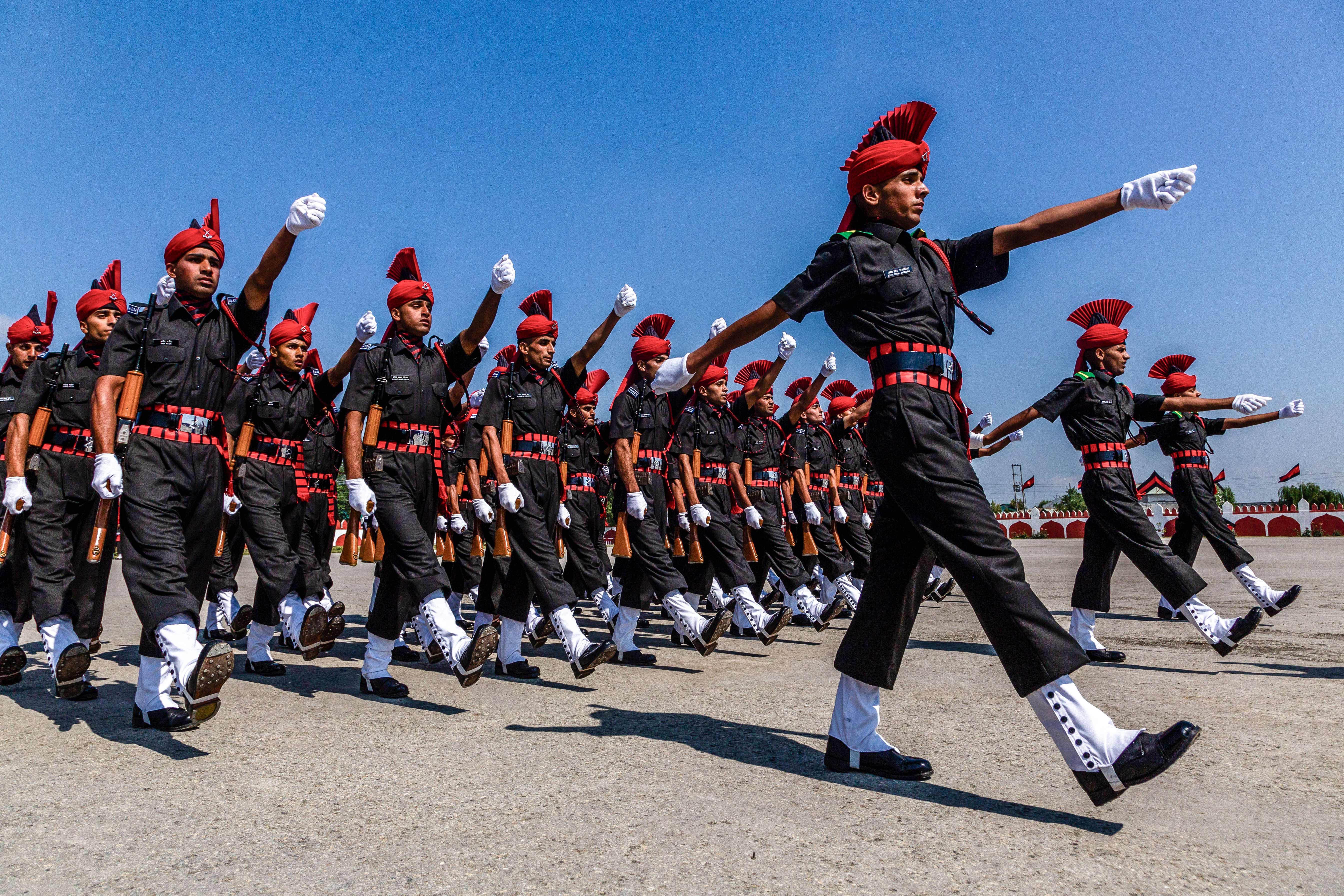 Indian army recruits from the Jammu and Kashmir Light Infantry march during their passing-out parade in Srinagar, India, on June 5, 2025. (Yawar Nazir/Getty Images)
Closing Ranks
Chou said the drills send a political signal to Pakistan.
“Beijing has upgraded the joint training from the usual special forces teams to regular army formations,” he said.
“It tells Pakistan’s military to do more to protect Chinese investments and personnel there.”
Pakistan hosts the China–Pakistan Economic Corridor, a flagship project of China’s Belt and Road Initiative—an infrastructure mega-project analysts view as a tool for projecting global influence—but Chinese workers and projects there have faced a string of terrorist attacks and other threats in recent years.
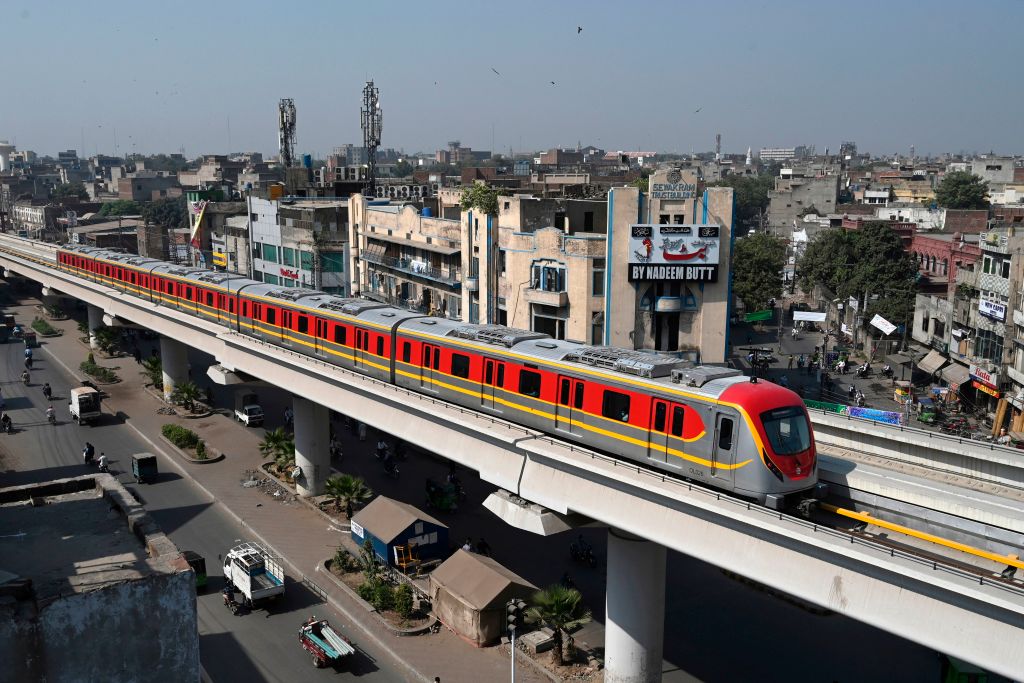 A newly built Orange Line Metro Train drives through the eastern city of Lahore on Oct. 26, 2020. (Arif Ali/AFP via Getty Images)
“If the entire exercise is about learning tactics, practicing them, enhancing interoperability between the forces, then it only means that they are deepening their collaboration,” Sareen told The Epoch Times.
China and Pakistan, which mark 75 years of diplomatic ties this year, often call their friendship “ironclad,” a bond they have formalized as an “all-weather strategic cooperative partnership.”
Su said Beijing is cementing its influence in South Asia.
“China-Pakistan cooperation will go beyond arms sales, military technology and diplomatic backing, and may extend to carrying out security missions together,” he said.
Since 1990, China has been Pakistan’s largest arms supplier, according to an August report by The Heritage Foundation, a Washington-based conservative think tank.
Crossing the Line
Song Zhongping, a military expert often quoted by China’s state press, told Hong Kong media Mingpao on Oct. 11 that the army training suggests China and Pakistan could carry out joint cross-border counterterrorism operations in the future.
Chou said that if Chinese troops took part in such operations, Beijing would break its long-held pledge not to interfere in other countries’ internal affairs.
“It would deepen concerns in the United States and Europe that China is expanding its military reach,” he said.
The regime’s possible role in those missions could also inflame internal tensions and fuel extremism in Pakistan, Chou said.
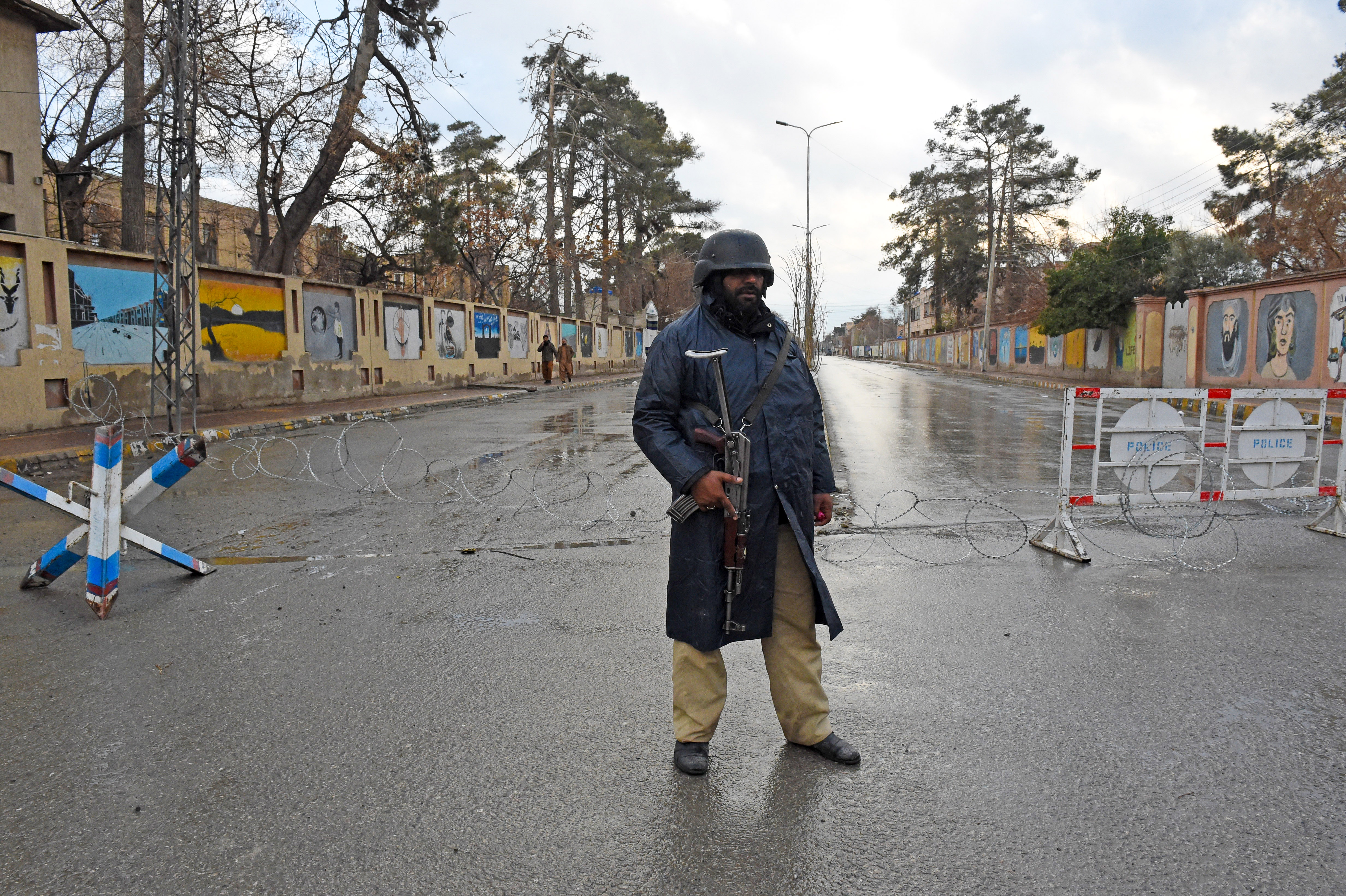 A policeman stands guard near the blast site after an attack by Baloch separatists in Quetta, Pakistan, on Jan. 31, 2026. (Adnan Ahmed/AFP via Getty Images)
“That would turn their armed struggle against the government into a fight against foreign interference and further destabilize the country.”
Sharpening Strike Power
Su said the regime could feed lessons from its cooperation with Pakistan into developing and upgrading its military hardware.
“Working together, the two sides can learn where drones fall short in rough terrain with spotty communications and unpredictable threats, and how to get reconnaissance to commanders on the ground,” he said.
Chou said the PLA—which has not fought a full-scale war since its 1979 conflict with Vietnam—can use the drills to draw on the experience of Pakistani troops who have spent years battling militants in border areas, sharpening its strike power.
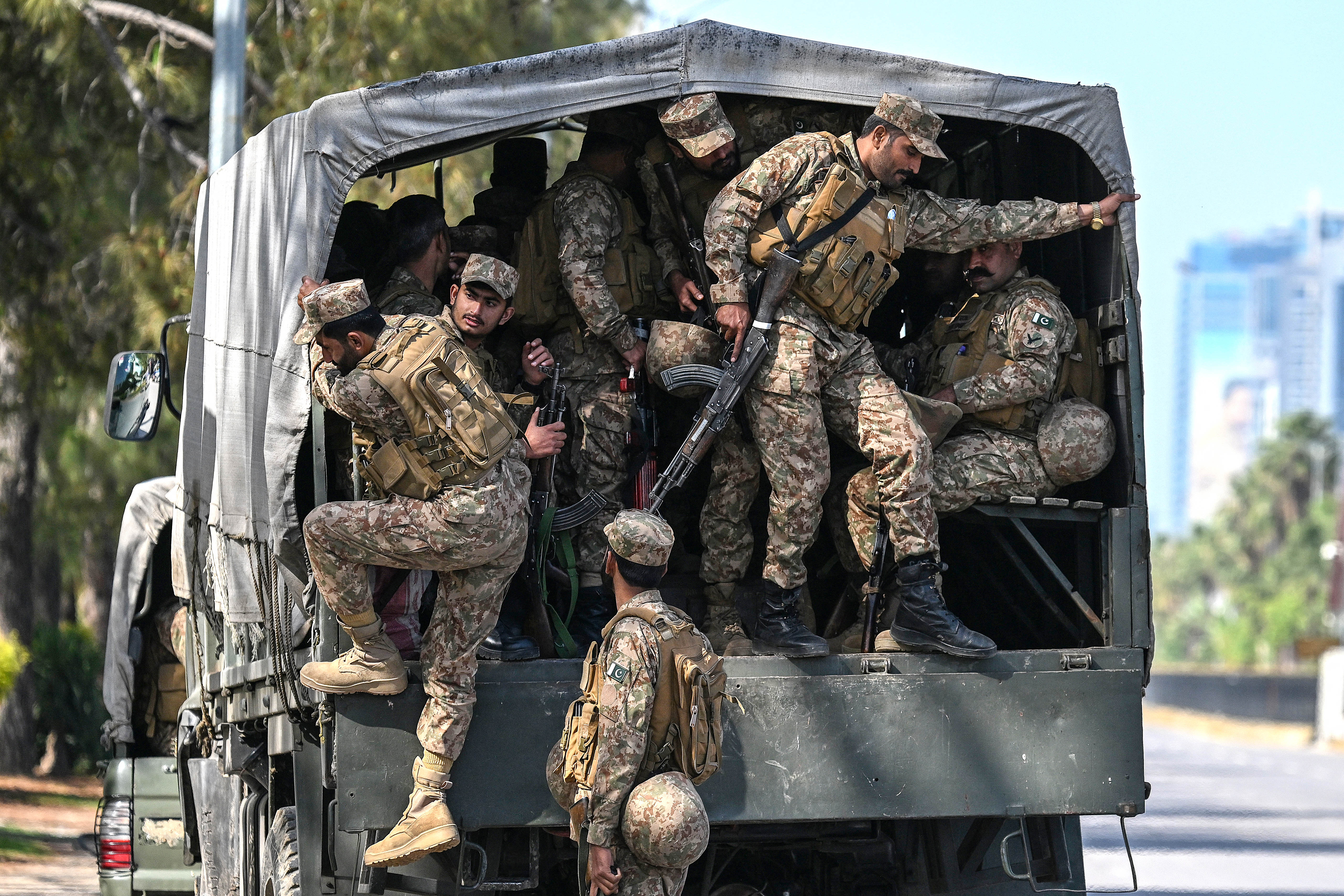 Pakistani army soldiers arrive for deployment in the Red Zone area of Islamabad, Pakistan, on April 10, 2026. (Aamir Qureshi/AFP via Getty Images)
Chou said the drills also wire Pakistan’s army into the PLA’s command and intelligence networks, making the two militaries increasingly able to operate together.
“Beijing is trying to tie its partners to Chinese hardware and technology and to signal it has the power and the ambition to reshape the regional order,” Chou said.
 Friends Read Free
Copy
Facebook
Tweet
Friends Read Free
Copy
Facebook
Tweet