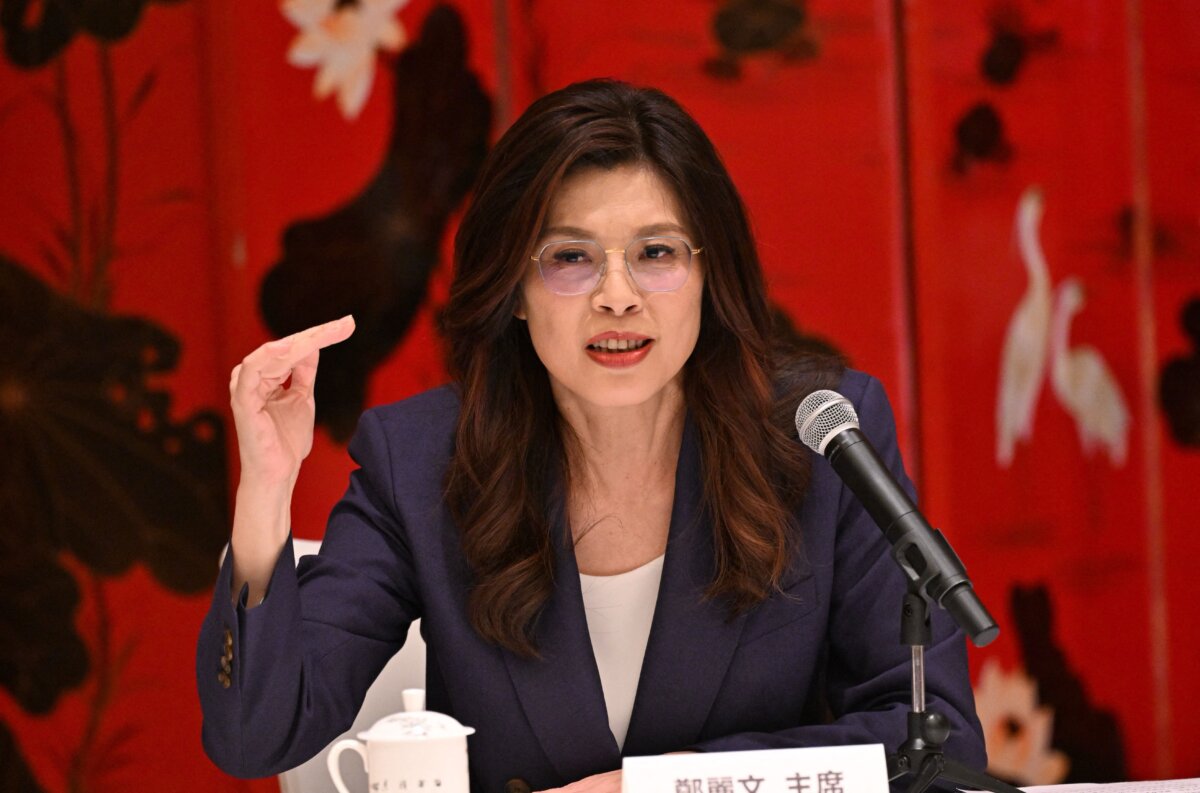
The recent high-profile meeting between Taiwanese opposition figure Cheng Li-wen and Chinese leader Xi Jinping in Beijing has triggered a wave of criticism in Taiwan, after Cheng publicly praised China’s development under Xi, using language closely associated with Chinese Communist Party (CCP) propaganda.
During the April 10 meeting, Cheng—chair of Taiwan’s opposition Kuomintang (KMT)—credited Xi with leading China to “complete poverty alleviation” and achieving a “moderately prosperous society,” while expressing optimism about the country’s continued rise.
She also invoked signature political slogans such as the “great rejuvenation of the Chinese nation” and called for cross-strait cooperation to build a “community of shared destiny.”
In the meantime, the CCP has escalated military pressure on Taiwan after repeatedly threatening “reunification” with Taiwan by force.
Backlash, Questions Over Beijing’s Narrative
The remarks quickly drew online backlash and criticism from political figures across Taiwan, with critics accusing Cheng of echoing Beijing’s official narratives and undermining Taiwan’s sovereignty.
Critics drew on longstanding doubts about Beijing’s poverty claims. The late former Chinese Premier Li Keqiang acknowledged in 2020 that around 600 million Chinese citizens earned only about 1,000 yuan ($140) per month, a remark widely seen as undercutting official narratives of nationwide prosperity.
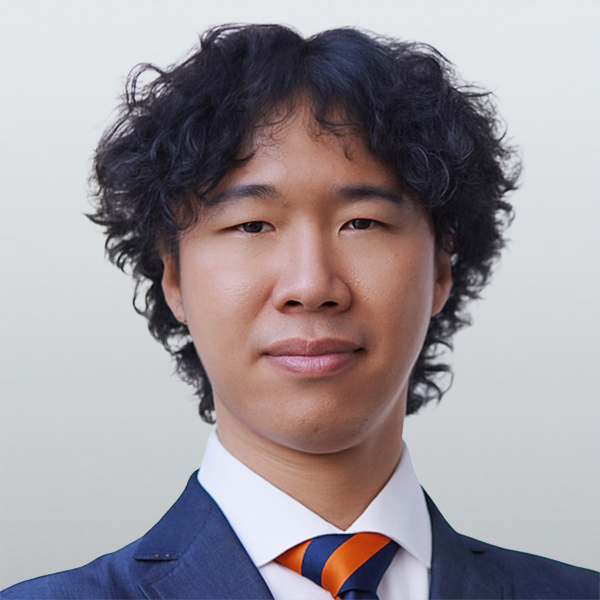
Taiwan-based Japanese journalist Akio Yaita described Cheng’s rhetoric as “a blatant political surrender.”
“One side stood cold and firmly in control, while the other deliberately lowered its posture, openly displaying a subordinate relationship,” Yaita wrote on X. “The KMT has not only lost its political dignity but is also attempting to place the fate of Taiwan’s 23 million people on the negotiating table.”
A Beijing-based scholar, speaking to The Epoch Times on condition of anonymity for fear of reprisal, said Cheng’s praise of Xi was politically unwise, noting that the Chinese leader’s reputation has deteriorated at home and abroad.
“Xi faces growing criticism and lacks genuine recognition abroad,” the scholar said. “While he retains tight control over power, much of the support around him is driven by self-interest.”
The scholar suggested the timing of the meeting may also carry geopolitical signaling: With U.S. President Donald Trump expected to visit China next month, Beijing could be using the Cheng–Xi meeting to project an image of cross-strait alignment, particularly by highlighting engagement with Taiwan’s largest opposition party.
“This kind of messaging is more about optics than substance,” the scholar said. “But in a centralized system, symbolic displays often take precedence.”
The scholar also warned that Beijing’s influence operations in Taiwan span the political, academic, business, and media sectors, calling them pervasive and difficult to detect. He cautioned that Taiwan’s relatively open and stable society may leave it vulnerable to such efforts.
Taiwan’s top intelligence official warned on April 13 that Beijing is seeking to influence Taiwan’s local elections later this year through economic incentives.
Scrutiny Over Language Used in Speech
In Taiwan, lawmakers and analysts questioned whether Cheng’s remarks were shaped, at least in part, by CCP officials.
Lin Chun-hsien, a lawmaker from Taiwan’s ruling Democratic Progressive Party, posted on Facebook that Cheng’s speech bore “clear signs” of having been drafted or influenced by the CCP, pointing to the heavy use of official slogans such as “complete poverty alleviation” and “community of shared destiny.”
“These are all CCP propaganda discourse,” Lin wrote on April 10, according to a translation. “It has nothing to do with the Taiwanese people.”
China current affairs commentator Li Linyi told The Epoch Times that it was striking for a Taiwanese political figure of Cheng’s stature to adopt such terminology, particularly phrases closely tied to Xi’s political branding.
Some critics went further. Yaita described the meeting—framed by supporters as a breakthrough after years of limited contact—as “an undisguised act of political capitulation.”
Yaita said on X that the KMT had abandoned its longstanding position of “respective interpretations,” a framework that allowed both sides of the Taiwan Strait to maintain strategic ambiguity. By aligning more closely with Beijing’s language, he said, the party risked losing its political agency.
“Peace in international politics is never achieved by accommodating a stronger power,” Yaita wrote, according to a translation.
“Cheng Li-wen may see herself as center stage, but in Beijing’s strategic calculus, she is ultimately just a chess piece that can be replaced at any time.”
Ning Haizhong and Luo Ya contributed to this report.
 Friends Read Free
Copy
Facebook
Tweet
Friends Read Free
Copy
Facebook
Tweet