
President Donald Trump said on Oct. 28 that he expects to lower fentanyl-related tariffs on Chinese imports, citing Beijing’s cooperation in curbing the flow of fentanyl and its chemical precursor into the United States.
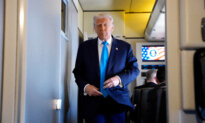
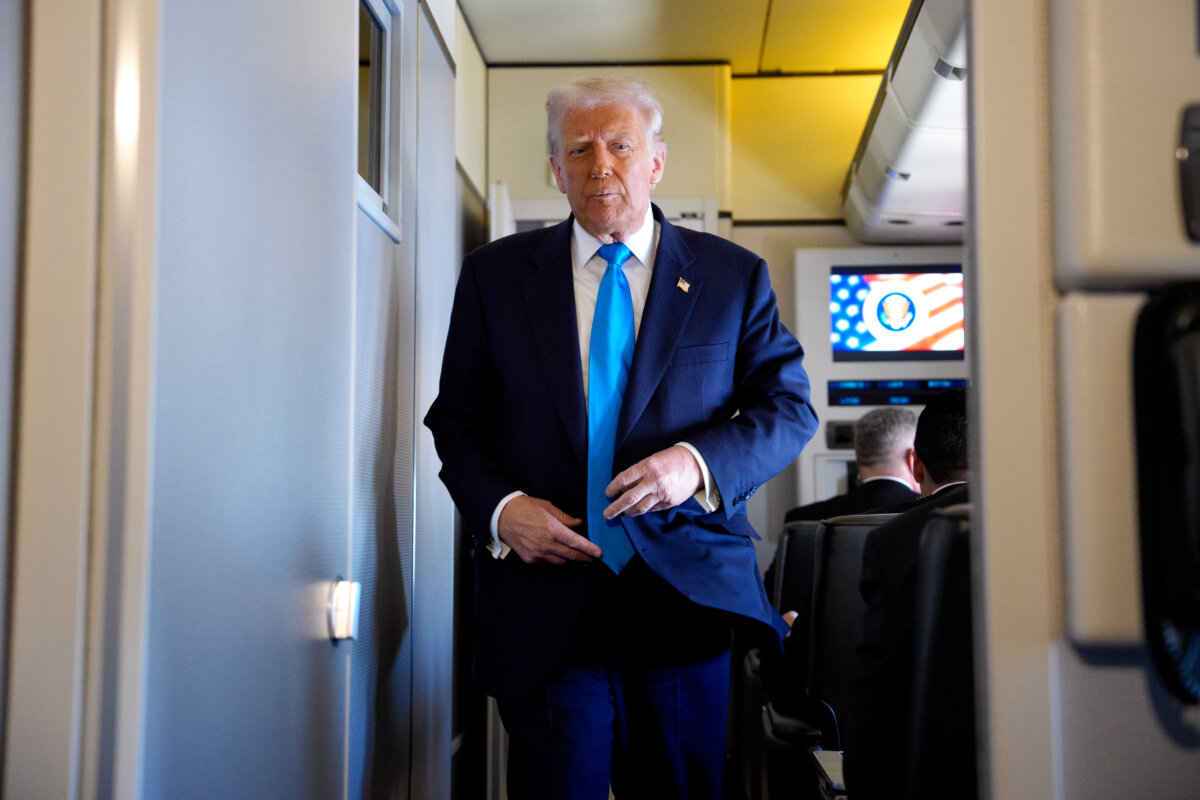
Speaking to reporters aboard Air Force One, Trump suggested that the United States could reduce those tariffs ahead of his meeting with Chinese leader Xi Jinping on the sidelines of the Asia-Pacific Economic Cooperation forum in South Korea.
“I expect to be lowering [those tariffs] because I believe that they’re going to help us with the fentanyl situation,” he told reporters. “They’re going to be doing what they can do.”
When asked whether Beijing’s potential move to delay its rare earth export controls for a year would be sufficient to prompt additional concessions, Trump said, “We haven’t talked about the timing yet, but we are going to work out something.”
Trump did not provide details on how China would help curb the flow of fentanyl precursors into the United States, but said he intends to address the matter with Xi during their meeting in South Korea on Oct. 30.
“We’ll [also] be discussing the farmers,” the president said. “We’ll be discussing a lot of things, but fentanyl will be one of the things we’re discussing.”
His comments followed Treasury Secretary Scott Bessent’s remarks on Oct. 26. Bessent said the two nations had agreed on a trade framework following talks in Malaysia. The deal is expected to avert additional 100 percent tariffs on Chinese products.
In an interview with ABC on Oct. 26, Bessent said that Beijing agreed to make “substantial agriculture purchases” from U.S. farmers and is expected to delay its implementation of rare-earth export controls.
“They had threatened to put a global export licensing regime, and I believe that they are going to delay that for a year while they reexamine it,” Bessent said during the interview.
Although Bessent did not disclose details, he said he is confident that when the deal with China is made public, “[U.S.] soybean farmers will feel very good about what’s going on, both for this season and the coming seasons, for several years.”
The two sides also agreed that Beijing would begin to help the United States with the precursor chemicals for the fentanyl epidemic in the United States, Bessent said.
Earlier in October, Trump announced an additional 100 percent tariff on Chinese goods and new export controls on critical software—which are set to take effect on Nov. 1—in response to China’s expansion of its restrictions on rare earth exports that barred overseas defense companies from accessing critical metals.
Dorothy Li contributed to this report.
 Friends Read Free
Copy
Facebook
Tweet
Friends Read Free
Copy
Facebook
Tweet