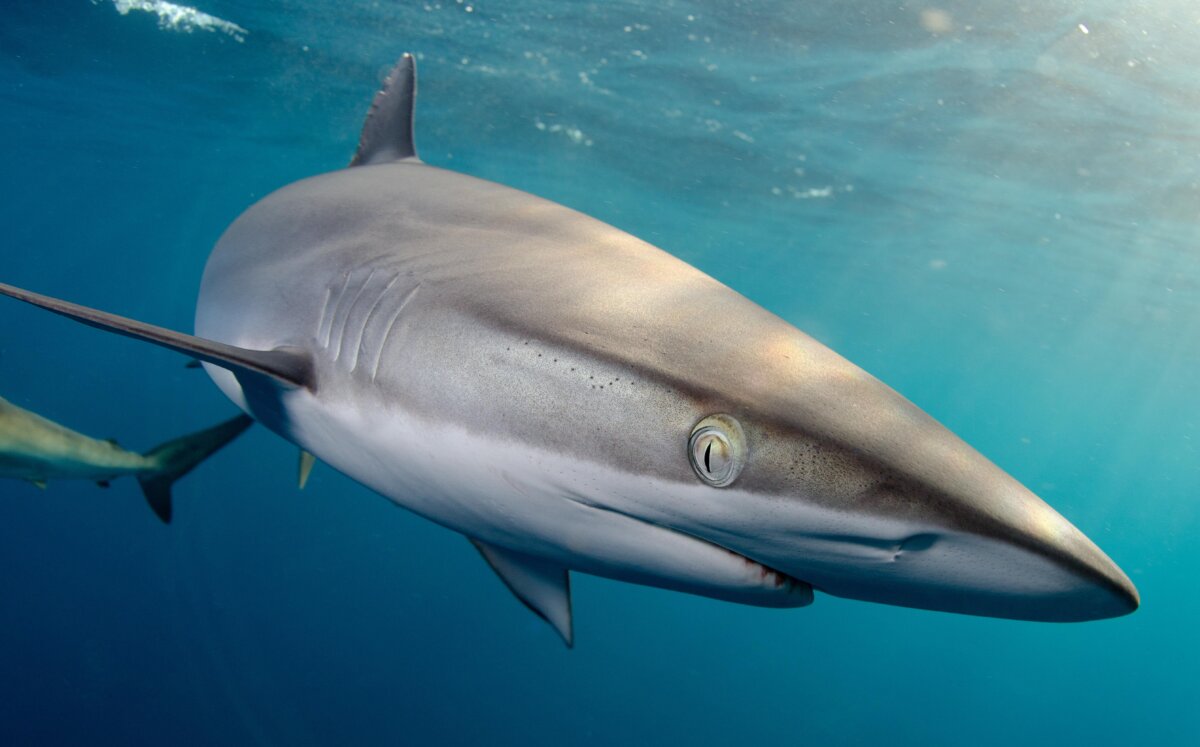
A half century after “Jaws” terrorized us on the big screen, there’s no denying the complex legacy the blockbuster 1975 movie left in its wake, according to marine ecologists Mike Heithaus and Megan Winton.
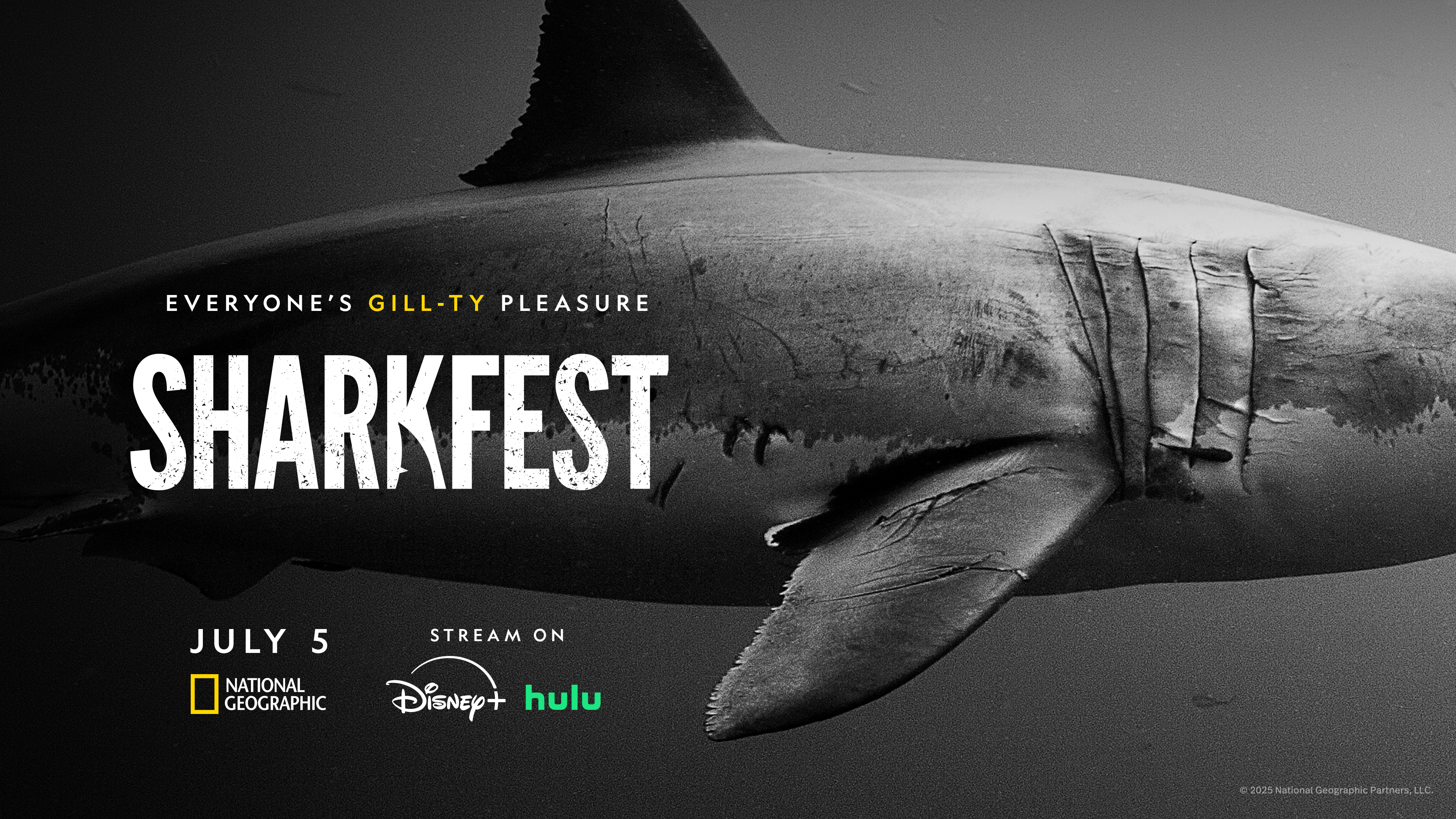
In the six-part National Geographic series “Investigation Shark Attack,” premiering on July 5 at 9 p.m. ET, a panel of experts including Heithaus and Winton analyze shark and human encounters to determine what leads sharks to strike. The special is a highlight of the network’s annual SharkFest, which kicks off programming that same night with “Sharks up Close with Bertie Gregory” at 8 p.m. ET. Both shows stream the next day on Disney+ and Hulu.
While Jaws—the highest-grossing movie of its time—did stir up an intense fear of sharks, and for some, even the ocean, “it did inspire a lot of curiosity about sharks,” Winton told the Epoch Times.
“We knew virtually nothing about sharks at the time Jaws came out. And to look how far the science has come and how much our perception of sharks has changed over time and how we’ve learned how important of a role they play in oceans, which nobody was thinking about at the time that Jaws came out.”
Half a century later, scientists are still riding the wave of interest from the movie that also launched Oscar-winning director Steven Spielberg’s career and have identified more than 500 shark species. On July 10, National Geographic’s SharkFest has the exclusive debut of the only authorized documentary celebrating the 50th anniversary of Jaws—“Jaws@50: The Definitive Inside Story.”
In the 50 years since the movie’s release, we’ve gone from “thinking that sharks are scary and they sometimes bite people,” Heithaus said, to understanding that “it doesn’t matter if you’re looking on land, in oceans, you get rid of top predators and bad things can happen to ecosystems.”
“We are just starting to learn that this is the case for a lot of sharks too. Especially the big sharks, they are helping stabilize the entire ecosystem,” Heithaus told The Epoch Times. “Oceans are critical to people all over the world—for food, for coastal protection. We don’t want to destabilize these systems, especially when they’re stressed by so many other things going on. That’s why it’s important to keep sharks in the oceans but it’s also important that we’re doing this work.”
The box office hit, which spawned multiple sequels, also gets credit by Heithaus for its non stereotypical portrayal of its star scientist Matt Hooper, played by Richard Dreyfuss. In fact, Heithaus said, “that may be one reason some of our colleagues actually gravitated—‘Wait, I can be a real person and be a scientist’—towards science after seeing that.”
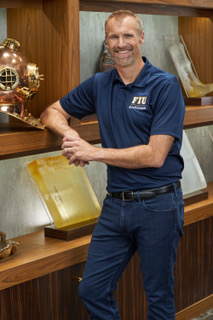
In “Investigation Shark Attack,” Heithaus and his colleagues work to strike that same note of relatability. Their panel, Heithaus, said “are four people you can go out and have dinner with and enjoy conversation on everything” but they also happen to be scientists, who on the series are sitting around a table having a conversation about sharks.
“Scientists as real people is a good thing,” he said. “We try to bring that excitement that we have for science, sharks, oceans, to this SharkFest show.”
One thing the “Investigation Shark Attack” team works to “shine a light on over the course of the series is that sharks actually learn,” Winton said. “A lot of people think they’re just kind of these mindless eating machines that just follow their nose, that they’re just swimming around fighting things that they encounter, actively hunting for humans, which isn’t the case.”

Helping them along the way is today’s “transformative” technology like the animal-borne video cameras—developed at Heithaus’s Lab for Marine Community & Behavioral Ecology within the Institute of Environment at Florida International University—where “you’re essentially just riding on the back of a shark, seeing what it’s doing, how it’s interacting with its environment,” Winton said. “We’ve seen them get scared by things. They’re curious fish, they check things out. The takeaway is that they’re not like the way they’re portrayed at all.”
Far from their “attack mode” stereotype, Heithaus added, “one of the things that we reveal in this is that sharks can be boring a lot of the time in terms of ignoring things. They’re really good at not biting people. The number of times sharks are in a position where they might do damage, they don’t.”
“Shark Attack Investigation”—like “Jaws” proved to be 50 years later—aims to be aspirational. “This gives viewers a glimpse into what the life of a shark scientist is like, how creative of an endeavor it is, how we use all these different cool new innovative technologies, and just how exciting a field it can be and how important it is,” Winton said.
For most people, thinking about sharks comes down to their day at the beach. But the reality is that, when it comes to ocean-related deaths, sharks are far less threatening than the ocean itself. An average of 71 humans die in rip current drownings each year, while the average number of human fatalities from sharks is around five each year, or one every two years in the United States.
That doesn’t mean beachgoers shouldn’t pay attention, Heithaus said. “I maintain a healthy level of respect and fear when I am getting in the water or interacting with these animals because at the end of the day, they are predators.
“That does not make them bad or evil in any way but you have to respect animals that can do that kind of damage and be very cautious.”
 Friends Read Free
Copy
Facebook
Tweet
Friends Read Free
Copy
Facebook
Tweet