
Commentary
As one would expect, Beijing is watching the war in the Middle East carefully. It clearly has significant military and geopolitical implications in Asia, especially with Taiwan.
The most immediate economic implications are the blocked oil routes through the Strait of Hormuz. Some 20 percent to 25 percent of global seaborne oil shipments pass through the strait—not just Iranian oil but also supplies from the United Arab Emirates, other Gulf Arab states, and Saudi Arabia.
For Beijing, the difficulties are less about this flow of oil than meets the eye. China has alternatives that can supply its needs for a long while. The rise in global prices, however, will definitely weigh on the country’s already struggling economy.
China, unlike the United States, depends on imports for fully 70 percent of its petroleum needs; much of it comes from Iran, and all of the Iranian oil through the Strait of Hormuz. Recognizing the vulnerability of that important source, Beijing’s planners have, over time, sought several ways to buffer the economy from supply interruptions.
Part of that effort involved a push to raise production from domestic oil deposits. According to the U.S. Energy Information Administration, Chinese pumping from domestic and offshore wells has increased by just less than 20 percent from a low of 3.65 million barrels per day in 2018 to some 4.45 million barrels per day in early 2025, the most recent period for which data are available. Even at this, domestic production falls far short of the country’s oil needs, which in 2024 came to some 16.4 million barrels per day.
A recognition of this shortfall of almost 12 million barrels per day and the vulnerability of import flows was a big motivator in Beijing’s push for electric vehicles (EVs), which Chinese authorities refer to as “new energy vehicles.” Western media have identified this push as a laudatory environmental step, but it is more of an answer to the country’s oil vulnerabilities.
China can supply the electricity demanded by all these EVs using the country’s ample coal supply. And the country has proceeded to do just this. By 2025, China had raised the pace of new coal-fired electricity production by more than twice what it was only five years earlier and more than six times what it was in 2018. What is effectively a coal-for-oil substitute hardly constitutes an environmental effort. It is about energy.
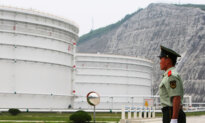
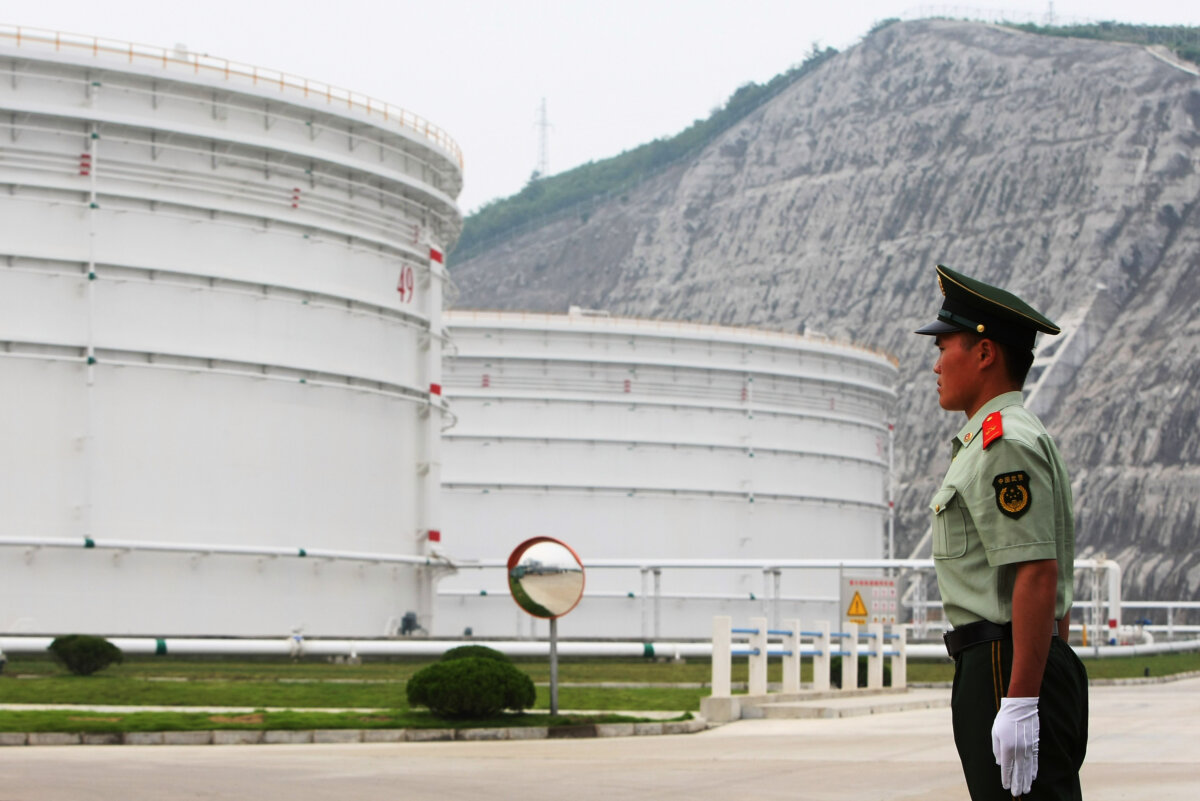
If EVs help China’s oil predicament on the demand side of the ledger, on the supply side, Beijing has made efforts to build a massive emergency petroleum reserve amounting to some 1.3 billion barrels—enough to cover the economy’s overall import needs for at least 100 days. Because not all of the oil that China imports comes from the Persian Gulf, and the United States has allowed Venezuela to fulfill its oil sales contracts with China, this reserve can presumably last even longer. That reserve could serve even longer still if Iran honors its recent pledge to allow Chinese-flagged tankers through the strait.
And there is Russian oil. Last year, China sourced some 18 percent of its oil needs from Russia. In a pinch, China could step up its purchases. Certainly, the Russians would be delighted to sell more.
If China, for the time being, can feel reasonably secure on petroleum supplies, the question of price remains. Oil, wherever it is bought or sold, trades at a global price. Even as China has covered its supply needs, the global shortfall caused by the war has raised the price of a barrel from just below $60 at the beginning of the year to just below $100 recently, a jump of about 70 percent.
Chinese users of this oil will pay the higher price, regardless of where it comes from. And because all sources of energy can, at base, substitute for each other, that price hike will put upward pressure on the price of coal, wind, solar, and electricity. That will add to the already significant burdens facing the Chinese economy, especially Beijing’s recent need to stimulate consumer spending.
Views expressed in this article are the opinions of the author and do not necessarily reflect the views of The Epoch Times.
 Friends Read Free
Copy
Facebook
Tweet
Friends Read Free
Copy
Facebook
Tweet