Commentary
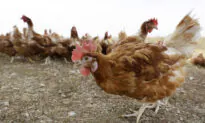
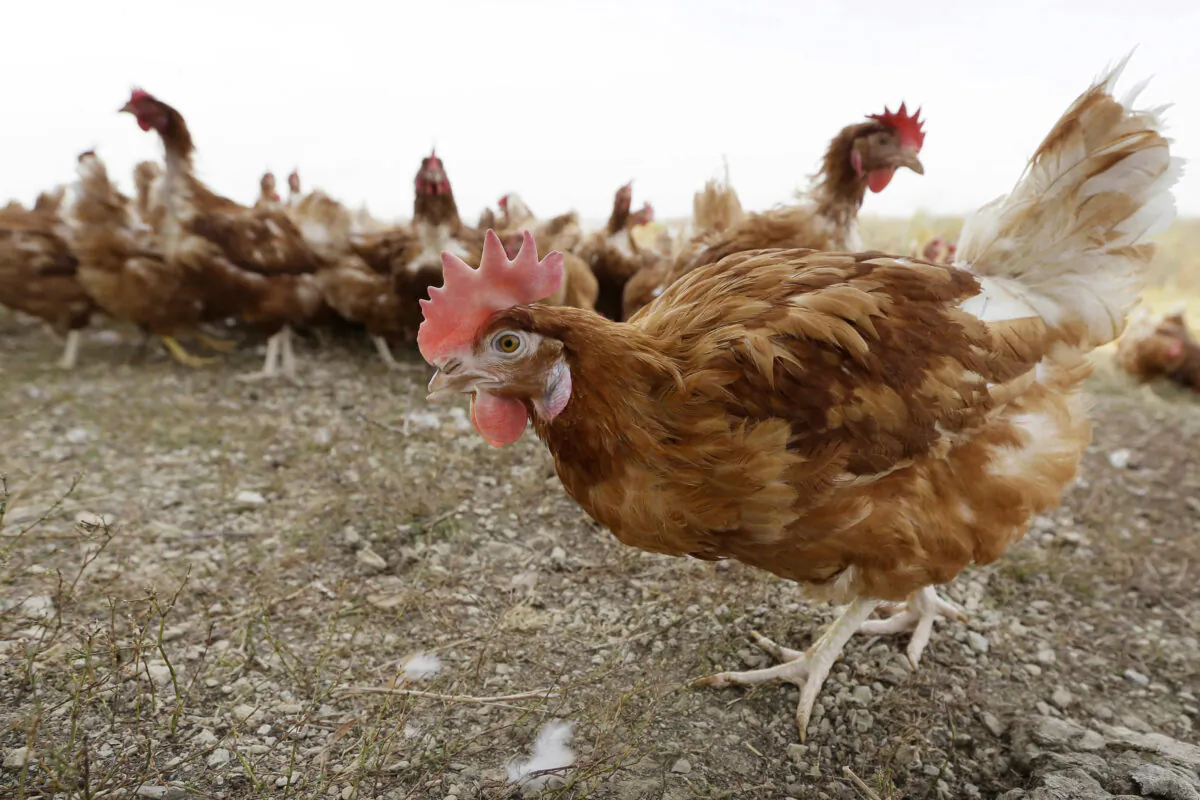
Oregon’s Initiative Petition 28, known as IP28, has reportedly gathered enough signatures to potentially qualify for the ballot. If approved by voters, it would remove legal exemptions that currently allow many forms of livestock production, hunting, fishing, animal breeding, and other common agricultural practices. Supporters see it as a victory for animal rights. Critics see it as an attack on farming, ranching, hunting, fishing, and rural life itself.
What struck me most when I read about it wasn’t whether it would pass. I don’t think it will. What struck me was that enough people signed it to get it this far.
To me, IP28 is an example of a growing problem in America. More and more, people who are disconnected from the realities of producing food are trying to control the people who do produce it.
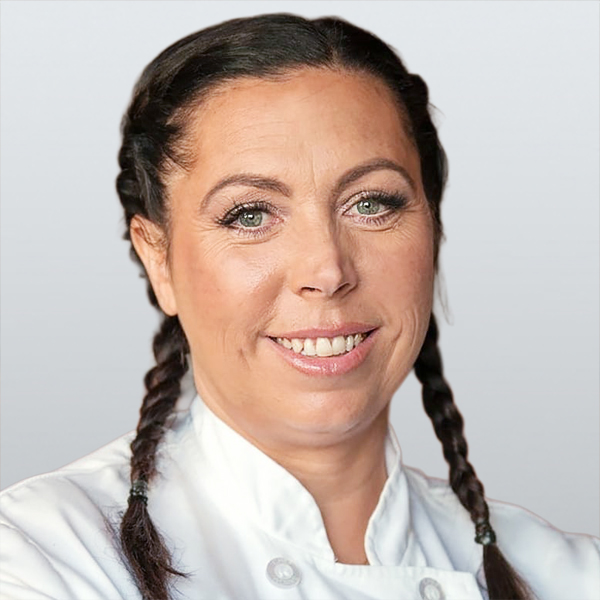
For most of my life, I was a vegan. I spent 15 years as a vegan chef. I cared deeply about animal welfare then, and I care deeply about it now. I don’t say any of this as someone who lacks compassion for animals or who doesn’t understand the arguments being made by supporters of this initiative.
Today, I own a ranch.
Part of my job is deciding which hogs will be harvested and which cows will go to slaughter. I’ve witnessed births and deaths, stayed up at night worrying about sick animals, bottle-fed babies, and buried animals I cared about. I understand what it means to love animals because caring for them is no longer an abstract philosophy. It’s part of my daily life.
That experience taught me something I didn’t fully understand when I was younger. You cannot remove death from the equation. Nature doesn’t work that way. Something is always living, and something is always dying. A hawk eats a mouse. A coyote eats a rabbit. A cow grazes on grass. Soil microbes consume dead plants and animals and turn them into fertility. Every ecosystem on Earth functions through life and death cycling together.
That isn’t a flaw in nature. That’s nature.
One of the reasons I eventually walked away from veganism was because I realized the philosophy often rests on a form of magical thinking. The idea is that if we care enough, legislate enough, and innovate enough, we can somehow remove death from the system. We can’t.
Every meal requires death. Whether you’re eating a carrot or a steak, life is feeding on life. Entire ecosystems participate in the production of food. The question isn’t whether death exists. The question is whether we participate in those cycles responsibly.
The farther people get from farms and ranches, the easier it becomes to imagine otherwise. Food arrives wrapped in plastic. Dinner appears through an app. Most people never see a harvest, a slaughter, a calving season, or a drought. Death becomes invisible, and when death becomes invisible, it becomes easy to believe it can be legislated away.
I don’t doubt that many supporters of IP28 have good intentions. In fact, I suspect most of them do. But the road to hell is paved with good intentions, and what concerns me is not just the proposal itself but the mindset behind it.
What happens to multigeneration dairy farms if breeding cattle becomes illegal? What happens to family ranches that have stewarded the same land for generations? What happens to hunting and fishing traditions that provide both food and conservation funding? These questions are rarely asked because many of the people supporting measures like this have never had to confront the realities of producing food.
The conversation around livestock is almost always framed as humans versus animals. That isn’t how nature works. Animals, plants, soil microbes, water cycles, and human beings are all part of the same system. On regenerative farms, livestock build fertility, cycle nutrients, stimulate plant growth, and help increase water infiltration and soil health. The relationship isn’t simply between people and animals. It’s between animals, plants, soil, water, and people, all working together.
The irony is that many supporters of measures like IP28 care deeply about the environment. Yet removing livestock from agriculture would not eliminate ecological complexity. It would simply create a different set of problems.
The truth is that IP28 is just one extreme example of something farmers and ranchers experience every day. Most regulations don’t arrive wrapped in language about animal rights. They arrive wrapped in language about health and safety. Sometimes those concerns are legitimate. Sometimes they are not. But almost always, the people writing the rules are further removed from food production than the people forced to live under them.
The greatest example of this isn’t Oregon. It’s Washington D.C.
Every year, federal agencies and lawmakers create rules that affect farms across rural America. Many of the people making those decisions have never raised livestock, balanced a farm budget, processed an animal, or depended on the weather for their livelihood. Yet they continue to write the rules.
IP28 is easy to point to because it’s obvious.
The more dangerous reality is the thousands of smaller laws, regulations, permits, reporting requirements, and compliance burdens that get added every year with little public attention. A new form. A new inspection. A new fee. A new permit. A new requirement. One by one, they seem insignificant. Together, they slowly make it harder and harder for independent farmers and ranchers to survive.
This is why I believe that we need to move back toward smaller government, stronger states’ rights, and more local control. The people closest to food production should have the greatest voice in regulating food production. It’s also why we need to pass legislation like the PRIME Act. If food is produced, processed, and sold entirely within a state, I believe states should have far greater authority over those systems. Not every farm is participating in interstate commerce. Not every ranch is supplying a national food chain.
Local food systems need room to breathe. They need room to innovate, and they need protection from one-size-fits-all regulations written hundreds or thousands of miles away by people who will never have to live with the consequences.
I don’t believe that IP28 will ultimately pass. But I do think it reveals something important. It reveals how disconnected many people have become from the realities that sustain human life. Food doesn’t come from grocery stores. It comes from soil, water, plants, animals, and people willing to do difficult work.
Nature isn’t a world where nothing dies. Nature is a world where life and death exist together. No ballot initiative can change that. No regulation can repeal it. And no amount of good intentions can override the reality that life itself depends on the cycle of life feeding life.
Views expressed in this article are the opinions of the author and do not necessarily reflect the views of The Epoch Times.
 Friends Read Free
Copy
Facebook
Tweet
Friends Read Free
Copy
Facebook
Tweet