
Commentary
Canada’s conservative movement is alive and well. That was my unmistakable impression after attending the Canada Strong and Free Network conference in Calgary this past week. Over two days, Canadians from across the country gathered to exchange ideas, debate important national issues, and discuss how we can restore our country’s prosperity, security, and confidence in the future.
What impressed me most was not simply the excellent organization, the quality of the speakers, or the impressive attendance. It was the atmosphere of thoughtful, respectful, and constructive dialogue. There was genuine enthusiasm, but also a seriousness of purpose that reflected Canadians who care deeply about their country and believe its best years can still lie ahead.
The conference brought together political leaders, businesspeople, academics, policy experts, and concerned citizens. Discussions ranged from economic productivity and energy development to judicial activism, national sovereignty, federalism, and the growing tensions between Western Canada and Ottawa. These were not theoretical debates disconnected from everyday life, but serious conversations about the challenges confronting Canadian families, businesses, and communities.
A recurring theme was Canada’s extraordinary economic potential and our political leaders’ continued failure to realize it. We possess abundant natural resources, an educated workforce, strong institutions, and access to some of the world’s largest markets. Yet excessive regulation, declining productivity, mounting public debt, and political indecision continue to undermine our competitiveness and national prosperity.
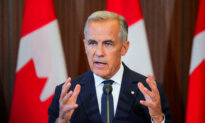
There was also considerable discussion about the evolving political landscape in Ottawa. Interestingly, one observation repeatedly surfaced: Prime Minister Mark Carney’s government has increasingly adopted elements of the Conservative policy agenda advanced by Pierre Poilievre, often in direct contrast to policies pursued under former PM Justin Trudeau. Whether discussing energy development, economic competitiveness, regulatory reform, or private investment, the language emerging from Ottawa increasingly resembles arguments the Conservatives have been making for years.
This is politically significant and deserves greater attention. When a governing party begins embracing the policy positions of its principal opposition, it suggests that the opposition has succeeded in influencing the national debate. Poilievre and the Conservative movement deserve recognition for advancing arguments that are increasingly difficult for their political opponents to ignore.
However, Canadians must distinguish between political messaging and actual results. Adopting conservative language is not the same as implementing conservative policies, and announcements alone do not create prosperity or restore confidence. Governments must ultimately be judged by their actions, their measurable achievements, and their willingness to make difficult decisions in the national interest.
Another important discussion concerned Western alienation and the future of Canadian federalism. The frustrations expressed by Western Canadians are legitimate and cannot simply be dismissed by political leaders in Ottawa. A strong and united Canada requires a federation in which every province is respected, economic contributions are recognized, and regional grievances are addressed through meaningful reform.
Having spent more than four decades serving Canada in uniform, building businesses, and participating in public policy, I found these conversations particularly encouraging. I was honoured to address the delegates and share some of the ideas contained in my recently published book, “A Roadmap for Canada.” The reception reinforced my belief that Canadians are looking for practical solutions, responsible leadership, and a renewed sense of national purpose.
What emerged from Calgary was a conservative movement that is neither discouraged nor intellectually exhausted. It is energetic, engaged, and increasingly focused on developing policies that can strengthen our economy, defend our sovereignty, and restore confidence in our national institutions. Equally encouraging was the willingness of participants to disagree respectfully while remaining united by a shared commitment to Canada’s future.
I congratulate the leadership, staff, and volunteers of the Canada Strong and Free Network for organizing an outstanding conference. They created an environment where ideas could be exchanged freely, friendships strengthened, and a common determination to improve our country reinforced. Their efforts deserve recognition and appreciation.
I left Calgary with renewed optimism about Canada’s future and the people determined to shape it. Conservatism is not simply about opposing the government of the day, but about offering Canadians a credible alternative grounded in individual responsibility, free enterprise, merit, excellence, and integrity. The movement is alive and well, its ideas are increasingly influencing the national conversation, and its greatest contribution to Canada may still lie ahead.
Views expressed in this article are the opinions of the author and do not necessarily reflect the views of The Epoch Times.
 Friends Read Free
Copy
Facebook
Tweet