
Commentary
The ability of an MP to cross the floor to another political party is an intrinsic and important element of the Westminster parliamentary system, even though it infuriates supporters of the spurned party when a crossing occurs.
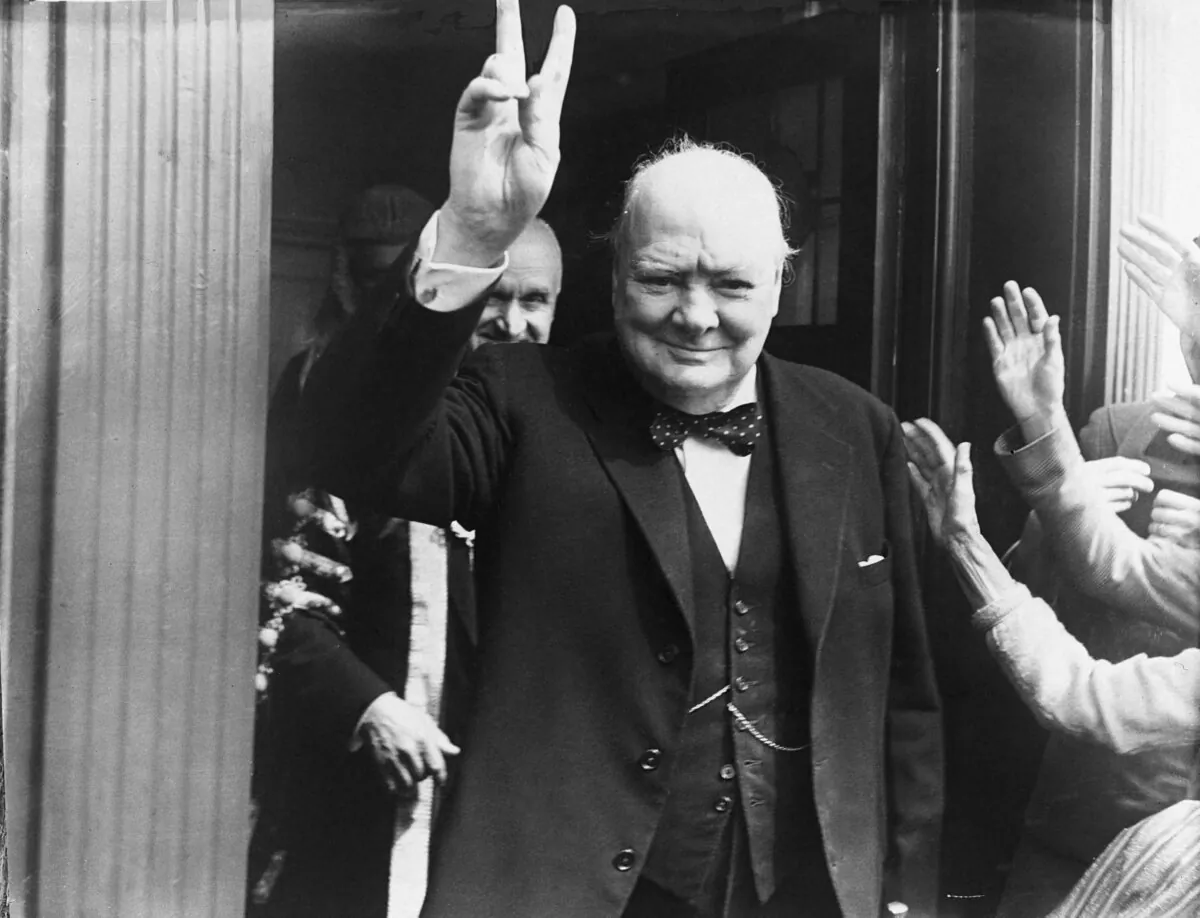
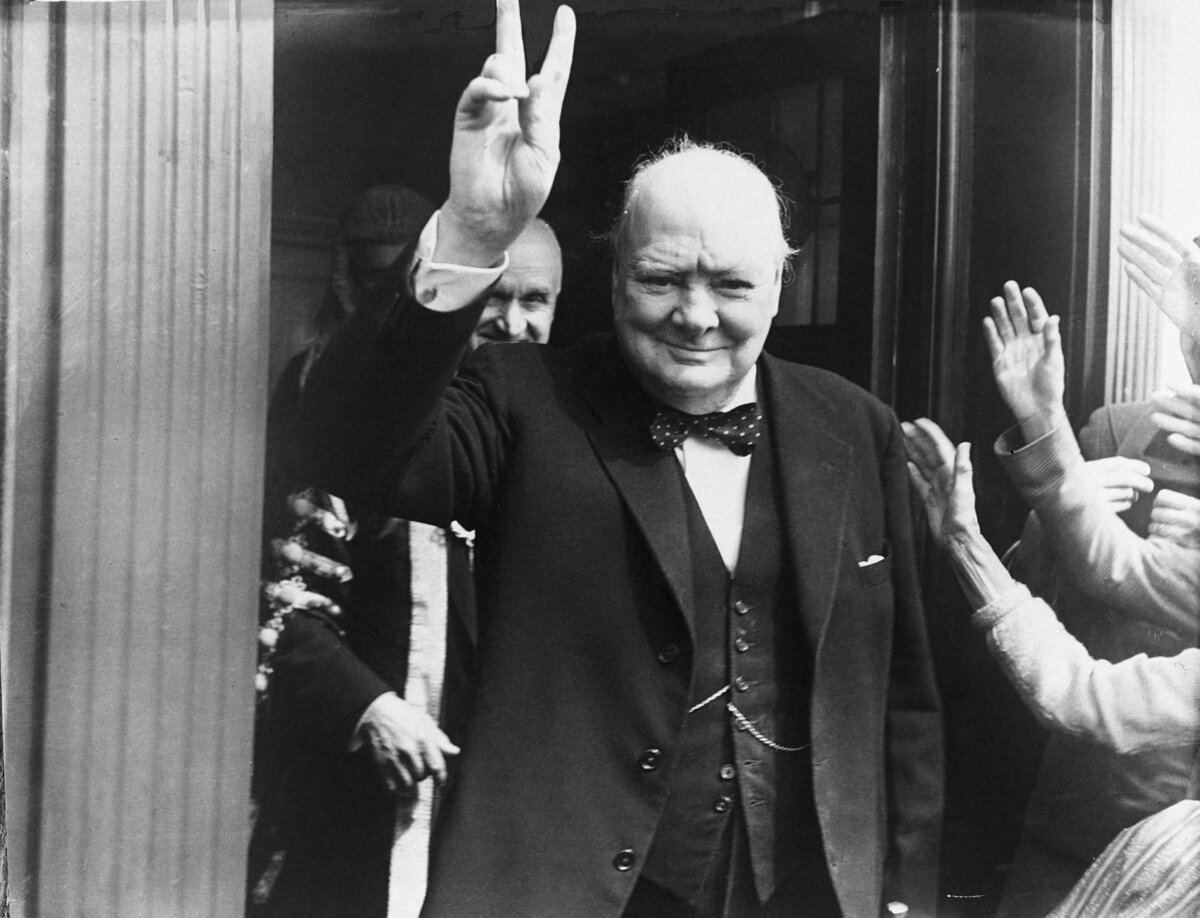
Winston Churchill famously crossed the floor twice. Once from the Conservatives to the Liberals, and then back from the Liberals to the Conservatives. His leadership and force of personality made him one of the most revered Western leaders in modern history, despite the crossings. Most floor crossers don’t have such strength, and in changing parties they often bring about the end of their political careers.
In Alberta in 2014, Danielle Smith, who headed the provincial opposition Wildrose Party at the time, led an unprecedented mass floor-crossing, with herself and eight MLAs joining the governing Progressive Conservative Party. Two other Wildrose MLAs had crossed a few weeks before that, making a total of 11 members crossing the floor.
The following spring, not a single MLA who took part in the crossing still had a seat in the legislature. A general election was held, and all of them either lost their nominations, lost their seats in the election, or resigned. The crossing led to a partisan split and fostered such distrust that Albertans voted the NDP into government rather than elect either of the conservative parties. Smith had misread the will of the electorate, and voters punished her and her fellow floor crossers harshly for it. If a crossing is done for the wrong reasons, the career of that politician is likely to be cut short. Smith rose from the ashes of that political disaster to become Alberta’s premier nine years later, but that was an unusual exception and is a story unto itself.
Crossings for what can be considered the right reasons are when members feel the leadership of their party is no longer serving the constituents they represent. In 2024, the BC United Party was in disarray and languishing in the polls under Kevin Falcon’s leadership. Three caucus members crossed the floor to join the BC Conservatives. Those crossings led to a domino effect, which eventually caused the total collapse of BC United before the 2024 provincial election. The suddenly invigorated BC Conservatives came within a hair of winning the election when it had looked like the BC NDP had it locked up. Falcon didn’t realize the threat presented through floor crossings, and it led to the obliteration of his party.
In Canada’s system, party leaders are powerful. No person can run under a party banner without the signature of the party leader. Party leaders select the members of the cabinet, and they hold strong sway over the caucus. While elected representatives ostensibly are supposed to put their local constituency’s needs before the party, whipped votes in the House of Commons and in provincial legislatures put the lie to that. Members will tend to vote as their leader directs them, no matter what.
So, what if a leader makes a demand of a member that their conscience won’t allow?
A member could sit as an independent, but they are then disempowering themselves and likely will lose their seat. Independent members rarely win elections. Currently, a member has the option to cross the floor to another party, and this is important. Every party leader must keep this in mind and try to balance regional interests with party interests. It keeps the leaders in check.
With the balance of power as tight as it is now, Christopher d’Entremont’s crossing from the Conservatives to the Liberals is significant. If the Carney government can draw two more members across the floor, they will have a majority government despite not being elected with one. It’s an infuriating situation for Conservative supporters.
Elected members rarely leave the governing party to join the opposition. The crossings are often motivated by self-interest over political principles. However, to try to ban floor crossings would be offering a cure worse than the disease.
Some people are saying floor crossers must automatically face a byelection. That would essentially ban most, if not all, crossings as they would not be able to cross to take part in key votes and could put the seat they won at risk. Authoritarian party leaders would love such a scenario.
Federal recall legislation with a reasonably set bar could help with this. If a crossing was found to be truly odious in the minds of local voters, they could organize and trigger a byelection through a petition. If the crossing was principled, there should be little risk of that.
In Canada, we don’t elect a government. We hold 343 individual elections, and they form the government through partisan affiliations. If we removed the mobility from elected members through banning floor crossings, our already hyper-partisan system would become worse. There would be little reason for party leaders to pay attention to the needs of individual members.
Floor crossings can be maddening, especially if it was somebody leaving what you considered to be your team. Under our current system, however, the alternative would be worse.
Views expressed in this article are the opinions of the author and do not necessarily reflect the views of The Epoch Times.
 Friends Read Free
Copy
Facebook
Tweet
Friends Read Free
Copy
Facebook
Tweet