
Commentary
The removal of Venezuelan leader Nicolás Maduro by the Trump administration led some people to hit the panic button regarding Alberta’s energy sector. One headline said, “Venezuelan oil could put Canada out of business.”
With some days to process the event, people have realized that Venezuelan heavy crude oil won’t be flooding into the world markets for some years to come. That said, Venezuela does have the largest proven oil deposits on earth, and it will be getting to market eventually. Canada shouldn’t panic, but it should be embracing a sense of urgency on the issue, and we aren’t hearing that from Ottawa.
In response to the changing world oil dynamic due to the Venezuelan factor, Prime Minister Mark Carney spoke to the competitiveness of Canadian oil and the need to diversify markets. When questioned further, though, Carney carefully avoided committing to the construction of new pipelines to get product to new markets. Unless Carney fully commits to supporting new pipelines, they are unlikely to be built. Only the prime minister has the constitutional authority to override provincial opposition to new pipelines from B.C. and Quebec, not to mention from some indigenous opponents.
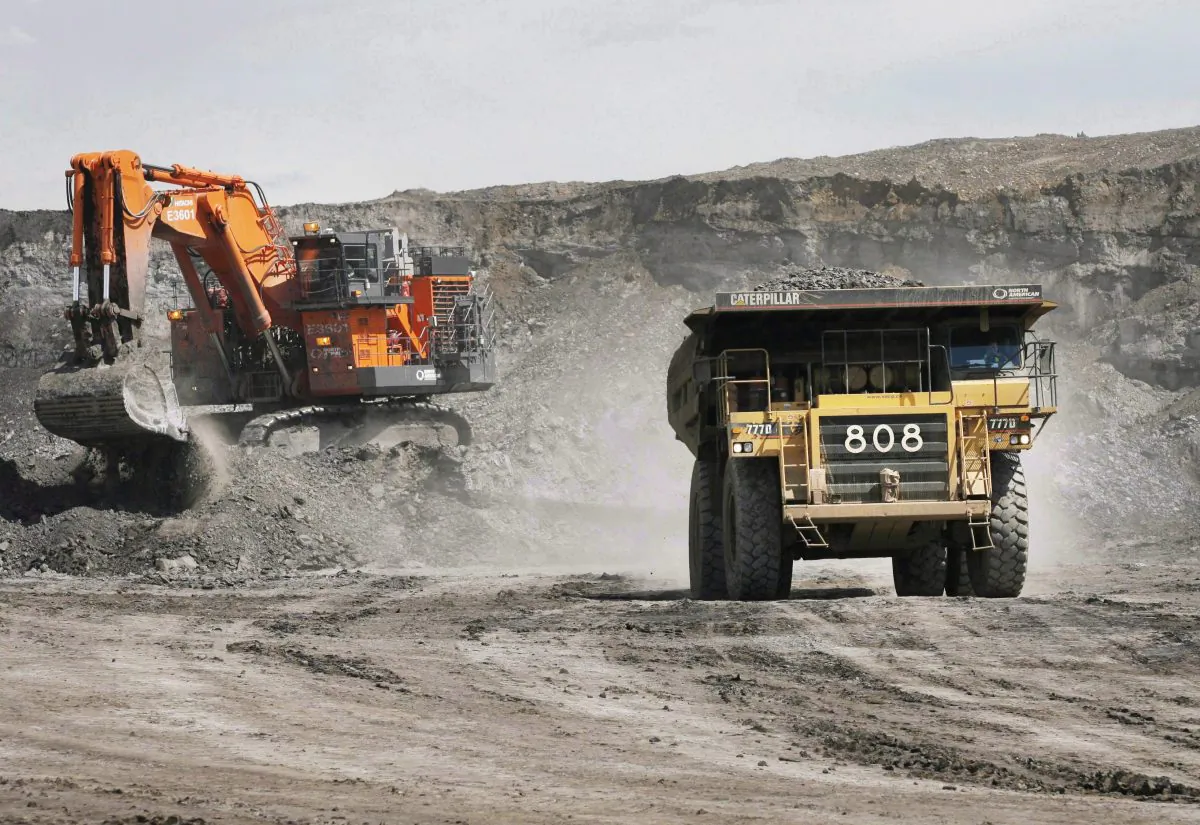
World oil prices weren’t impacted by Maduro’s ouster, but share prices in oil companies told the tale. Canada’s oil companies lost over $8 billion in stock value in less than a week while American companies saw their stocks surge upward. Investors play the long game. They see an opportunity as Venezuela may increase exports even if it takes a decade to do so. Meanwhile, they see Canada’s oilsands as being too high-risk because the country can’t get the product to market.
Venezuela has become a safer investment haven than Canada. Think about that. The problem isn’t the product. It’s the government policy.
World demand for oil and gas is expected to grow until at least 2050. Asia is hungry for Canadian energy products, as is Europe, where they want to reduce dependency on Russian oil and gas. Canada could become one of the most wealthy and reliable energy suppliers on earth if it could just get out of its own way.
To effectively develop export abilities, Canada must seek investment from the private market. The Trans Mountain Pipeline expansion debacle illustrated how slow and expensive infrastructure construction can be when it’s left in the hands of the government. Investors can see the potential in Canadian oil and gas, but they have had the rug pulled out from underneath them too many times. They won’t open their wallets without guarantees that they will be allowed to complete their projects.
Major pipelines to Hudson’s Bay, the West Coast, and the East Coast could be approved and draw investors quickly. Trans Canada Pipelines invested over $1 billion in planning and applications for the Energy East pipeline project before the Trudeau government regulated it out of existence. Enbridge poured over half a billion dollars into preparing for the Northern Gateway pipeline project to the Pacific coast before Trudeau outright shut it down. The studies, planning, and licensing need not be redone. The coasts, plains, and mountains are all still in the same place. These plans can be dusted off and approved in short order. If there was political will to do so, that is.
The government doesn’t need to get into the pipeline business, but it can and must take on the responsibility of the energy corridors. Investors will come when there are designated and assured routes for pipelines to be constructed within. The government can fast-track the survey and expropriation when required in ways that private players can’t. Most of the proposed routes in the West are on Crown land, while much of the Energy East plan involved using existing pipeline infrastructure. The displacement of landowners will be minimal.
The economic case for pipeline expansion to the coasts is solid, and 75 percent of Canadians are in support of expansion. The missing link in the plan is federal political will.
Investors won’t open their wallets based on vague promises. The billions won’t flow in when the prime minister uses terms like could, should, or maybe. They must hear Carney say the pipelines are in the national interest, and they will be done with the full support of the government. No ifs, ands, or buts.
Canada is sitting on one of the largest oil deposits in the world, and its own government is shutting it in. The prime minister must quit pretending we can spend years thinking about it and take the helm on this issue. We can’t afford to dither any longer.
Views expressed in this article are the opinions of the author and do not necessarily reflect the views of The Epoch Times.
 Friends Read Free
Copy
Facebook
Tweet
Friends Read Free
Copy
Facebook
Tweet