
Commentary
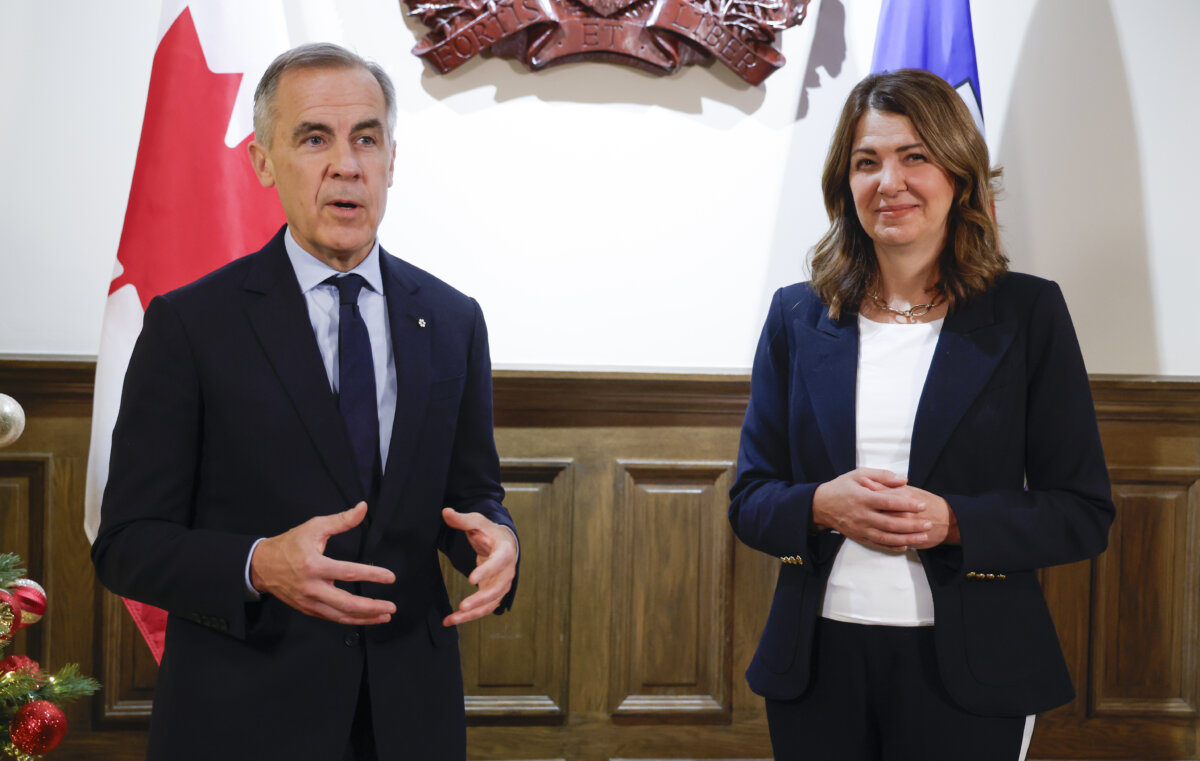
There may not be a private investor in sight yet to build a new bitumen pipeline from Alberta to the West Coast, but Premier Danielle Smith and Prime Minister Mark Carney have invested a great deal of political capital into the concept. The signing of a memorandum of understanding (MOU) between Alberta and Ottawa doesn’t guarantee that a pipeline will be built, but it offers a glimmer of hope to proponents that hasn’t been visible in nearly a decade.
Former Prime Minister Justin Trudeau made battling climate change a hallmark of his administration. While he never outright banned new pipelines, he imposed layers of regulation that made it clear that no pipeline would be economically feasible in Canada. Between the tanker ban on B.C.’s northern coast, an emissions cap on oil and gas development, and the Impact Assessment Act (dubbed the No More Pipelines Act), investment in Alberta’s conventional energy industry was chilled.
An estimated $670 billion in energy investment was lost during Trudeau’s time in office. The newly signed MOU offers a sharp departure from the Trudeau government’s path.
While the MOU doesn’t offer binding guarantees of pipeline approval, it addresses the key roadblocks to approval. Most notable was the tanker ban, which made pipeline construction pointless. The lifting of the emissions cap could encourage investment in production within Alberta to fill a prospective new pipeline, and the relatively short timelines for development outlined in the MOU may entice private interests to re-examine Canada’s oil and gas sector.
The timing of the announcement on the eve of the annual general meeting for Smith’s United Conservative Party was likely no coincidence. Smith had been facing pressure from her supporters since a Grey Cup deadline she had set for the Carney government to lift regulations had come and gone. She can now approach her collected party members with something she can brand as a win in her pocket. The premier is doubtless hoping the agreement will quell the growing support for separation within the party ranks as well.
On the heels of passing a federal budget with a massive deficit, Carney needs a positive check mark on his economic file. Government investments in electric vehicle initiatives have failed, while the economy in Central Canada is under pressure due to the ongoing tariff war with the United States. Carney may not be an ideological friend to Canada’s oil and gas sector, but he understands the industry adds billions to the government’s bottom line. A surge in development in the West could stave off a possible recession that the country is teetering on the brink of.
The MOU is exacting a political price upon Carney, though. Some of his MPs in B.C. are upset with the proposal to the point of being “seething and angry.” Senior cabinet minister Steven Guilbeault has resigned from cabinet, and Green Party leader Elizabeth May is predictably apoplectic. B.C. Premier David Eby remains steadfastly opposed to the line, as do some indigenous groups on the coast. The federal government has the ultimate authority to approve and impose interprovincial projects such as pipelines, but appearing too heavy-handed with the imposition could harm the Liberal support base among environmentally conscious supporters.
Premier Smith offered heavy concessions to make the deal, too. She has committed to imposing a large increase in the industrial carbon tax rate and to investing deeply in a controversial carbon capture and storage project. Companies hit with the tax increase and fiscal conservatives within her party will not respond well to the move. She will have to sell the compromises carefully to her members, many of whom remain skeptical of Ottawa’s sudden goodwill.
Still missing from the whole deal is a private proponent. Energy investors have had the rug pulled from them too many times in Canada and are leery of making future commitments. The MOU offers optimistic words but has no hard commitments within it. Will it be enough to entice a company to take the leap and pursue a new pipeline?
The route for the new pipeline hasn’t been proposed, either. It probably will be like the one proposed for the Northern Gateway line that Trudeau scuttled. Without a route, the negotiations with those residing near the proposed line can’t begin.
No matter what is done and how well it’s framed, there will be some activists, politicians, and indigenous groups committed to fighting the pipeline every step of the way. The federal government will have to demonstrate fortitude to ensure protests don’t derail the project, as they nearly did with the Coastal Gaslink pipeline. Is Carney willing to take on such a battle, along with the bad optics that come with it?
The agreement between Alberta and Ottawa offers a giant leap forward in the economic relationship between the two entities. It’s a big political gamble for the two leaders, however. The price will be high for Smith if the proposal stalls, and the price for Carney will be high if the proposal succeeds. Both leaders appear committed to riding it out for now.
Views expressed in this article are the opinions of the author and do not necessarily reflect the views of The Epoch Times.
 Friends Read Free
Copy
Facebook
Tweet
Friends Read Free
Copy
Facebook
Tweet