
Commentary
The notwithstanding clause (Section 33 of the Charter of Rights and Freedoms) was first used by Quebec just after the patriation of the Canadian Constitution in 1982. The province added a standard clause to all its existing pieces of legislation to declare they operated notwithstanding Charter rights.
It was a bold statement of opposition to the Constitution, which Quebec refused to sign. In 1988, Quebec invoked the clause in response to a court ruling that the province’s new language law (Bill 101) was unconstitutional under the Charter. The province has used the clause several times since, and while Quebec’s disregard for parts of the Charter may have enraged Canadians, the right to use the clause was never questioned.
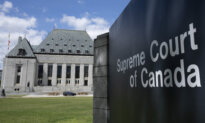
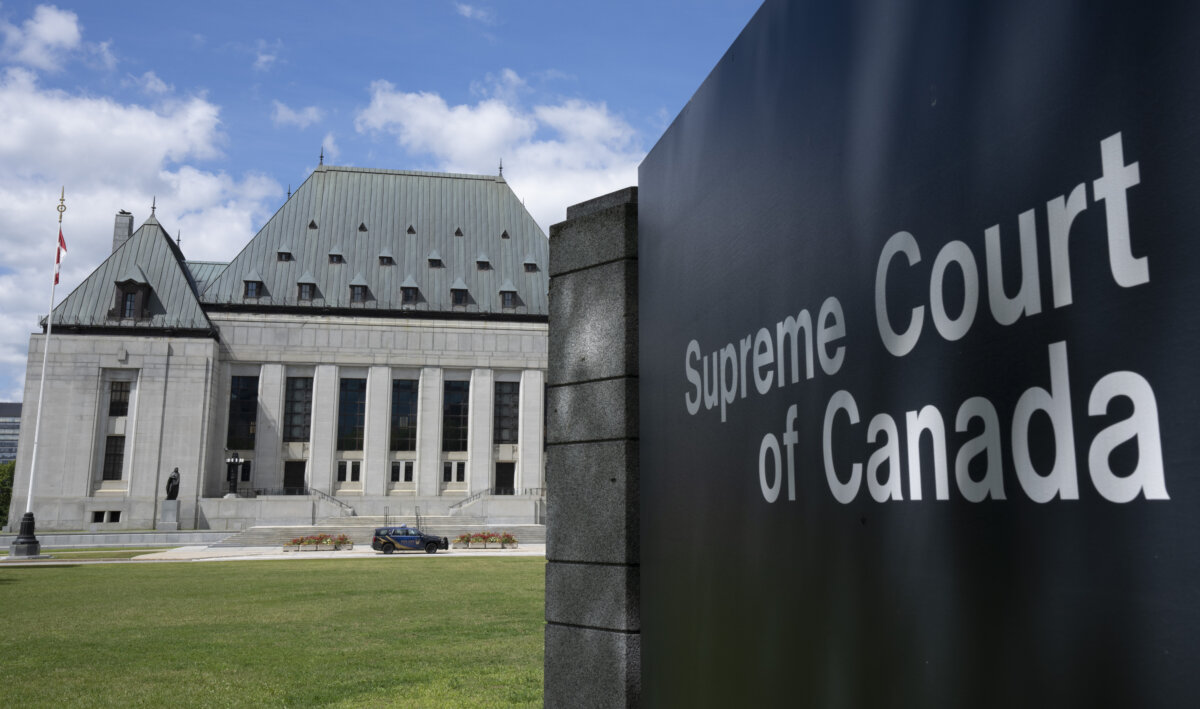
Now, however, the hands-off approach to the use of the notwithstanding clause by provincial governments may come to an end, as the federal government has asked the Supreme Court of Canada to set limits on how the clause may be used. Not only would setting any limits on the notwithstanding clause defeat the spirit and the strength of that section of the Charter, but such a move could also shatter Canadian unity in both the East and West.
When the Charter of Rights and Freedoms was drafted in 1981 by Pierre Trudeau’s government to be entrenched within the Constitution, it didn’t have national consensus. Trudeau attempted and failed to patriate the Constitution with a bill of rights in the 1970s. He surely was aware his time as Canada’s prime minister was ending, and he dearly wanted the Charter and patriated Constitution to be his legacy. To achieve that goal, he had to compromise with premiers who were concerned that federal courts would be empowered to override provincial legislation. The notwithstanding clause was pitched by Alberta Premier Peter Lougheed, and Trudeau grudgingly included it in the Charter in a meeting now known as the “Kitchen Accord.”
The Charter of Rights would never have come into being without the inclusion of Section 33. The section doesn’t apply to the Charter—it is an intrinsic part of it. It’s astounding that the government may think its ability can be curtailed by the courts.
The final negotiations on the Constitution and Charter purposely excluded Quebec Premier René Lévesque from the meeting without his knowledge. Lévesque was incensed, as were Quebec nationalists, who still refer to the event as the “Night of the Long Knives.” Quebec pragmatically channelled its rage into policy as it embraced the ability to use the new notwithstanding clause more often than any other province. The province will not part with that authority quietly.
It can be understood why the Liberal government is opposed to Quebec’s 2019 secularism law. The law is overtly discriminatory against religious minorities working within the public service and could only be maintained through the use of the notwithstanding clause. Ethnic, religious, and labour groups have all strenuously opposed the law, and pressures within the Liberal caucus to act upon it are likely building. To take away the ability to use the notwithstanding clause could turn the smouldering Quebec nationalist movement into a powder keg, though.
The Parti Québécois has been rising in the polls and is poised to win the government in a year if the trend continues. The party holds an unapologetic secessionist stance and is promising to hold a referendum if elected. Stumbling into a unity and constitutional crisis through a federal initiative to use the courts to defang the notwithstanding clause would be a gift to the Quebec independence movement.
Outside of Quebec, provincial independence sentiment has also been growing in the Prairie provinces. Polls have indicated support for independence to be averaging over 30 percent in Alberta and Saskatchewan. While those aren’t winning numbers for an independence referendum, they certainly can’t be dismissed. Citizens are testy, and a battle with Ottawa could shift the independence needle quickly.
Alberta and Saskatchewan have long had a prickly relationship with the federal courts. Both provinces have used the notwithstanding clause before. Alberta used it in 2000, and Saskatchewan in 2023, for its Parents’ Bill of Rights. Premier Danielle Smith recently indicated she will use the clause if the courts rule against her legislation, which bans gender altering surgery on children. In Ontario, Premier Doug Ford has repeatedly used the notwithstanding clause to protect his legislation as well.
Canada’s federation is built on the premise that the provinces hold substantial legislative autonomy. The notwithstanding clause is seen by many to be the ultimate protection against incursions upon provincial authority from judges appointed by the federal government. The courts are now being asked if they want to empower themselves to overrule the notwithstanding clause. This presents a nasty conflict of interest.
The Liberal government has proven itself to be politically savvy since shedding Justin Trudeau as its leader. This begs the question why it would immerse itself in a battle with the most powerful provinces in the country, which could shatter national unity.
Is the action of the government just a zealous power grab, or do they somehow see this as a path to improving the nation?
When independence movements spring up, centralizing power in a country rarely defuses the situation. It usually shatters the union.
The Liberal government has a lot on its plate as it is. It should leave the notwithstanding clause in the Charter alone, not only for its own sake, but for the sake of national unity.
Views expressed in this article are the opinions of the author and do not necessarily reflect the views of The Epoch Times.
 Friends Read Free
Copy
Facebook
Tweet
Friends Read Free
Copy
Facebook
Tweet