
Commentary
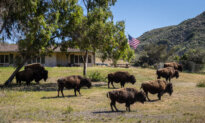
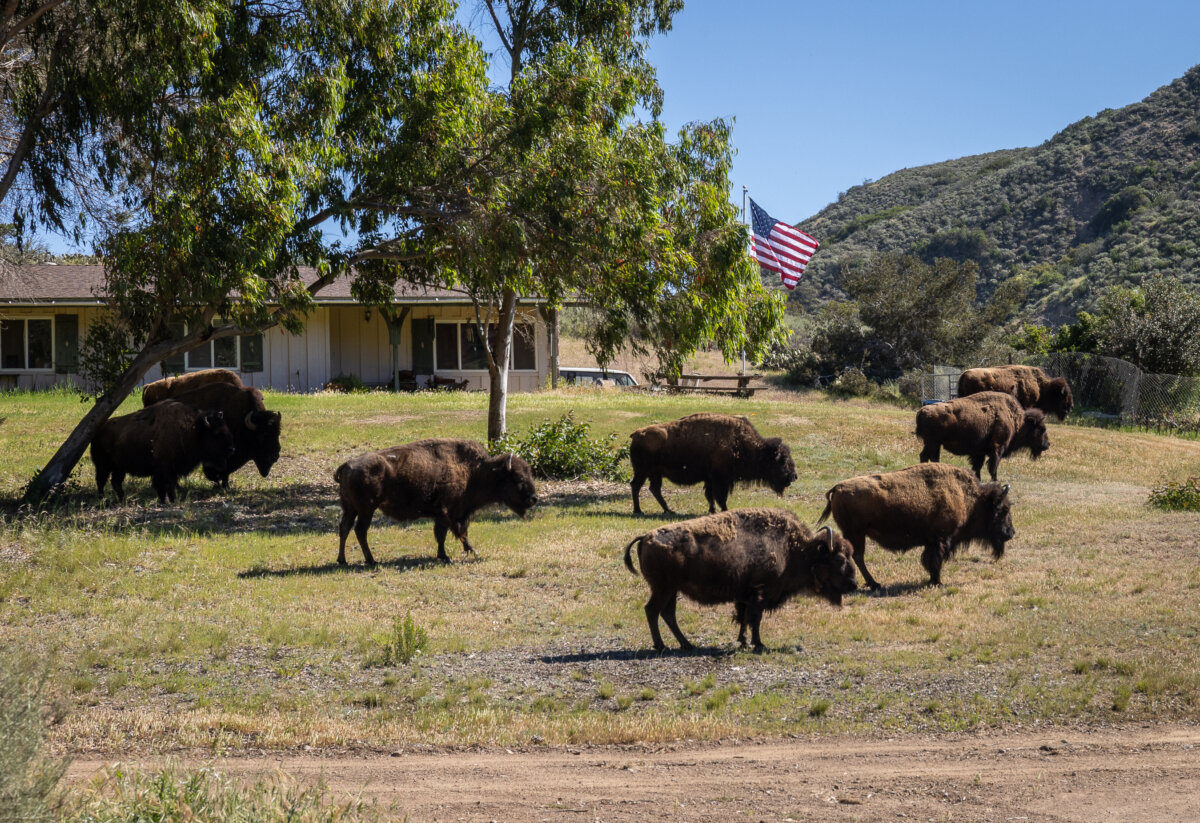
In Montana, a federal decision is forcing bison off public grazing lands. Cattle are classified as livestock, while bison are treated as wildlife. Under that distinction, one is allowed to graze public land, and the other is not.
It sounds like a bureaucratic detail, but it reveals a contradiction at the heart of modern agriculture.
We are spending enormous time and energy trying to teach ourselves how to graze cattle more like bison while at the same time removing actual bison from the landscape.
As a farmer and rancher, I have come to believe that this contradiction matters more than we think. It is not just about animals. It is about whether we are willing to align our systems with what has already proven to work.
Long before we had grazing plans, rotational systems, or soil health conferences, the plains of America were shaped by vast herds of bison. They moved continuously, bunching tightly, grazing intensely, and then leaving land undisturbed for long periods. That movement built soil, retained water, and created one of the most productive grassland ecosystems the world has ever seen.
In some regions of the Great Plains, topsoil reached extraordinary depths. This was not created through synthetic inputs or industrial systems. It was created through a relationship. Animals, plants, microbes, weather patterns, predators, and people all participated together in a cycle that sustained itself over generations.
Today, much of what we call regenerative agriculture is an attempt to recreate that pattern. We rotate cattle, bunch them tightly, and rest pastures in an effort to mimic disturbance followed by recovery. Entire industries have formed around studying and replicating what once happened naturally across these grasslands.
But the original model still exists.
The bison did not need a grazing consultant or management seminar. They behaved according to their nature, and in doing so, they built resilience into the land. The current policy conflict treats them as if they do not belong in a working agricultural system, and that is where the argument breaks down.
Bison can be managed. They can be owned, bred, harvested, and integrated into productive agricultural systems. Across the country, ranchers are already raising bison for meat while simultaneously growing their herds.
The concern from cattle producers is understandable because grazing land is finite, and access determines survival. If bison are allowed under the same framework, they become part of that competition. That tension should be acknowledged honestly, but framing this as a choice between cattle and bison is still a mistake.
Cattle remain one of the most efficient ways we have found to convert grass into food at scale. They fit into an infrastructure that supports ranching families across the country, and that system should not be dismissed. At the same time, bison represent something cattle cannot fully replicate. They are a native keystone species deeply tied to the prairie’s ecological function. Their grazing patterns, movements, and relationship with weather contribute to outcomes we are still trying to fully understand.
When we remove bison entirely, we are not just removing an animal. We are removing a function.
There is a path forward that does not require choosing one over the other. Reclassifying bison as livestock on federal lands would not eliminate cattle grazing or dismantle existing ranching operations. It would simply expand the definition of what productive land use can look like.
Managed bison herds could exist alongside cattle while contributing to soil health, biodiversity, and long-term land productivity.
What concerns me most is the way this entire argument is being framed. We are told that this is environmentalists and Native American tribes on one side and conservatives and ranchers on the other. That framing is part of the constant division being fed to us, and it ignores the reality that most ranchers are environmentalists themselves.
Healthy grasslands feed their families. Clean water matters to them. Healthy soil matters to them. Rainfall matters to them. A rancher whose land is dying is watching his livelihood die with it.
I have become increasingly skeptical of parts of the modern environmental movement because so much of it seems rooted in the idea that humanity itself is the problem. The message often suggests that people are a plague on the planet and that the Earth would somehow be better without us. I reject that completely because I believe that mankind is also a keystone species.
At our best, we do not stand apart from nature. We participate in it. We steward it. We help shape conditions that create abundance, fertility, and resilience. Native tribes understood this. The plains were shaped not only by bison but also by people who influenced herd movement through fire, hunting pressure, and migration patterns that maintained healthy grasslands for generations.
Humans were never separate from the system. The problem is disconnection from the patterns that created resilience in the first place.
Ultimately, I am an environmentalist. I want clean water, chemical-free air, and soil capable of producing nutrient-dense food for my children and yours. I want functioning ecosystems, healthy animals, and a food system that leaves the next generation stronger instead of weaker.
Who wants poisoned water, degraded soil, sick children, and collapsing ecosystems?
The rancher and the bison do not have to be enemies.
The animals we are trying to imitate are still here. The question is whether we are humble enough to learn from them.
The bison is not a threat to the rancher. It is a teacher. And there is still room on the prairie for both.
Views expressed in this article are the opinions of the author and do not necessarily reflect the views of The Epoch Times.
 Friends Read Free
Copy
Facebook
Tweet
Friends Read Free
Copy
Facebook
Tweet