
Commentary
In former times, credit was something offered to those who could afford it.
Now it is intensely marketed to those who cannot afford it, more so than anyone else, while the well-to-do sock away cash and let it work for them. This has created a cleanly bifurcated economy: the deeply indebted vs. those who live off financial returns.
This is a true inversion, another consequence of loose money, credit expansion, interest rate manipulation, and forever money printing. It has made lenders voraciously hungry for new customers such that we are surrounded everywhere by offers.
Use this payment plan! Pay your rent in installments! Get this car with no money in the bank! Link your bank account and get cash with no credit check! Our new card comes with generous rewards!
It’s all madness really, and a huge problem for the weary middle and working classes, who will never find themselves on the other side of the great asset divide. They are condemned to forever wondering how the other half lives while leveraging up their meager earnings to live the life they think they deserve.
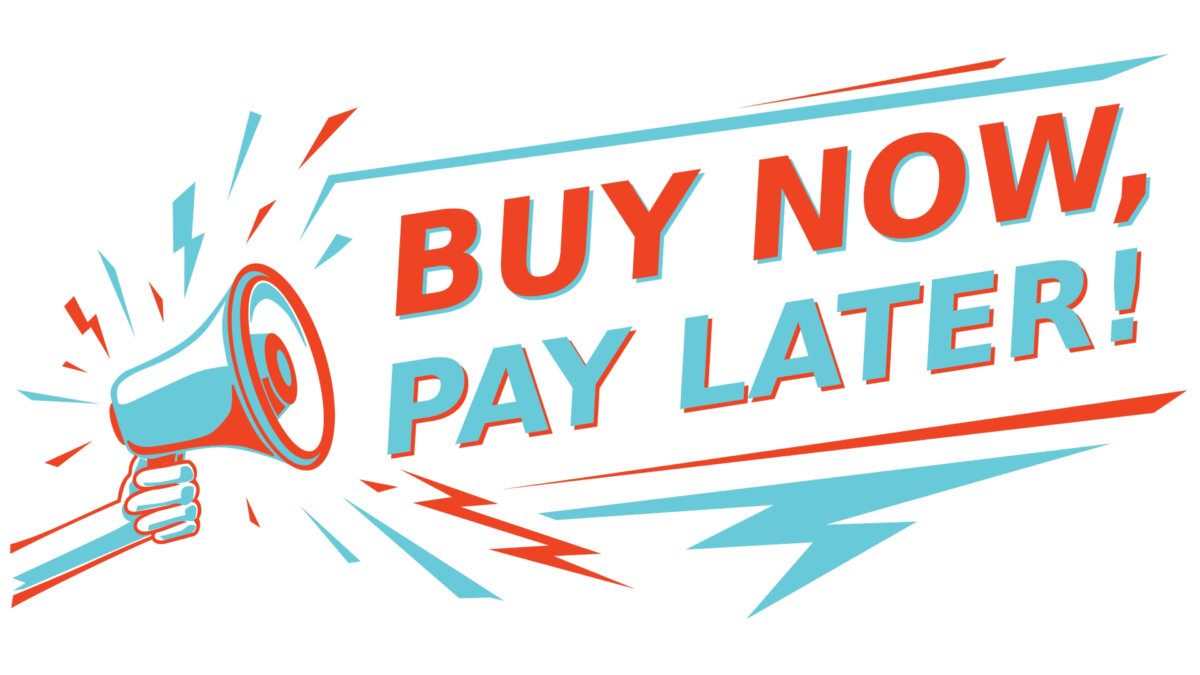
One of the more intriguing innovations of our time are these cash app tools you see people using at every store. These are deployed by people with limited liquidity but in need of groceries or clothing or whatever. The apps are amazing. You download on the spot, click a button or two to link your bank, and boom, there’s your money.
Zero interest. Or so they say, and they are technically correct. The interest comes in the form of high fees, which are not regulated. It’s a clever escape from financial controls. Fees are outside regulatory control.
I truly do appreciate the genius of these apps. They embody the creativity of the commercial sector. Entrepreneurs see a need and meet the demand. They are not at fault here for doing anything but seeing a profit opportunity and seizing on it.
One only wishes that this innovative spirit were not poured into a sector that creates financial dependence and disaster for people who can least afford it.
Credit card delinquencies have been rising for five years and are higher now than they were 10 years ago, though not yet as high as following the 2008 financial crisis. It’s no wonder: rates on revolving loans are a ridiculous 23 percent and higher. Total household and nonprofit liabilities just passed the $5 trillion mark.
Hard to resist giving financial advice here: never find yourself in a position of paying the minimum balance. That’s what they want you to do so that the money lenders can make money at your expense. The way to avoid this trap is to pay off your entire balance each month if you can. If it is possible, don’t buy it if you can put it off.
This is tough advice in times when every message out there is: borrow, borrow, borrow. There is a vast industry that lives off interest and fees and they need your financial irresponsibility to make profits. It’s just the way the financial and banking sectors are structured these days. There is more money to be made by feeding off profligacy than saving in the short term.
This has been true for the better part of a quarter century, such that two generations have gone by in which living off leverage has become the norm. Indeed, the banks have started to gamify this with constant notifications of how your credit score is performing. Young people look at this as some kind of reward in life.
Maybe it is or maybe it is not. The scores go up for those who borrow to the maximum but pay on time to keep the loan in performance mode. They do not reward thrift, as anyone knows who has not used any credit and remains confused why their credit scores are so low.
Actually, this score is rather useless to you unless you are applying for a mortgage or planning a car purchase on credit. Otherwise, there is no real reason to know. This is one more click you can avoid.
How should this work in a world of sound money and an ethic of thrift? Think back to the immediate postwar period and how this functioned. You go to individual stores as a regular customer. Management appreciates your business and is aware that you have the income to back it. They offer credit to you as a matter of convenience. Pick what you want and put it on your account. They send a monthly bill that you pay.
This evolved rather quickly into credit cards that were also location-based, until Visa, Mastercard, and American Express changed the industry entirely, offering to bear the risk and liabilities depending on credit checks and charging the stores that accept them at a premium. This really took off in the 1970s and 1980s, to the point that even those with low income started collecting cards.
This came to be dialed back with reforms following the 2008 crisis but that only drove the leveragers toward new financial innovations, anything to prod those who had no business borrowing into doing the wrong thing.
These days, credit offers are everywhere and always. Here’s your free money! Come and take what is yours! Spend more, more, more, on us! Why live less well than you have to?
Have you accumulated some equity in your house or business? Time to borrow against that. Never let an opportunity deploy leverage go to waste.
Look, I get it and would like to avoid high dudgeon here. Many people in tough times have no choice but to borrow. It’s not that they are merely living high on the hog, as they used to say. There are bills to pay, kids to feed, gas tanks to fill, and trips to take. The value of the dollar in terms of goods and services is down by half in a mere six years. That is a devastating devaluation that is particularly insidious because it is unacknowledged.
The ideal is the postwar practice: lenders should serve those who are low-risk payers as a means of providing convenience. The whole business of drafting low-income people into a hedonic treadmill is unseemly and made possible only by interventions that distort what the free market would otherwise require of borrowers. Those days are long gone but we are paying a heavy price as a result.
Pay attention to what is happening out there. The world today is filled with people begging you to borrow, not because it is in your best interest but because it is the lender’s interest. If at all possible, avoid taking this bait, get out of debt, and find your path to financial freedom. No, that doesn’t come by splitting your rent into multiple payments or linking your bank to pay your grocery bills, and paying for the privilege.
Views expressed in this article are the opinions of the author and do not necessarily reflect the views of The Epoch Times.
 Friends Read Free
Copy
Facebook
Tweet
Friends Read Free
Copy
Facebook
Tweet